
Keep You and Your RV Cool During Summer Trips
- RV Lifestyle
- Family Friendly
Summer is the perfect time to hit the open road in an RV rental, but the heat doesn't always cooperate. On very hot days, the temperature inside your RV can climb fast, turning your home-on-wheels into an uncomfortable sauna before you've even finished your first cup of camp coffee. The good news? Knowing how to keep your RV cool in summer doesn't require any special equipment or permanent modifications; just a handful of smart strategies that any renter can put to work from day one. Whether you're chasing coastlines or exploring canyon country, this guide has everything you need to stay comfortable all season long.
Understanding How Heat Builds Up in an RV
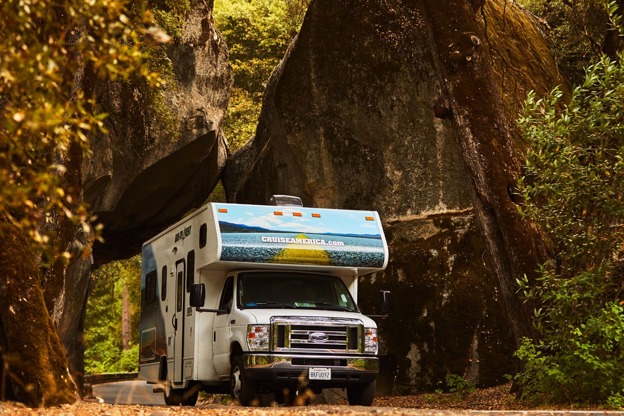
One of the biggest surprises for first-time RV renters is just how quickly the temperature inside an RV can rise. Unlike a house with thick walls, attic space, and insulation built up over time, most RVs have relatively thin walls and large windows that let direct sunlight pour straight into the interior. Park in the wrong spot on a hot summer day, and the heat inside can easily exceed the outdoor temperature by 20 degrees or more within an hour.
Your Cruise America RV rental comes equipped with a rooftop AC unit, which is great, but it helps to understand what it can and can't do. Under normal conditions, your RV air conditioner can only cool the air to about 16–22°F below the outside temperature. That means if it's 100°F outside, the best you can realistically expect from your AC is somewhere around 78–84°F inside. On very hot days, that gap matters a lot, which is why managing heat buildup from the start is just as important as cranking the air conditioning once you're already sweltering.
The key is to think of cooling in two stages: keeping heat out and moving warm air out. Block enough sunlight, create enough airflow, and your AC unit has a fighting chance. Skip those steps, and even a perfectly functioning cooling system will struggle to keep up.
Choose Your Destination and Travel Timing Wisely
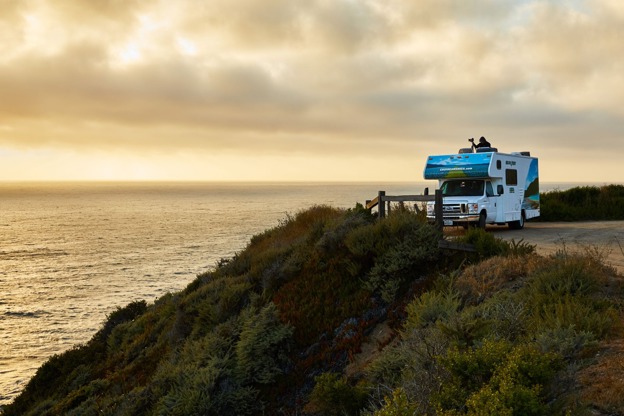
One of the easiest ways to keep your RV cool is to make smart choices before you even leave the driveway. Where you go and when you travel has a huge difference on how hard your cooling system has to work throughout the trip.
Head North or Climb Higher
If you have flexibility in your destination, consider routing your summer trip toward cooler climates. Northern states like Montana, Idaho, Oregon, and Michigan tend to have much milder summers than their southern counterparts. Elevation is another powerful tool, even in the middle of an Arizona summer, destinations like the North Rim of the Grand Canyon can run 25–30°F cooler than Phoenix down in the valley. That's a difference you'll feel the moment you step outside.
Time Your Driving to Avoid Peak Heat
The hottest parts of the day typically fall between noon and 4 PM. If possible, do your driving in the morning or early evening and plan to be parked and set up before temperatures rise. This also means your AC isn't competing with a superheated cab while you're on the move.
Here's a quick comparison of how destination choice can affect your comfort level:
|
Destination Type |
Avg. Summer High |
AC Workload |
|
Desert Southwest (e.g. Phoenix, Las Vegas) |
105–115°F |
Very High |
|
Southeast (e.g. Orlando, Houston) |
90–95°F + humidity |
High |
|
Pacific Northwest (e.g. Portland, Seattle) |
75–85°F |
Low–Moderate |
|
Northern Rockies (e.g. Glacier, Yellowstone) |
70–80°F |
Low |
|
High Elevation (8,000+ ft) |
65–75°F |
Very Low |
Destinations to Think Twice About in Peak Summer
Some of the most popular RV destinations are also the most punishing in July and August. That doesn't mean you should avoid them altogether, but it's worth planning around the heat if you go:
-
Death Valley, CA — Regularly the hottest place in the country
-
Phoenix & Tucson, AZ — Triple digits are the norm from June through September
-
Las Vegas, NV — Extreme dry heat with very little natural shade at most campgrounds
-
Gulf Coast states — High humidity makes warm air feel significantly hotter than the thermometer reads
How to Position Your RV at the Campsite
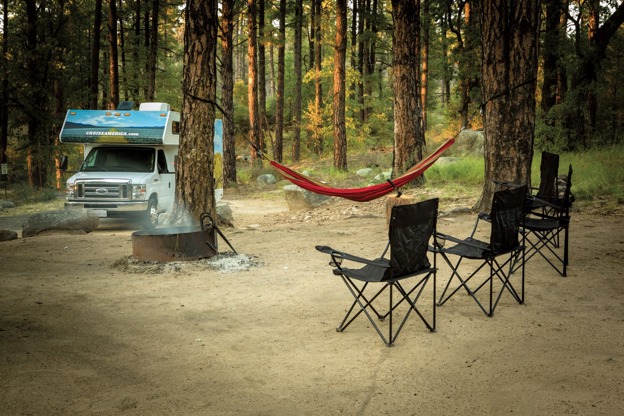
Where you park and how you angle your rig at the campsite is one of the most overlooked cooling strategies, and it costs you nothing. A few minutes of thoughtful positioning when you pull in can make a significant difference in how cool your RV stays throughout the day.
Seek Out Natural Shade First
Before anything else, scan the campsite for natural shade. Trees on the western side of your parking spot are the most valuable, as they'll block the intense afternoon sun that does the most damage to your interior temperature. Morning sun from the east is generally less intense and shorter-lived, so don't stress as much about that side. If you have a choice between two sites, always pick the one with afternoon shade.
Orient Your RV Strategically
Once you've chosen your spot, think about which direction your RV faces. Here's a simple guide to use when you pull in:
|
RV Side/Face |
Best Orientation |
Why It Matters |
|
Windshield |
Avoid facing south or west |
Glass offers little insulation against direct sunlight |
|
Entry door & awning |
Face north or east |
Keeps your living space shaded during peak hours |
|
Longest side wall |
Face away from afternoon sun |
Reduces the largest surface area exposed to heat |
|
Roof vents |
Position toward prevailing breeze |
Improves natural airflow and ventilation |
Catch the Breeze
In the United States, prevailing winds generally move from west to east. Check the local weather conditions for your campsite and try to position your RV so that open windows and roof vents are facing into the wind. Even a modest breeze can dramatically improve air circulation inside your rig, reducing how much you need to lean on the AC unit to stay comfortable.
Airflow Optimization: Fans, Vents, and Cross-Ventilation
Even with a solid campsite position locked in, you'll still need to actively manage the air inside your RV to stay comfortable. The goal is simple: push hot air out and pull cool air in. When done right, good airflow can drop the felt temperature inside your RV by a few degrees without touching the AC, and it makes your cooling system work far more efficiently when you do run it.
The Open-at-Night, Close-in-the-Morning Rule
This is one of the simplest and most effective tricks for keeping an RV cool in summer. As temperatures drop in the evening, open your windows and roof vents to flush out the warm air that's built up during the day and let fresh air fill the space. Then, before the sun rises and outdoor temperatures start climbing again, close everything up. You're essentially trapping the cool overnight air inside before the heat has a chance to sneak back in.
Use Two Fans to Create Directional Airflow
A single fan helps, but two fans working together can create genuine cross-ventilation that moves air through the entire RV rather than just stirring it around. Here's how to set it up:
|
Fan Position |
Direction |
Purpose |
|
Window on the shaded/cooler side |
Facing inward |
Pulls cool air into the RV |
|
Window on the sunny/warmer side |
Facing outward |
Pushes hot air out of the RV |
|
Near the ceiling or roof vent |
Facing outward |
Expels rising warm air from the top of the space |
Portable fans are inexpensive, easy to pack, and one of the highest-return investments you can make for a summer RV trip. If you're shopping before your rental, look for 12-volt fans designed for RV use, they're more energy efficient than standard household fans and won't draw as much power from your system.
Make the Most of Your Roof Vents
Most RVs come with at least one or two roof vents, and they're more useful than many renters realize. Hot air naturally rises, so opening a roof vent gives that warm air a direct escape route out of the top of your RV. If you're parked somewhere with a breeze, a roof vent on the downwind side of the RV will actively pull air through the interior as long as windows are open on the upwind side. This creates a natural chimney effect that keeps fresh air moving through the whole space.
Vent covers, which allow vents to stay open even during light rain, are a worthwhile addition if you're doing extended summer camping. They're inexpensive and easy to find at any camping supply store.
Tips for Maximizing Cool Air on Stuffy Days
On days when there's little to no breeze, you'll need to work a bit harder to create airflow. A few things that help:
-
Place a bowl of ice in front of a fan to drop the air temperature slightly as it circulates
-
Keep interior doors open so air can move freely from one end of the RV to the other
-
Avoid blocking vents or windows with gear, bags, or bedding
-
Run the bathroom exhaust fan to help pull warm air up and out
-
Open windows on opposite ends of the RV rather than side by side for better cross-ventilation
How to Block the Sun Before It Becomes Heat
Airflow helps move heat out, but the most efficient thing you can do is stop heat from getting in to begin with. Direct sunlight passing through your RV's windows is one of the fastest ways the interior temperature climbs, and on a bright summer day, unprotected glass essentially acts like a magnifying lens. The good news is that blocking sun exposure is one of the easiest areas for renters to take action, since everything here is portable and requires no modifications to the vehicle.
Reflective Window Covers
Reflective window covers are the single most effective portable tool for blocking sunlight and reducing heat inside your RV. They work by reflecting the sun's radiant energy away from the glass before it can convert to heat inside the cabin. Quality reflective insulation can reflect up to 97% of the sun's radiant energy, making a dramatic difference on very hot days. Cut-to-fit reflective insulation panels from any home improvement store work well, or you can find RV-specific versions online before your trip.
Focus your coverage on these areas first:
-
Windshield — the largest single pane of glass and the biggest heat entry point
-
Side windows facing south or west — these catch the most intense afternoon sun
-
Skylights and roof windows — often forgotten but highly effective when covered
-
Cab windows — the front cab area heats up fast and bleeds warmth into the living space
Blackout Curtains and Thermal Blinds
Most Cruise America RVs come with standard curtains, but if you want to upgrade your comfort level, bringing along a set of blackout curtains or thermal blinds for the main living area windows can make a real difference. Unlike standard curtains, these are designed to block light and insulate against heat transfer. They're lightweight, easy to pack, and can be hung with simple clips or tension rods without damaging anything in the rental.
A Simple Comparison of Window Treatment Options
|
Treatment Type |
Heat Blocking |
Ease of Use for Renters |
Cost |
|
Reflective window covers |
Excellent |
Very easy — no installation |
$15–$40 |
|
Blackout/thermal curtains |
Good |
Easy — clips or tension rods |
$20–$60 |
|
Standard RV curtains (included) |
Fair |
Already installed |
Free |
|
Reflective tarps (exterior) |
Excellent |
Moderate — requires setup |
$10–$30 |
Don't Forget the Exterior
Blocking sunlight from outside the RV is even more effective than dealing with it once it's already hit the glass. If your campsite lacks natural shade, a reflective tarp rigged on the sunny side of the RV creates a shaded buffer that keeps the exterior wall cooler and reduces heat transfer into the interior. Secure one side to the top of the RV and stake the other side to the ground at an angle to create a triangular shade sail. Tree-friendly wide nylon straps are the way to go if you're tying off to any nearby trees.
Keep Cooking and Heat Sources Outside
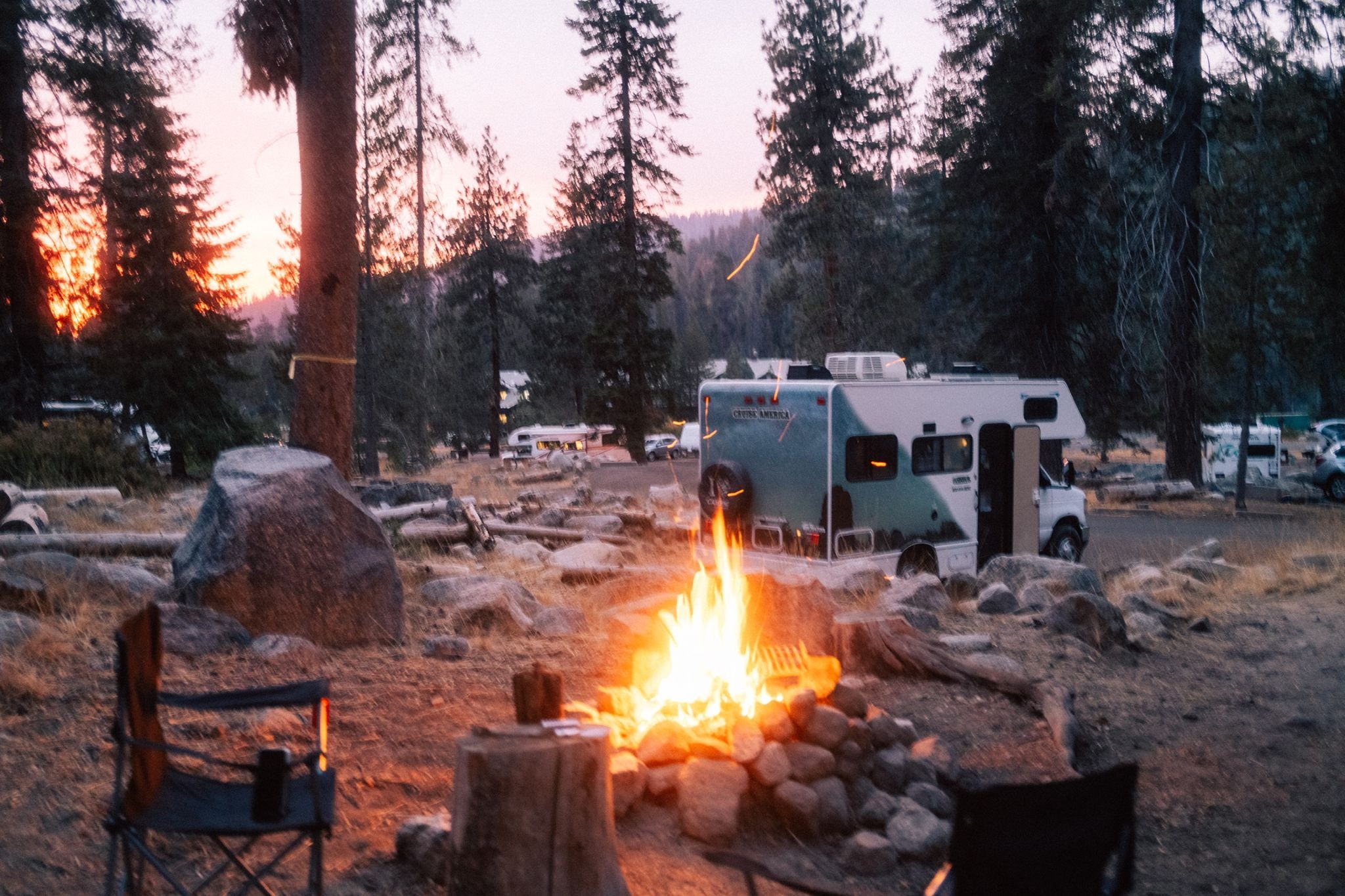
Most people don't realize how much heat-generating appliances add to the temperature inside an RV. Your stove, oven, microwave, coffee maker, laptop, and even your lights all release heat into a small, enclosed space, and on a hot summer day, that adds up fast. Being intentional about what you run inside the RV, and when, is one of the simplest ways to keep your cooling system from being overwhelmed before the day even peaks.
Cook Outdoors as Much as Possible
Running a stove or oven inside your RV on a hot day is one of the quickest ways to spike the interior temperature. Even a 20-minute cooking session can raise the temperature inside by several degrees and force your AC unit to work significantly harder to compensate. The fix is simple, take the cooking outside whenever you can.
A few outdoor cooking setups that work great for RV renters:
-
Portable camp stove — lightweight, inexpensive, and keeps all the heat outside where it belongs
-
Charcoal or propane grill — great for dinners and adds to the campfire atmosphere
-
Campfire cooking — a classic option that doubles as evening entertainment
-
No-cook meals — sandwiches, wraps, salads, and charcuterie boards require zero heat and are perfect for lunch on hot days
Turn Off What You're Not Using
Beyond cooking, everyday electronics and lighting contribute more heat buildup than most people expect. TVs, laptops, gaming devices, and phone chargers all generate heat when they're running, and in a compact RV interior, that warmth has nowhere to go. A few habits that make a real difference:
-
Turn off lights in rooms or areas of the RV you're not actively using
-
Unplug chargers and devices when they're not in use — they generate heat even on standby
-
Keep TV and screen time to evenings when outdoor temps have dropped
-
If kids are watching a tablet or gaming, position them near an open vent or fan
Switch to LED Lights if You Haven't Already
Most modern Cruise America RVs are already equipped with LED lights, but it's worth knowing why this matters for summer cooling. Traditional incandescent bulbs convert a large portion of their energy into heat rather than light, LEDs produce a fraction of that heat while using significantly less electricity. If your rental has any older incandescent bulbs, switching to LEDs is an energy-efficient upgrade that quietly helps keep the interior a few degrees cooler over the course of a full day.
The Heat Load of Common RV Appliances
To put it in perspective, here's a rough look at how much heat common RV appliances add to your interior:
|
Appliance |
Heat Output |
Recommendation |
|
Oven/stovetop |
Very High |
Move cooking outside on hot days |
|
Microwave |
Moderate |
Better than stovetop; use briefly |
|
Coffee maker |
Low–Moderate |
Use in the morning before peak heat |
|
Laptop/tablet |
Low |
Keep near ventilation when running |
|
Incandescent bulbs |
Moderate (cumulative) |
Switch to LEDs where possible |
|
LED lights |
Very Low |
Best option for summer camping |
|
TV (large screen) |
Moderate |
Limit use during the hottest parts of the day |
|
Phone chargers |
Very Low |
Unplug when not actively charging |
Making the Most of Your RV's Air Conditioning
Your Cruise America RV rental comes equipped with a rooftop AC unit, and when used correctly, it's a genuinely effective tool for staying comfortable in the summer heat. The keyword there is "correctly." A lot of renters unknowingly reduce their AC's effectiveness through a few simple habits that are easy to fix once you know about them.
Understand What Your RV AC Can Realistically Do
As we covered earlier, an RV air conditioner can typically cool the interior air to about 16–22°F below the outside temperature. On a mild summer day, that's plenty. On very hot days when temperatures climb above 100°F, that limitation becomes noticeable. This is exactly why all the other strategies in this guide matter; the less heat that gets into the RV in the first place, the more effective your AC unit will be at keeping you comfortable.
Cruise America RVs are equipped with rooftop units rather than window units or portable AC units, which is actually a significant advantage. Rooftop units are more powerful, don't block any windows, and distribute cool air more evenly throughout the living space. They do draw from your power supply, however, so understanding how to run them efficiently is important.
Keep the AC Filters Clean
This is the single most impactful maintenance task a renter can do, and it takes less than five minutes. Dirty filters restrict airflow through the unit, force the system to work harder, and dramatically reduce cooling efficiency. On a long summer rental, plan to check and clean the filters every few days, especially if you're traveling through dusty areas.
Here's how to clean your RV AC filter:
-
Locate the filter panel on the interior ceiling unit (it typically unclips or slides out without any tools)
-
Tap the filter gently to dislodge loose dust, or rinse under warm running water
-
Allow the filter to dry completely before reinserting (a wet filter restricts airflow just as much as a dirty one)
-
Never run the AC without the filter in place
Run the AC Efficiently
Getting the most out of your air conditioning comes down to a few simple habits that help the unit maintain cool air without constantly fighting against heat entry:
-
Keep doors and windows closed when the AC is running. Every time the door opens, cool air escapes, and hot air rushes in
-
Pre-cool the RV before peak heat. If you're heading out for a morning hike, run the AC for 30–45 minutes before you leave so the interior is already cool when you return
-
Use fans alongside the AC to distribute cold air more evenly throughout the space, rather than letting it pool near the ceiling unit
-
Close off areas you're not using. If everyone is in the living area, keep the bedroom curtain drawn to concentrate cooling where it's needed most
-
Set a consistent temperature rather than cranking the AC to max and then turning it off repeatedly; steady operation is more efficient and easier on the unit
The Shared Fuel Tank: What Every Renter Needs to Know
This is one of the most important and least discussed aspects of RV cooling for Cruise America renters. Your RV's generator, which powers the AC when you're not hooked up to shore power at a campsite, draws from the same fuel tank as the engine. That means running the generator to keep cool air going will consume fuel, which also affects how far you can drive.
A few key rules to keep in mind:
-
Never let the fuel tank drop below ¼ full: The generator will shut off automatically before the tank is completely empty to protect the engine, but running low on fuel in a remote area is a serious inconvenience
-
Hook up to shore power at your campsite whenever it's available: This is the most energy-efficient way to run your AC and preserves your fuel for driving
-
Monitor generator run time: Extended generator use burns fuel faster than driving; factor this into your refueling schedule on hot days when you're running AC frequently
Shore Power vs. Generator: A Quick Comparison
|
Power Source |
Best For |
Fuel Impact |
Noise Level |
|
Shore power hookup |
Stationary camping at full-hookup sites |
None |
Silent |
|
Generator |
Boondocking or dry camping |
Draws from main fuel tank |
Moderate |
|
Driving with engine running |
Cooling while in transit |
Normal fuel consumption |
None |
Personal Cooling Strategies That Work Anywhere

Keeping the RV cool is important, but keeping yourself cool is equally critical, especially on very hot days when the temperature inside is still warmer than ideal. These personal cooling strategies require no special equipment, they work regardless of where you're camped, and are particularly important if you're traveling with children or older adults who may be more vulnerable to heat-related illness.
Stay Ahead of Hydration
Dehydration sneaks up on people faster than most expect, especially when you're active outdoors and sweating in the summer heat. By the time you feel thirsty, your body is already mildly dehydrated. Make it a habit to drink water consistently throughout the day rather than waiting until you feel like you need it. A good rule of thumb in hot weather is at least half an ounce of water per pound of body weight per day (more if you're hiking or being physically active).
A few hydration tips for the whole family on a summer RV trip:
-
Keep a reusable water bottle for every traveler and refill it regularly
-
Pack electrolyte drinks or tablets for days with heavy outdoor activity
-
Avoid excessive caffeine and alcohol, both of which accelerate dehydration
-
Keep an eye on children and elderly travelers, as they're less likely to recognize early signs of heat exhaustion
Time Your Outdoor Activities Wisely
On hot days, the sun exposure between 10 AM and 4 PM is the most intense and the most draining. Structure your day around this reality rather than fighting it:
|
Time of Day |
Temperature |
Best Activities |
|
Early morning (6–10 AM) |
Coolest |
Hiking, exploring, sightseeing |
|
Midday (10 AM–2 PM) |
Hottest |
Pool, indoor activities, rest in RV |
|
Afternoon (2–4 PM) |
Very hot |
Water activities, shaded areas only |
|
Evening (after 6 PM) |
Cooling down |
Outdoor dining, campfire, walks |
Personal Cooling Gear Worth Packing
A few inexpensive items can make staying cool significantly easier throughout the day, whether you're inside the RV or out exploring:
-
Cooling towels: Soak in cold water, wring out, and drape around your neck for instant relief; they stay cool for hours through evaporation
-
Misting fan: A small handheld fan with a water misting function is a great tool for kids and adults alike during outdoor activities
-
Portable battery-powered fan: Useful both inside the RV and outside at the picnic table in the evening
-
UV-protective clothing and wide-brimmed hats: Reducing direct sun exposure on your skin dramatically reduces how hot you feel
-
Sunscreen: Reapply every two hours with a broad-spectrum SPF 30 or higher; sunburn makes your body retain heat and feel significantly warmer
The Roof Spray Trick
Spraying the roof of your RV with water from a garden hose can drop the exterior surface temperature by up to 10 degrees in under a minute. As the water evaporates, it pulls heat away from the roof surface, which is one of the largest heat-absorbing areas on the vehicle. If your campsite has a water hookup, this is a quick and satisfying way to give your cooling system a helping hand on the hottest parts of the day. Just make sure the water pressure is gentle enough not to disturb any roof seals or vents.
Don't Underestimate a Cool Shower
Your Cruise America RV has a fully functional shower, and a cool (not necessarily cold) shower in the afternoon is one of the most effective ways to reset your body temperature quickly. It lowers your core temperature, washes away sweat, and makes the rest of the afternoon feel far more manageable.
Heat Safety: Know the Warning Signs
Especially on very hot days, it's important for everyone in the group to know the difference between general discomfort and genuine heat-related illness. Watch for these warning signs in yourself and your travel companions:
-
Heat exhaustion: Heavy sweating, weakness, cold or pale skin, fast or weak pulse, nausea
-
Heat stroke: High body temperature (103°F+), hot and red skin, rapid pulse, confusion or loss of consciousness (this is a medical emergency requiring immediate attention)
-
Children, elderly travelers, and pets are at higher risk and should be monitored closely during very hot days
Quick-Reference Summer Cooling Checklist
Use this checklist on your summer trip to make sure you're set up for maximum comfort from the moment you pick up your rental to the moment you pull back in. Save it, screenshot it, or bookmark this page before you hit the road.
Before You Leave Home
-
Research your destination's average summer temperatures and plan accordingly
-
Pack reflective window covers for the windshield and main windows
-
Bring at least two portable fans for cross-ventilation
-
Pack cooling towels, sunscreen (SPF 30+), and wide-brimmed hats for the whole group
-
Pre-chill food and drinks before loading them into the RV refrigerator
-
Download a weather app to monitor temperatures and wind patterns at your destination
-
Plan a camping meal menu that favors outdoor cooking and no-cook options
When You Pick Up Your Rental
-
Locate the AC filter panel and check the filter condition before you drive away
-
Confirm the rooftop AC unit is functioning properly
-
Familiarize yourself with the generator controls and fuel gauge
-
Check that roof vents open and close properly
-
Note the location of window curtains and how to operate them
At the Campsite: When You Arrive
-
Assess afternoon shade before choosing or setting up at your site
-
Position the RV with the windshield away from the south or west-facing sun
-
Deploy the awning on the sunniest side of the RV
-
Rig a tarp for extra shade if natural shade is limited
-
Hook up to shore power if a full-hookup site is available
-
Set up portable fans for cross-ventilation before it gets hot
Each Morning
-
Close all windows and roof vents before outdoor temperatures start rising
-
Apply reflective window covers to sun-facing windows
-
Draw curtains or thermal blinds on the south and west-facing sides
-
Check and clean the AC filter if it's been three or more days
-
Pre-cool the RV interior before heading out for the day
-
Fill water bottles for the whole group before leaving the campsite
During the Day
-
Keep doors and windows closed while the AC is running
-
Cook outdoors or prepare no-cook meals to avoid indoor heat buildup
-
Turn off lights, chargers, and electronics not in use
-
Monitor fuel levels if running the generator for AC power
-
Check on children and elderly travelers for signs of heat exhaustion
-
Spray the roof with water during the hottest parts of the day if a hookup is available
Each Evening
-
Open windows and roof vents after sunset to flush out warm air
-
Set up fans to pull cool fresh air in overnight
-
Remove or loosen reflective window covers to allow evening airflow
-
Refuel if the tank is approaching the ¼ full mark
-
Check the weather forecast for the next day and adjust your plan accordingly
Keep Your Summer Cool With a Cruise America RV Rental
Summer RV travel is one of the best ways to explore the country with the people you love — and with the right preparation, the heat doesn't have to get in the way. Every tip in this guide works together to keep your rental comfortable no matter how high the temperature climbs outside. All that's left is to pick your destination and hit the road.
Ready to get started? Find your nearest Cruise America location and book your summer RV rental today.