The Most Iconic Route 66 Signs You Can Still See
- Family Friendly
- Road Trip
Few highways in the United States are as instantly recognizable as Route 66, and much of that recognition comes from its signs. From weathered highway shields to glowing neon marquees, Route 66 signs serve as visual reminders of a time when the road itself was part of the adventure. Long after the interstate system replaced much of the original route, these signs continue to stand as markers of America’s most celebrated road trip.
Traveling the historic route today feels less like following a single road and more like tracing a story across states. Each sign points not only in a direction, but back in time—toward roadside motels, diners, gas stations, and small towns that once thrived along US 66. In places like California, Arizona, and New Mexico, these signs remain embedded in the landscape, shaped by decades of weather, sun, and travel.
What makes these signs especially meaningful is that many weren’t designed to last forever. Exposure to the elements, from desert heat to winter storms, has left its mark through fading paint, surface abrasion, and rust. Yet that wear is part of their appeal. The signs tell a story of endurance—of countless cars passing by, of families stopping for photos, and of businesses that once relied on the steady flow of travelers along the route.
Today, Route 66 functions as a living museum rather than a fast or easy drive. Signs appear unexpectedly along quiet stretches of road, in town centers, or just beyond the main route, rewarding travelers who slow down and explore. Whether you’re planning a full Route 66 journey or simply adding a short detour to your trip, these signs invite you to step out of your car, take a closer look, and connect with the life and history that still stand along the Mother Road.
The Evolution of Route 66 Signage
The story of Route 66 signs closely mirrors the evolution of American road travel itself. When Route 66 was officially designated in 1926, signage wasn’t designed for nostalgia or photo opportunities—it was purely functional. Over time, those utilitarian markers became cultural symbols tied to freedom, movement, and the open road.
Early Signage on the Historic Route
In the early years, signs along the historic route were simple and standardized. Their main purpose was to guide drivers across long stretches of road where towns were few and directions mattered.
-
Early Route 66 signs were often:
-
Painted directly onto buildings or roadside posts
-
Mounted on metal plates or wooden markers
-
Installed by individual states rather than a single national authority
-
Variations in design depended on:
-
State regulations
-
Available materials
-
Local interpretation of the route’s identity
This lack of uniformity is why travelers today may see multiple styles of signs—even within the same state.
The Rise of Iconic Route 66 Shields
As car travel increased, recognizable branding became more important. The now-famous highway shield helped drivers quickly identify the route while reinforcing its growing identity.
-
The Route 66 shield:
-
Made navigation easier at higher speeds
-
Became a visual shorthand for long-distance travel
-
Was reproduced in different sizes and materials
-
Over the years, shields were affected by:
-
Weather exposure
-
Road debris and abrasion
-
Replacement or removal as roads were rerouted
Many original shields disappeared as highways were upgraded, but some survived—or were later restored—to preserve the character of US 66.
Neon, Paint, and Personality
By the mid-20th century, signage along the route shifted from purely directional to attention-grabbing. Businesses relied on signs to pull drivers off the road and into towns.
-
Common sign styles that emerged:
-
Neon motel and diner signs
-
Hand-painted roadside markers
-
Large roadside signs designed for fast-moving cars
-
These signs weren’t just advertisements—they reflected:
-
Local pride
-
Regional design trends
-
The personality of each stop along the route
Preservation and What You See Today
As interstates replaced much of the original road, many signs fell into disrepair or were removed entirely. However, preservation efforts have helped keep a meaningful quantity of original and recreated signs visible today.
-
What travelers see now includes:
-
Original signs still standing in place
-
Restored signage returned to former locations
-
Reproductions added to highlight the route’s history
-
States like Arizona, New Mexico, and California have played a major role in keeping Route 66 signage visible for modern road trips
Each sign—whether original or restored—adds another layer to the story of the route, helping travelers understand how the road evolved over the years and why it still captures the imagination.
Neon Signs Along the Mother Road
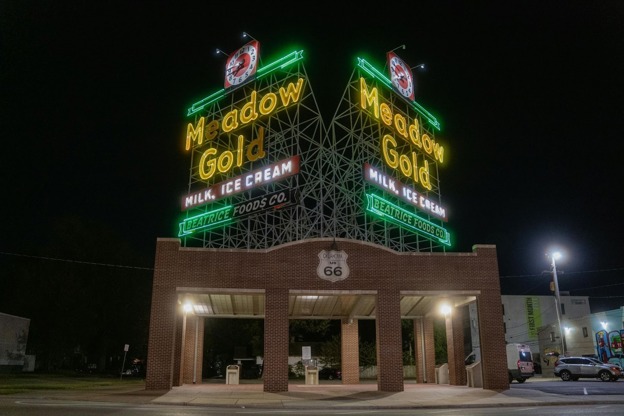
If Route 66 has a nighttime personality, neon signs are at the heart of it. During the mid-20th century, glowing signs became essential for roadside businesses competing for attention from passing cars. Today, these illuminated markers remain some of the most visually striking Route 66 signs, especially after sunset.
The Golden Age of Neon on Route 66
As car travel increased, businesses along the route needed a way to stand out—day and night.
-
Neon signs became popular because they:
-
Were visible from a distance
-
Caught the eye of fast-moving traffic
-
Added color and personality to the road
-
Motels, diners, and service stations used neon to:
-
Signal availability
-
Promote comfort and convenience
-
Create a memorable visual identity
These signs helped define the character of the historic route, transforming long drives into lively nighttime experiences.
Why Neon Became Part of Route 66’s Identity
Neon signage wasn’t just practical—it became emotional.
-
For travelers, neon signs represented:
-
Rest after a long day on the road
-
Food, shelter, and human connection
-
Progress toward the next stop
-
For towns, they symbolized:
-
Economic life along the route
-
Pride in welcoming travelers
-
A modern image during a rapidly changing era
Even today, neon signs evoke a sense of nostalgia tied directly to the life and rhythm of Route 66 travel.
How Social Media Helps You Find Route 66 Roadside Signs
While Route 66 is rooted in history, modern travelers are increasingly using social media to uncover its most iconic and hard-to-find signs. Platforms like Instagram and Facebook have become informal guidebooks, helping travelers locate Route 66 signs that might otherwise be easy to miss when driving the route.
Why Travelers Share Route 66 Signs Online
Route 66 signage is highly visual, making it a natural fit for photo-driven platforms.
-
Travelers often post photos of signs because they:
-
Capture the nostalgia of the historic route
-
Mark progress along the journey
-
Showcase unique roadside discoveries
-
Many posts highlight:
-
Painted road shields
-
Neon motel signs at night
-
Faded or hand-painted markers in small towns
Over time, this shared content creates a growing archive of visual information that helps others plan their own stops.
Using Location Tags and Hashtags
Social media makes it easier to pinpoint where signs are located, especially when posts include location data.
-
Helpful ways to search include:
-
Browsing location tags for towns along Route 66
-
Searching hashtags related to the route and specific states
-
Towns like Winslow, Cuba, and Galena often appear in tagged posts, giving travelers a clear view of what signs are still standing and easy to access
This approach is especially useful for finding signs that aren’t marked on maps or official guides.
Discovering Lesser-Known Signs
One of the biggest advantages of social media is exposure to signs that aren’t widely documented.
-
Posts may reveal:
-
Newly restored signs
-
Temporary installations or murals
-
Older signs that don’t appear in guidebooks
-
Travelers can:
-
Add these stops to their route
-
Adjust planning based on what others have recently seen
-
Decide whether a short detour is worth the time
This creates a more flexible and personalized road trip experience.
Iconic Route 66 Roadside Signs You Can Still See Today
Route 66 is home to hundreds of signs, but only a select group have become true icons—recognized for their history, design, and continued presence along the road. These signs represent different eras of Route 66 travel, from early route markers to neon-lit motels and quirky roadside businesses.
Eye-Opening Gas Station Signs
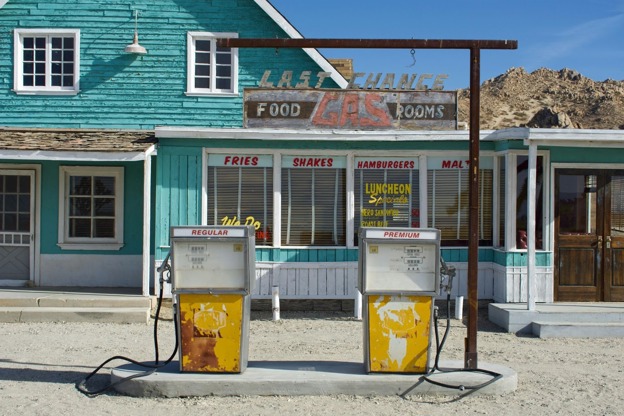
Gas station signs once signaled safety, fuel, and relief after long stretches of road. Many remain standing today.
-
Tower Conoco Sign
A towering Art Deco–style sign attached to one of Route 66’s most famous service stations. -
Texaco Star Sign – Hackberry General Store
A classic Texaco star rising above a restored roadside stop. -
Phillips 66 Gas Sign
A preserved Phillips 66 sign reflecting mid-century travel branding. -
Magnolia Gas Station Sign
A vintage Magnolia sign near a historic gas station and tourist stop. -
Standard Oil Gas Sign
A restored sign marking one of Illinois’ best-preserved Route 66 service stations.
Unforgettable Neon Motel Signs
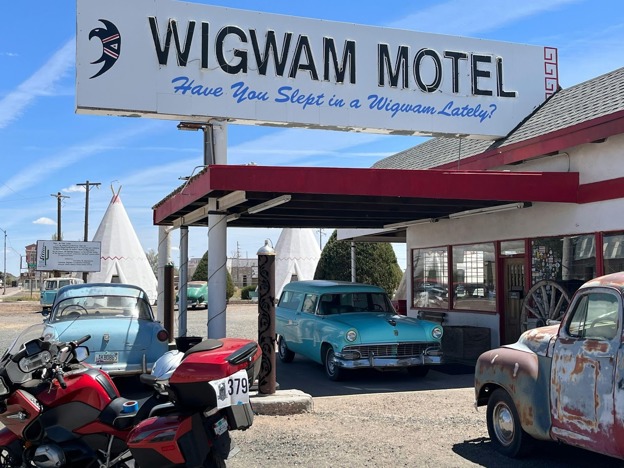
Neon motel signs defined nighttime travel on Route 66 and remain some of the most nostalgic sights on the road.
-
Blue Swallow Motel Neon Sign
One of the best-preserved neon motel signs, still lit nightly. -
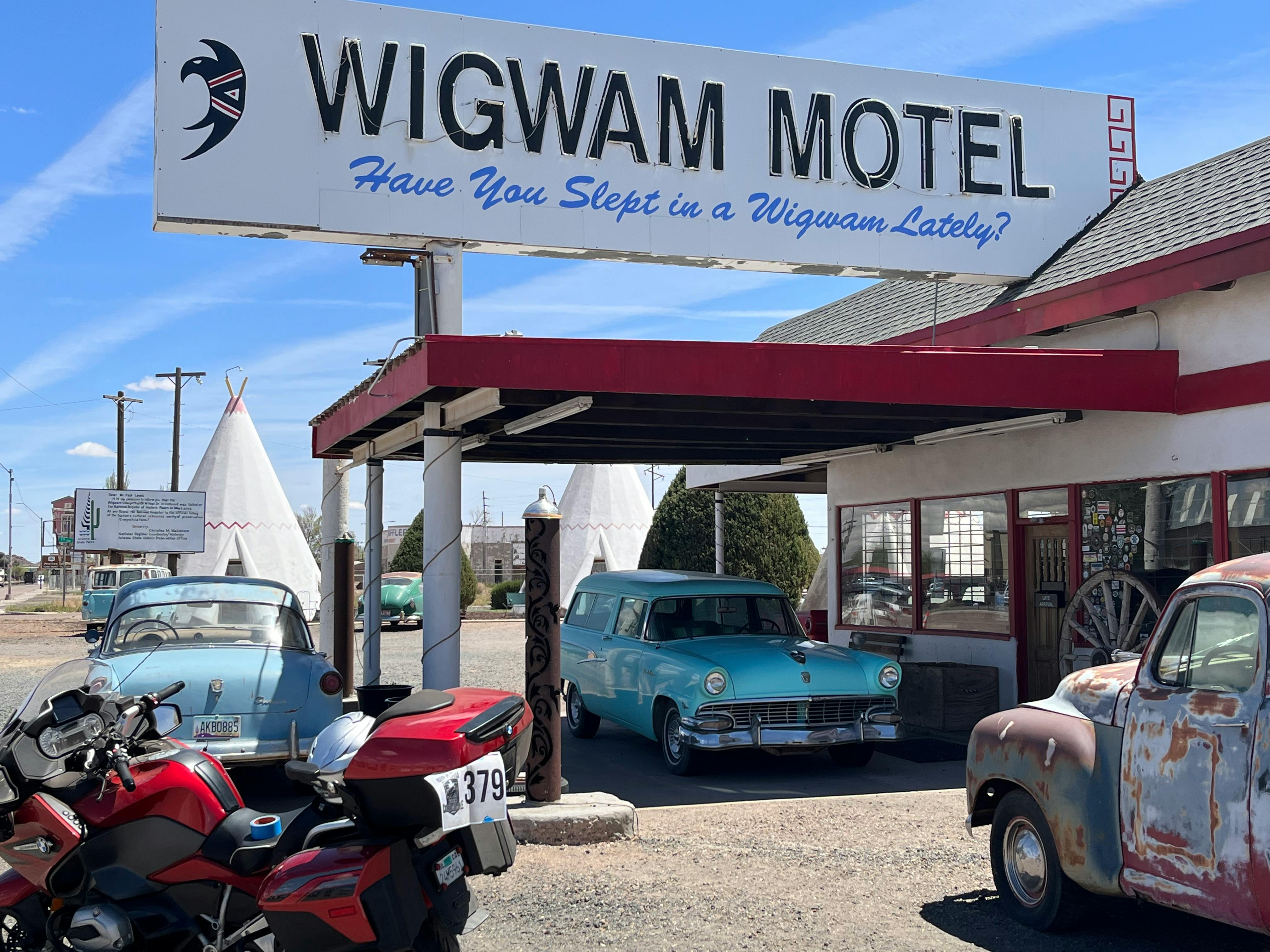
Wigwam Motel Neon Sign
A world-famous sign marking the teepee-shaped Wigwam Motel. -
El Rancho Hotel Neon Sign
A historic neon sign tied to Hollywood’s Route 66 era. -
Munger Moss Motel Neon Sign
A classic green-and-pink neon sign that has guided travelers for decades. -
Safari Motel Neon Sign
A restored neon sign showcasing bold mid-century design.
Classic Diner Signs
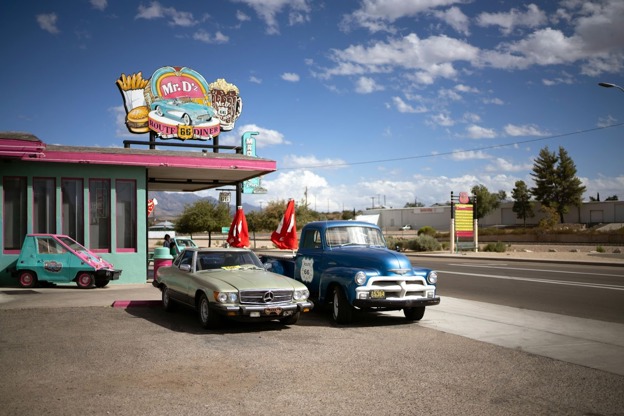
Diner signs promised comfort, food, and rest—and many still do today.
-
Delgadillo’s Snow Cap Drive-In Sign
A playful, hand-built sign reflecting Route 66’s quirky spirit. -
Mr. D’z Route 66 Diner Sign
A retro diner sign popular with classic car travelers. -
Lou Mitchell’s Diner Sign
A traditional starting-point diner for many Route 66 journeys. -
Midpoint Café Sign
A famous sign marking the halfway point of the route. -
Cozy Dog Drive-In Sign
A nostalgic diner sign tied to Route 66 food culture.
Quirky General Store & Roadside Business Signs
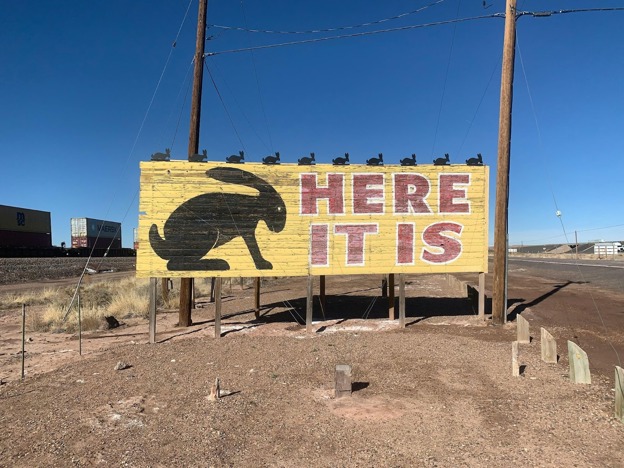
Some of the most memorable Route 66 signs belong to businesses that thrived on curiosity and character.
-
Cool Springs Station Sign
A restored sign marking a remote desert service stop. -
Route 66 Trading Post Sign
A landmark sign tied to one of the longest-operating roadside businesses. -
Jack Rabbit Trading Post Sign
A famous roadside sign encouraging travelers to “Here It Is.” -
U-Drop Inn Café Sign
An Art Deco landmark sign that remains a symbol of Route 66 architecture.
Ready to See Route 66 Like Never Before?
If you’re planning a Route 66 road trip, an RV rental from Cruise America makes it easy to explore the historic route on your terms, with room to stop, stay, and soak in the story behind every sign.