How to Plan a No-Interstate Road Trip
- Road Trip
- get inspired
There’s a reason so many travelers are starting to rethink how they approach a road trip. While the interstate highway system was designed for speed and efficiency, it often comes at the cost of experience. Long stretches of interstate highways can feel repetitive — the same exits, the same chain restaurants, the same predictable scenery mile after mile.
A no-interstate road trip flips that experience entirely.
Instead of racing from one destination to the next, you trade speed for discovery. You move through small towns, scenic countryside, and lesser-known routes where the journey itself becomes the highlight. You begin to notice things you would have otherwise missed — local diners, roadside attractions, farmers markets, and interesting sights that never appear from the fast lane.
This slower style of travel isn’t about covering the most miles in the shortest time. It’s about creating a more meaningful journey — one where you can take a break when something catches your eye, explore a town you’ve never heard of, or simply enjoy the open road without the pressure of constant traffic and high-speed driving.
For RV travelers, this approach becomes even more valuable. Without the need to rush to a hotel or stick to rigid timelines, you have the flexibility to adjust your route, extend your trip, or stop whenever something feels worth exploring.
The result? A more relaxed, immersive, and memorable experience — one that turns an ordinary drive into something that truly feels like a bucket list adventure.
Rethinking the Modern Road Trip
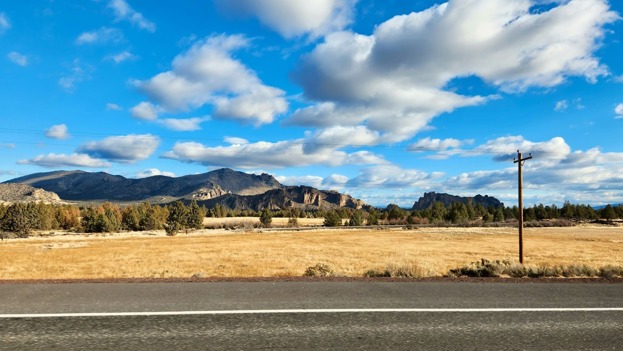
For decades, the typical road trip has been defined by one goal: get there as quickly as possible. The rise of the interstate made it easy — faster speeds, direct routes, and predictable travel conditions. But in the process, something important was lost.
When you stay on major highways, you often bypass the very things that make travel memorable.
A growing number of travelers are now shifting toward a slower, more intentional approach — one that prioritizes experience over efficiency. Instead of focusing only on the final destination, the emphasis is placed on what happens along the way.
What changes when you skip the interstate?
-
You trade high-speed traffic for quieter roads and less stress
-
You gain access to small towns and local spots that sit just off the main route
-
You experience more diverse scenery, from farmland to rolling hills and coastal stretches
-
You have more opportunities to stop spontaneously and explore without feeling rushed
This shift doesn’t mean giving up structure entirely — it just means redefining what a successful trip looks like. Instead of measuring progress in how many miles you cover in a day, you begin to value the quality of each stop, each detour, and each unexpected find.
Why slower travel often leads to a better experience
-
More time to explore local restaurants, shops, and communities
-
Less fatigue compared to long stretches of high-speed driving
-
Greater flexibility to extend your trip or change plans mid-journey
-
A deeper connection to the places you visit across the country
Travelers like Charles Kuralt, the longtime CBS journalist, built entire careers around this philosophy — highlighting everyday places and people that are often overlooked when moving too quickly.
Choosing a no-interstate approach isn’t about avoiding efficiency entirely — it’s about finding a better balance between movement and experience. When you slow down, you don’t just reach your destination; you actually remember how you got there.
Following Historic Routes Like the Oregon Trail
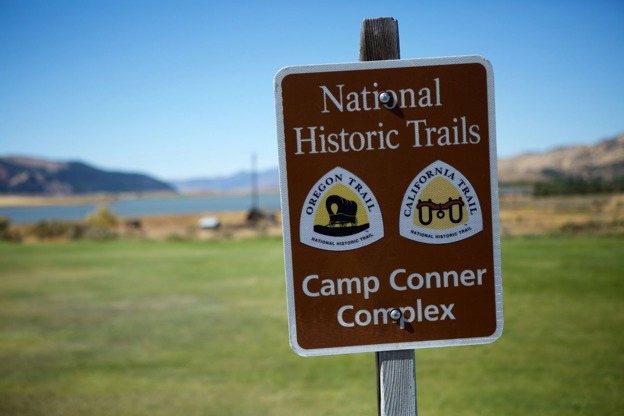
Long before the interstate highway system existed, travelers moved across the country using routes shaped by terrain, trade, and necessity. These historic paths didn’t prioritize speed — they followed rivers, mountain passes, and natural corridors that revealed the landscape along the way.
One of the most well-known examples is the Oregon Trail, which stretched from the Midwest to the Pacific Northwest. While you won’t be retracing it exactly, many modern highways and secondary roads still loosely follow portions of this route — offering a unique opportunity to experience a similar westward journey at your own pace.
These types of routes and roads often reveal a side of the country that’s easy to overlook — places where life is slower, the views are uninterrupted, and the stops feel more authentic.
For RV travelers, following historic routes also makes the trip more manageable. Instead of navigating congested high-speed corridors, you can take a more controlled approach — stopping when needed, adjusting your route, and turning the entire experience into something that feels less like a drive and more like a true open road adventure.
How to Plan a Route Using Back Roads
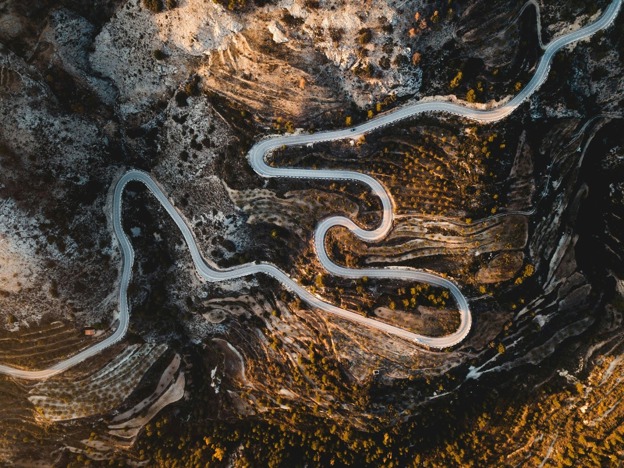
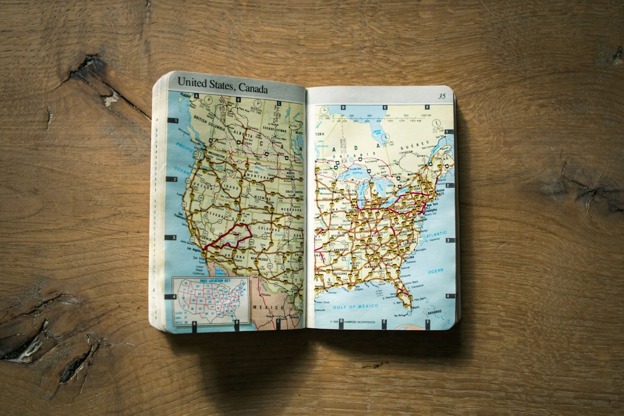
Planning a no-interstate road trip isn’t complicated—but it does require a different approach than simply plugging a destination into GPS and following the fastest route. The key is to be intentional with how you build your path and flexible with how you follow it.
Instead of relying entirely on automation, you’ll create a layered route that prioritizes back roads, scenic highways, and meaningful stops along the way.
Step-by-step: Building your no-interstate route
-
Start with your destination, then identify key regions or cities you want to pass through
-
Use tools like Google Maps and toggle “avoid highways” to generate a base route
-
Look for scenic byways or secondary highways that run parallel to major interstates
-
Manually adjust your route to include interesting towns, parks, or landmarks
-
Break your trip into manageable segments instead of planning every mile in advance
This approach gives you structure without locking you into a rigid plan.
How to make your route more interesting
-
Prioritize roads that pass through small towns rather than bypassing them
-
Add stops at local restaurants, roadside attractions, or neighborhood markets
-
Look for routes that connect to national parks or natural landmarks
-
Keep an eye out for unexpected detours—often the most memorable parts of the trip
You’ll quickly notice that the journey becomes less about getting from point A to point B, and more about everything in between.
Planning for time and distance
One of the biggest adjustments is understanding how long your trip will take. Without the interstate, travel is naturally slower—but that’s part of the appeal.
-
Expect shorter daily distances (fewer miles per day)
-
Plan for additional stops and longer breaks
-
Allow extra time for navigation and exploration
A drive that might take several hours on the highway could take longer on back roads—but it will also be far more engaging.
Why flexibility matters
No matter how well you plan, part of the experience comes from being able to adjust on the fly. You might discover a town worth exploring, a scenic overlook, or a roadside stop you didn’t expect.
This is where RV travel stands out. You’re not tied to strict schedules or hotel check-ins—you have the freedom to extend your trip, stop early for the night, or change course entirely.
When done right, planning a route using back roads doesn’t feel restrictive—it opens up more opportunities to explore, discover, and truly enjoy the drive.
Tools That Help You Avoid Interstates
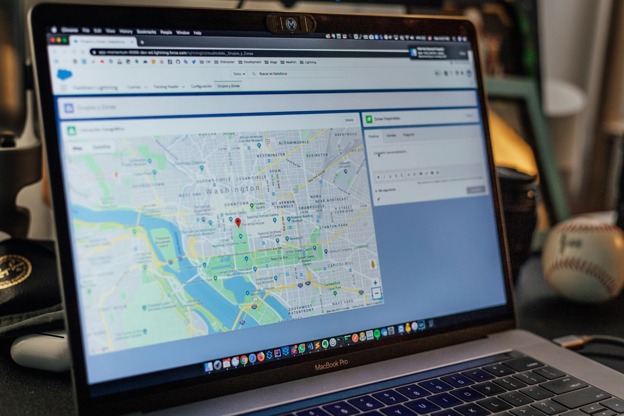
Planning a no-interstate road trip gets much easier when you use the right mix of tools—but the key is combining them, not relying on just one. Most navigation platforms are built to optimize speed using the interstate highway system, so you’ll need to guide your route more intentionally to stay on scenic roads.
Start with Google Maps as your foundation
-
Use Google Maps and toggle “avoid highways” to filter out most interstate highways
-
Drag your route manually to pass through specific towns or scenic areas
-
Save key stops so you can easily adjust your plan during your trip
Add tools designed for better road trip experiences
To build a more engaging route, layer in tools that focus on discovery, RV travel, and scenic driving:
-
Helps you find roadside attractions, interesting sights, and unique stops between destinations
-
RV LIFE Trip Wizard
-
Built specifically for RV travelers, factoring in vehicle size, road restrictions, and campground options
-
iOverlander
-
Great for finding overnight parking, remote campsites, and off-the-beaten-path locations
-
Scenic byway directories and state tourism website resources
-
Useful for identifying officially designated scenic routes that naturally avoid major highways
By combining these tools, you can move beyond the fastest route and build a path that actually enhances your journey.
Why verification matters when planning your route
When you’re traveling off the interstate, conditions can vary more—so it’s important to double-check your plan before you go.
-
Confirm road conditions, closures, and seasonal accessibility
-
Check RV access, including height restrictions and road width
-
Review terrain and elevation, especially in mountainous regions
Think of this step as performing security verification for your route—making sure everything is safe, accessible, and aligned with your travel plans.
Don’t rely entirely on automation
Even the best tools won’t fully capture the experience you’re looking for. Some of the best parts of a road trip come from adjusting your route in real time.
-
Use apps as a guide, not a strict set of directions
-
Be open to detours and spontaneous stops
-
Re-route when something more interesting comes up
When everything is mapped out, checked, and aligned with your goals, you’ve reached your verification successful moment—you’re ready to hit the road with confidence and flexibility.
Building a Flexible Itinerary Without Interstates
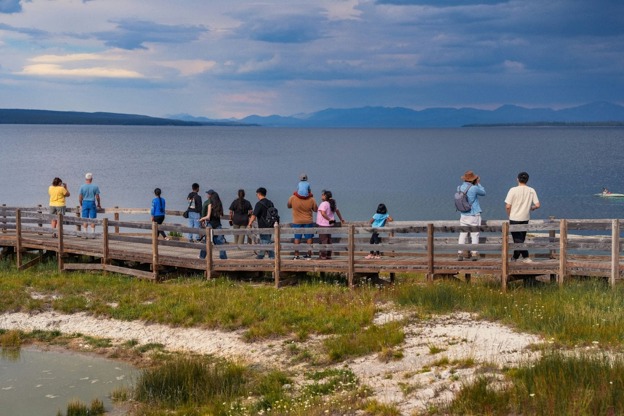
One of the biggest adjustments when planning a no-interstate road trip is letting go of rigid schedules. When you’re not relying on the interstate highway system, travel becomes less predictable—but also far more rewarding.
Instead of mapping every stop down to the minute, the goal is to create a flexible framework that gives you direction without limiting your ability to explore.
Plan your trip in segments, not strict schedules
-
Break your trip into general daily ranges instead of exact timelines
-
Focus on regions or stopping points rather than locking in every detail
-
Allow room to extend your stay if a place exceeds expectations
This approach works especially well for an extended trip, where the journey itself is just as important as the destination.
Adjust your expectations for time and distance
Traveling without the interstate means slower speeds—and that’s intentional.
-
You’ll likely cover fewer miles per day
-
A drive that takes a few hours on the highway may take longer on scenic routes
-
Stops will be more frequent, whether planned or spontaneous
Rather than rushing, the idea is to enjoy the pace and treat the drive as part of the experience.
Build in space for discovery
Some of the best moments on a road trip aren’t planned in advance.
-
A roadside stand or flea market you didn’t expect
-
A quiet stretch of road with incredible scenery
-
A small-town festival, diner, or local shop worth exploring
Leaving room in your itinerary allows you to take advantage of these opportunities without feeling like you’re falling behind schedule.
Balance structure with flexibility
While flexibility is key, having a loose structure still helps keep your journey on track.
-
Identify key stops or must-see locations along your route
-
Have a general idea of where you’ll stop each night
-
Keep backup options in case plans change
This balance ensures you stay organized while still embracing the freedom that makes this style of travel so appealing.
Why this approach works so well for RV travel
RV travel naturally supports a flexible itinerary.
-
You’re not tied to hotel reservations or strict check-in times
-
You can adjust your pace depending on how the day unfolds
-
You always have a place to rest, no matter where you end up
Instead of feeling like you’re trying to “hit” a checklist of locations, your journey becomes more fluid—allowing you to slow down, explore more deeply, and enjoy the open road the way it was meant to be experienced.
Examples of No-Interstate Road Trips to Try
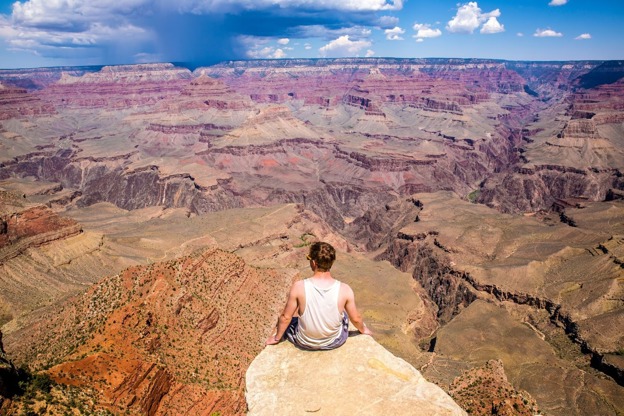
One of the best ways to plan a no-interstate road trip is to follow routes that naturally avoid major highways. These drives prioritize scenery, local culture, and unique stops—making them ideal for travelers looking to slow down and explore more of the country.
Below are a few routes that work especially well when you want to skip the interstate and embrace a more immersive experience.
Pacific Coast Route (California Coast)
-
Route: Northern to Southern California along Highway 1
-
Highlights: Coastal cliffs, beach towns, dramatic ocean views
-
Best for: Travelers who want nonstop scenery and frequent photo stops
This route runs largely parallel to major highways but feels completely different. Instead of fast-moving traffic, you’ll wind along the coastline, stopping in small towns and scenic overlooks along the way.
Blue Ridge Parkway (Virginia to North Carolina)
-
Route: Through the Appalachian Mountains from Virginia into North Carolina
-
Highlights: Mountain views, overlooks, hiking access
-
Best for: A slower-paced journey through nature
This is one of the most scenic drives in the U.S., with limited commercial development and easy access to interesting sights along the way.
Southwest Desert Route (Arizona, New Mexico, Nevada)
-
Route: Connecting areas like Las Vegas, northern New Mexico, and Arizona
-
Highlights: Desert landscapes, rock formations, wide-open open road views
-
Best for: Travelers seeking space, quiet, and dramatic terrain
You can build a route that includes destinations like the Grand Canyon while staying off major highways for much of the trip.
Midwest Backroads Route (Kansas to Texas)
-
Route: From Kansas down into Texas, avoiding major corridors
-
Highlights: Rolling farmland, rural towns, local diners
-
Best for: Experiencing authentic small-town America
This type of route offers consistent access to small towns, where you can stop, explore, and enjoy local culture that often gets bypassed by faster routes.
Making It a Bucket List Experience

A no-interstate road trip isn’t just about changing how you drive—it’s about changing how you experience travel. When you move away from the interstate, the focus shifts from simply reaching a destination to fully enjoying the journey.
That’s what turns a regular trip into something truly memorable.
Focus on experiences, not just destinations
-
Stop in small towns you’ve never heard of and explore on foot
-
Try local restaurants instead of relying on chain stops
-
Visit roadside attractions, scenic overlooks, and sights that pique your interest along the way
These are the moments that often define the trip—not the major cities or landmarks.
Build in stops that make the trip unique
-
Plan visits to national parks or natural landmarks
-
Look for seasonal experiences like local festivals or farmers markets
-
Add locations you’ve always wanted to see—even if they require a slight detour
A bucket list road trip isn’t about efficiency—it’s about creating a collection of experiences you’ll remember long after the drive is over.
Slow down and stay longer when it matters
One of the biggest advantages of avoiding the interstate highway system is the freedom to adjust your pace.
-
Spend extra time in places that surprise you
-
Take a break when the scenery feels worth it
-
Extend your stay without worrying about strict schedules
This is where the trip becomes personal. Instead of following a fixed plan, you’re shaping the experience in real time.
Why this style of travel stands out
-
You’re more connected to the places you visit across the country
-
You notice details you would have otherwise missed
-
The drive itself becomes just as enjoyable as the stops
Over time, these experiences add up—turning your journey into something that feels intentional, immersive, and worth repeating.
Start Your No Interstate Road Trip with Cruise America
Skip the rush of the interstate highways and experience the open road the way it was meant to be explored. With an RV rental from Cruise America, you’ll have the flexibility to travel at your own pace, stop wherever the journey takes you, and turn any drive into a true adventure.
Plan your route, pack your essentials, and hit the road—your next no-interstate road trip starts here.