Arizona Bucket List: The 11 Best Places To Visit in Arizona
- Family Friendly
- Road Trip
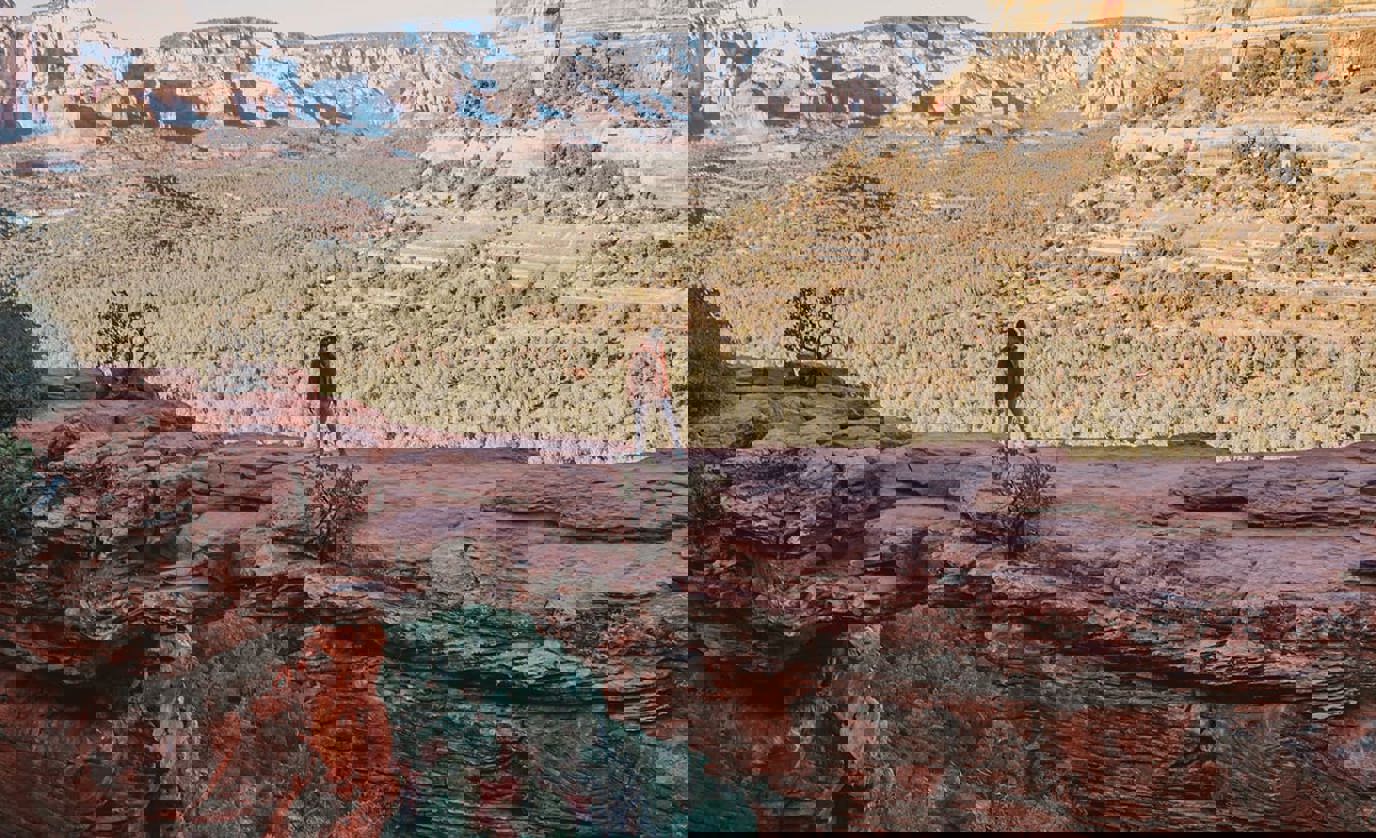
Arizona is one of the best places to visit in the American Southwest because it delivers an incredible range of landscapes and experiences within a relatively compact area. For travelers, that means you can build an epic road trip without long, exhausting drives—moving from forests to desert to canyon scenery all in a single, well-paced trip.
What makes Arizona stand out isn’t just the destinations themselves, but how easily they connect. You’re not limited to one type of environment—you’re constantly transitioning between new terrain, new views, and new experiences.
How to Choose the Best Places to Visit in Arizona
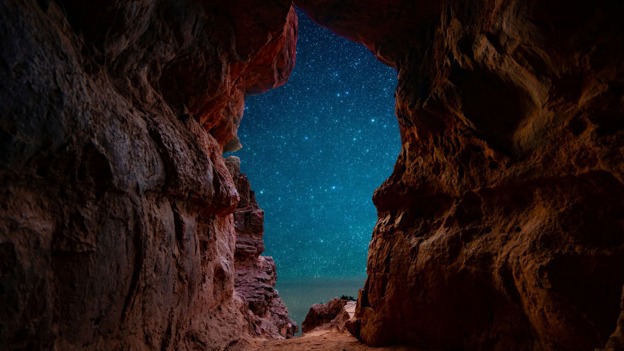
With so many incredible places to go in Arizona, the hardest part isn’t finding destinations—it’s deciding which ones are actually worth your time. A road trip throughout the state rewards good planning. The difference between an average trip and an unforgettable one often comes down to choosing the right locations based on time, season, and travel style.
Instead of trying to see everything, the goal should be to build a route that feels intentional, manageable, and aligned with what you actually want out of the experience.
Start with Your Trip Length
Your available time should be the first thing that shapes your itinerary.
If you have 3–4 days:
-
Focus on one region (typically Central + Northern Arizona)
-
Prioritize high-impact destinations like Sedona and the Grand Canyon
-
Keep drive times short so you can actually enjoy each stop
If you have 5–7 days:
-
You can begin to connect multiple regions
-
Add destinations like Antelope Canyon, Horseshoe Bend, or Flagstaff
-
This is where Arizona really starts to feel like a true road trip
If you have 7–10+ days:
-
You have flexibility to expand your route
-
Include Monument Valley, parts of southern Arizona, or hidden gems
-
Build in slower days to explore trails, viewpoints, and surrounding areas
Plan Around the Season (This Matters More Than You Think)
Arizona’s weather varies dramatically depending on location and elevation. Choosing where to go based on the time of year can completely change your experience.
Spring (March–May):
-
One of the best times to visit in Arizona
-
Mild temperatures across most regions
-
Ideal for hiking trails, sightseeing, and longer outdoor days
Summer (June–August):
-
Extremely hot in lower elevations like Phoenix and Tucson
-
Best strategy: head to northern Arizona (Flagstaff, Grand Canyon)
-
Start hikes early and avoid midday heat
Fall (September–November):
-
Balanced weather and fewer crowds
-
Great for multi-region trips and flexible planning
Winter (December–February):
-
Perfect for exploring southern Arizona near the Mexico border
-
Cooler weather makes desert exploration much more comfortable
-
Northern Arizona may see snow, especially around Flagstaff
Choose Destinations Based on Travel Style
Not every destination fits every traveler. The best places to visit depend on what kind of experience you’re looking for.
If you want iconic, bucket list stops:
-
Grand Canyon National Park
-
Antelope Canyon
-
Monument Valley
These are the destinations that define the American Southwest and deliver those unforgettable, first-time experiences.
If you want scenery and outdoor exploration:
-
Sedona area (red rock formations, trails, viewpoints)
-
Devil’s Bridge and Cathedral Rock for hiking
-
National parks and scenic canyons throughout the state
These areas offer some of the best hiking trails, views, and opportunities to start hiking right from your campsite or parking area.
If you want a more relaxed or cultural experience:
-
Town Scottsdale for dining and a polished atmosphere
-
Tucson for its great food and cultural influence
-
Stops like the Heard Museum in Phoenix for history and art
These destinations balance exploration with comfort and downtime.
If you want something different (less crowded):
-
Explore hidden gems and beaten path destinations
-
Visit ghost towns, historic sites, and an old mining town
-
Add places like the Painted Desert, Watson Lake, or Meteor Crater
These locations bring in the rich history and uniqueness that many travelers miss.
Think About How Destinations Connect
One of the biggest mistakes travelers make is choosing great destinations that don’t logically connect. Arizona works best when your route flows naturally.
Smart route planning looks like:
-
Moving north from Phoenix into Sedona → Flagstaff → Grand Canyon
-
Continuing toward the Utah border for Page, Lake Powell, and Glen Canyon Dam
-
Looping back instead of retracing long stretches of road
Avoid:
-
Jumping between north and south repeatedly
-
Planning long, back-to-back driving days
-
Trying to fit too many stops into one trip
Key Takeaways for Planning Your Trip
Before you finalize your itinerary, keep these in mind:
-
Focus on quality over quantity when choosing places to visit
-
Let season and weather guide your route
-
Match destinations to your travel style and energy level
-
Build a route that feels like a natural progression—not a checklist
Best Places to Go in Arizona for an Epic Road Trip
Arizona is one of the best states in the country to build a true epic road trip, not just because of the number of destinations, but because of how naturally they connect. You’re not driving hours through empty stretches just to reach one highlight—instead, every leg of the trip offers something worth pulling over for. Here are some of the most breathtaking spots to make time for!
Grand Canyon
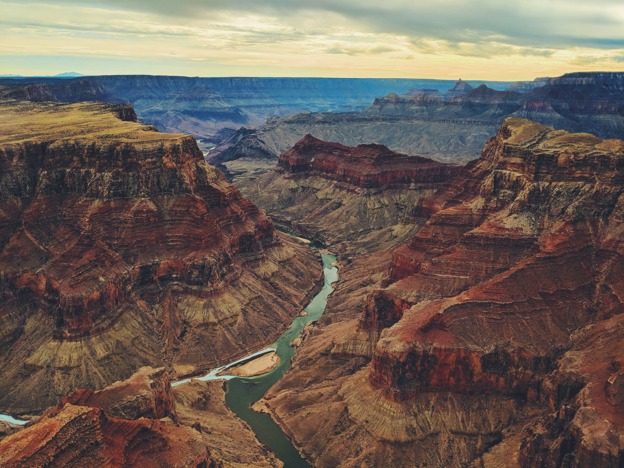
The Grand Canyon is often the starting point for many Arizona trips—and for good reason. There’s nothing subtle about it. Standing at the South Rim, especially at viewpoints like Mather Point, gives you a sense of scale that’s difficult to fully grasp until you’re there. The canyon stretches endlessly, with layers of rock that shift in color throughout the day depending on the light.
While it’s one of the most visited destinations in the country, it still feels expansive enough to find quieter moments, especially if you explore beyond the main viewpoints or visit early in the morning. For RV travelers, the infrastructure around Grand Canyon National Park makes it relatively easy to access without sacrificing the experience.
Why it’s worth including:
-
One of the top bucket list destinations in the United States
-
Easily accessible viewpoints along the South Rim
-
Opportunities to walk, hike, or simply take in the views
-
Serves as a natural anchor point for a larger Arizona road trip
Antelope Canyon
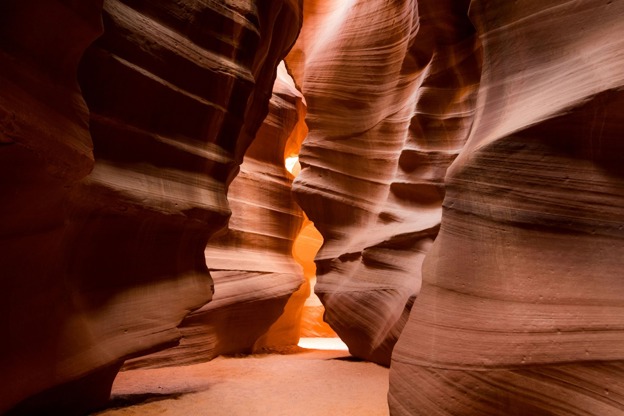
Located near the Utah border on the Navajo Nation, Antelope Canyon offers a completely different type of landscape. Instead of wide-open views, this is a narrow, winding slot canyon where light filters through the rock in ways that feel almost unreal. It’s widely considered the most photographed slot canyon in the world, and once you step inside, it’s easy to understand why.
Visiting requires a guided tour, which adds a bit of structure to your day, but also provides insight into the geology and history of the area. Pairing this stop with nearby Horseshoe Bend and Lake Powell makes it one of the most visually rewarding stretches of your entire trip.
What makes it unique:
-
Smooth, wave-like canyon walls shaped by water over time
-
Light beams that create constantly changing photo opportunities
-
Close proximity to multiple major attractions in the surrounding area
Cathedral Rock in Sedona
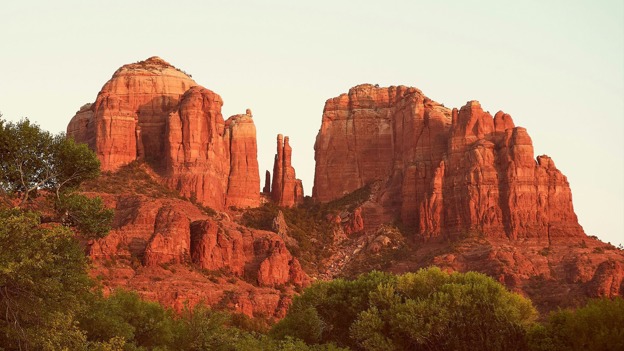
The Sedona area is filled with incredible scenery, but Cathedral Rock stands out as one of the most recognizable formations in all of Arizona. Rising sharply from the desert floor, it creates a dramatic backdrop that feels both massive and surprisingly accessible.
What makes Sedona special isn’t just the individual landmarks—it’s how immersive the entire environment feels. You’re surrounded by red rock formations in every direction, and even short walks can lead to incredible viewpoints. Trails around Cathedral Rock range from moderate to more challenging, making it a great place to start hiking or push yourself a bit further.
Why travelers prioritize Sedona:
-
Some of the most gorgeous views in the state
-
A high concentration of scenic trails in a relatively small area
-
Easy access from Phoenix makes it a natural early stop
Devil’s Bridge Trail
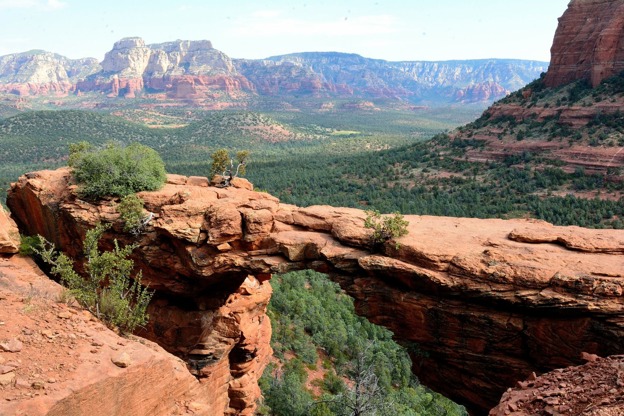
If you’re looking for a hike that leads to one of the most rewarding viewpoints in Arizona, Devil’s Bridge is hard to beat. The trail takes you through the Sedona landscape before opening up to a natural sandstone arch that you can actually walk across.
It’s one of those experiences that feels more adventurous than a simple scenic stop, giving you a chance to actively engage with the landscape rather than just observe it. The surrounding trails also offer plenty of options if you want to extend your time outdoors.
What to expect:
-
A moderate hike with a steady incline
-
A natural rock bridge with panoramic views
-
One of the most photographed hiking destinations in Arizona
Desert Botanical Gardens in Phoenix
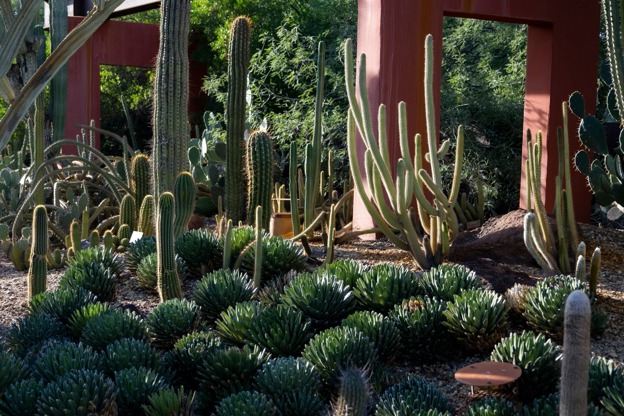
Not every great stop in Arizona is a remote landmark. The botanical gardens in Phoenix offer a different kind of experience—one that helps you understand the desert rather than just drive through it.
Instead of wide-open exploration, this is a more structured visit where you can walk through curated trails featuring native plants, cacti, and desert ecosystems. It’s especially valuable early in your trip, as it gives context to the landscapes you’ll see throughout the rest of your journey.
Why it’s worth a stop:
-
Easy, accessible walking paths
-
Educational insight into desert plant life
-
A good balance to more physically demanding hikes
Monument Valley
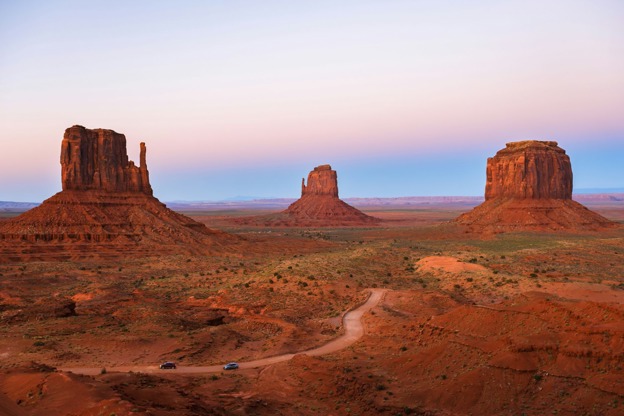
Few places capture the spirit of the American Southwest like Monument Valley. Located in northeastern Arizona, this area is defined by towering sandstone formations rising out of a flat desert valley, creating a landscape that feels almost cinematic.
Unlike Sedona or the Grand Canyon, Monument Valley is more about the drive than the destination. The scenic routes through the valley allow you to experience the landscape from multiple perspectives, making it one of the most immersive parts of any Arizona trip.
Why it stands out:
-
One of the most iconic landscapes in the western United States
-
Strong cultural connection to the Navajo Nation
-
Ideal for scenic drives and photography
Flagstaff
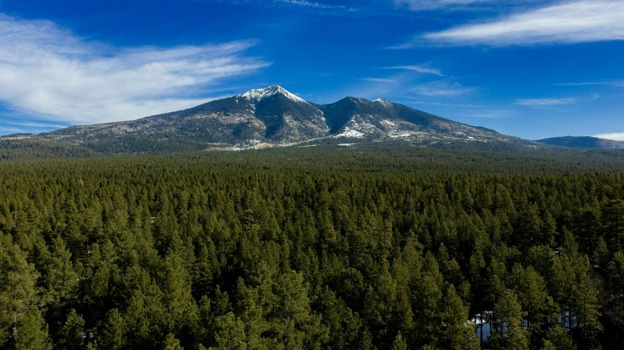
Flagstaff offers a completely different side of Arizona. Sitting at a higher elevation, it’s surrounded by forests and mountain terrain, making it a great contrast to the desert-heavy portions of your trip.
It’s also one of the best places to slow down for a bit. After several high-impact stops, Flagstaff provides a more relaxed environment where you can explore at your own pace, enjoy cooler weather, and take advantage of nearby hiking trails.
What makes Flagstaff a valuable stop:
-
Cooler temperatures, especially in summer
-
Access to forested trails and mountain views
-
Convenient location between Sedona and the Grand Canyon
Tucson & Saguaro National Park
Down in southern Arizona, Tucson and Saguaro National Park offer the classic desert experience many travelers are expecting. This is where you’ll see the iconic saguaro cacti stretching across the landscape, creating a setting that feels distinctly Arizona.
Tucson also adds a cultural element to your trip, with a reputation for great food and a strong connection to the region’s history. It’s a destination that blends outdoor exploration with a more laid-back pace.
Why include it:
-
Unique desert scenery not found in northern Arizona
-
Fewer crowds compared to more popular destinations
-
A mix of nature, culture, and history
Hidden Gems and Off-the-Beaten-Path Destinations
While Arizona is known for iconic destinations like the Grand Canyon and Sedona, some of the most memorable parts of any trip come from exploring beyond the main attractions. These hidden gems and beaten path locations offer a different perspective on the state—one that feels quieter, more personal, and often more rewarding.
Bisbee
Tucked away in southern Arizona near the Mexico border, Bisbee is a former mining town that has transformed into one of the most unique destinations in the state. Unlike the wide-open desert landscapes you’ll find elsewhere, Bisbee is built into the hills, with winding streets, colorful buildings, and a strong creative energy.
The town’s history is still very much present, but it’s blended with art galleries, small shops, and local restaurants that give it a completely different feel from more traditional stops.
What makes Bisbee worth visiting:
-
A walkable town layout with a distinct character
-
Strong ties to Arizona’s mining past
-
A mix of history, art, and local culture
-
A great stop if you’re already exploring the southern part of the state
Jerome
Perched on the side of a mountain, Jerome is another historic mining town, but with a very different atmosphere. Once considered one of the most prominent ghost towns in Arizona, it has since been revitalized while still maintaining its historic charm.
The drive into Jerome alone is part of the experience, with winding roads and sweeping views of the surrounding valley. Once you arrive, you’ll find a mix of historic buildings, small shops, and scenic overlooks.
Why travelers stop in Jerome:
-
Elevated location with incredible mountain views
-
A blend of history and modern-day small-town culture
-
Close proximity to the Sedona area, making it an easy add-on
Petrified Forest National Park
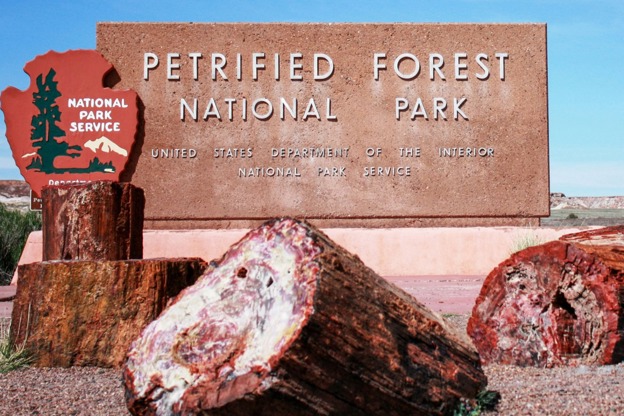
Often overlooked in favor of Arizona’s more famous national parks, Petrified Forest National Park offers a completely different kind of landscape. Located in northeastern Arizona, this area is defined by ancient, fossilized wood scattered across the desert, along with the colorful terrain of the Painted Desert.
It’s a quieter park compared to others in the state, which means you can explore without the crowds while still experiencing something truly unique.
What you’ll find here:
-
Fossilized logs that date back millions of years
-
Expansive desert views with layered colors
-
Short trails and scenic stops that are easy to access
Canyon de Chelly
Canyon de Chelly offers a deeper, more cultural experience than many other destinations in Arizona. Located within the Navajo Nation, this canyon is still inhabited, with families living in the same area for generations.
Unlike other canyons where you simply look out over the landscape, Canyon de Chelly gives you the opportunity to connect with its history and significance. Many areas can only be accessed by guided tour, which adds context and insight into the region’s past.
Why it stands out:
-
A blend of natural beauty and cultural significance
-
Historic sites and ancient dwelling locations within the canyon
-
Fewer visitors compared to more well-known destinations
Lake Havasu
If you’re looking to break up your trip with something completely different, Lake Havasu offers a water-focused destination in the middle of the desert. Known for its bright blue water and open shoreline, it provides a refreshing contrast to the canyon and red rock environments found elsewhere in Arizona.
It’s a great place to relax, spend time outdoors, and enjoy a different pace for a day or two.
What makes Lake Havasu unique:
-
A mix of water activities and desert scenery
-
Open space for camping and RV travel
-
A more laid-back environment compared to major tourist hubs
Chiricahua National Monument
Often referred to as a “Wonderland of Rocks,” Chiricahua National Monument is one of the most underrated natural destinations in Arizona. Located in the southeastern part of the state, it features towering rock formations that feel almost otherworldly.
Because of its more remote location, it sees far fewer visitors, making it ideal if you’re looking for a quieter experience.
What to expect:
-
Unique rock spires and formations
-
Scenic trails with fewer crowds
-
A peaceful setting that feels far removed from busier destinations
Ghost Towns and Historic Stops Worth Visiting in Arizona
Arizona’s history is deeply tied to mining, railroads, and early settlement—and some of the best places to experience that past are its ghost towns. These destinations offer more than just old buildings; they give you a sense of what life was like during the state’s boom-and-bust eras. Adding one or two of these stops to your road trip helps balance out the natural scenery with something more grounded in the region’s rich history.
Tombstone
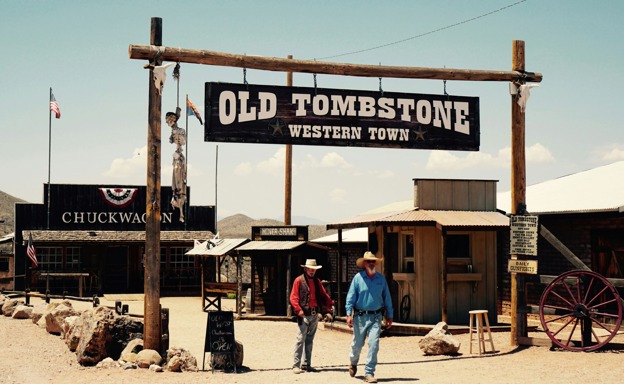
Tombstone is one of the most well-known historic destinations in Arizona and offers one of the most complete looks at Old West life. While it’s more developed than other ghost towns, it still captures the spirit of the late 1800s, when the town was at the center of Arizona’s mining boom.
Walking through Tombstone, you’ll find preserved buildings, reenactments, and historic sites tied to real events that shaped the region. It’s a great stop if you’re looking for something immersive and easy to explore without needing a lot of time.
What to expect:
-
A well-preserved historic district with walkable streets
-
Interactive experiences and reenactments tied to Old West history
-
Easy access and amenities for visitors
Goldfield Ghost Town
Located just outside of Phoenix, Goldfield Ghost Town is one of the most accessible historic stops in the state. While it has been partially reconstructed, it still offers a glimpse into Arizona’s mining past and works well as a shorter stop at the beginning or end of your trip.
Because of its proximity to the city, it’s an easy addition if you’re starting your route in the Phoenix area. It’s also a good option if you want a quick introduction to Arizona’s history without going too far off your path.
Why it works for a road trip:
-
Convenient location near major highways
-
Quick stop that doesn’t require a full day
-
A mix of historic structures and educational displays
Vulture City Ghost Town
Less crowded and more authentic than some of the more well-known locations, Vulture City offers a quieter look at Arizona’s past. Once a thriving mining town, it now stands as a preserved site where you can explore original structures and learn about the people who lived and worked there.
The setting feels more remote, which adds to the experience. Instead of a polished tourist destination, Vulture City gives you a closer look at what these towns were really like during their peak.
What makes it stand out:
-
Preserved buildings that reflect its original layout
-
A more authentic, less commercialized feel
-
Insight into Arizona’s mining history and early development
7–10 Day Arizona RV Itinerary
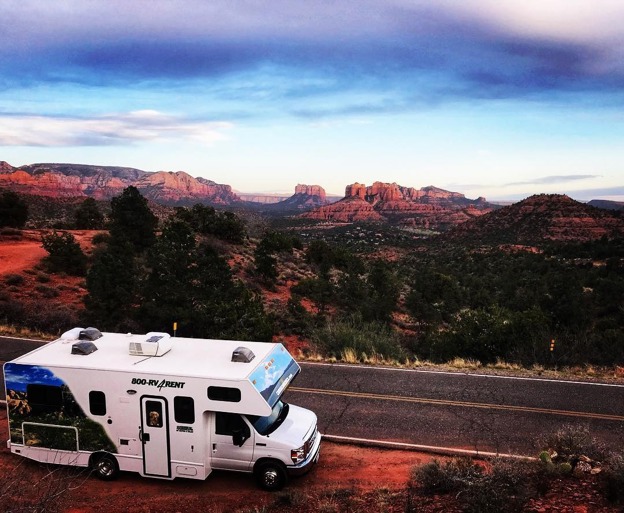
Now that you understand how to build a route, this section puts everything together into a realistic, well-paced Arizona road trip. This itinerary is designed to balance driving time with meaningful stops so you’re not rushing from place to place. Instead, you’ll have time to explore, walk, and actually experience each destination.
This route follows a natural loop starting and ending in Phoenix, moving through northern Arizona, and extending toward the Utah border before returning. It’s ideal for travelers who want to hit the best places to visit while still leaving room for flexibility.
Day 1–2: Phoenix & Scottsdale
Your trip begins in Phoenix, where you’ll pick up your RV, stock up on supplies, and ease into the journey.
This is a great time to:
-
Visit the Desert Botanical Gardens to better understand the desert landscape
-
Stop by the Heard Museum for insight into Native American culture
-
Enjoy some great food before heading into more remote areas
You don’t need to overpack these days—this is about preparing and getting comfortable before your adventure really begins.
Day 3–4: Sedona
From Phoenix, head north to Sedona, one of the most visually striking places to visit in Arizona. The drive itself sets the tone, as the landscape shifts into towering red rock formations and scenic canyon views.
Sedona is all about being outside and taking in the environment.
What to focus on:
-
Hike to Devil’s Bridge for one of the most iconic viewpoints
-
Visit Cathedral Rock for gorgeous views, especially at sunrise or sunset
-
Spend time exploring the Tlaquepaque Arts district for a slower-paced afternoon
This is one of the best places to start hiking and experience the natural beauty of the state up close.
Day 5: Flagstaff
A short drive from Sedona brings you to Flagstaff, where the environment changes completely. Sitting at a higher elevation, this area offers cooler temperatures, mountain air, and access to forested trails.
This is a great place to slow down slightly and recharge.
-
Take a short hike or scenic walk through nearby forests
-
Enjoy the change in climate compared to the desert
-
Prepare for your next major stop: the Grand Canyon
Day 6–7: Grand Canyon National Park
No Arizona itinerary is complete without time at Grand Canyon National Park. Entering through the South Rim, you’ll have access to some of the most famous viewpoints, including Mather Point.
The scale of the Grand Canyon makes it worth spending at least two days here.
What to do:
-
Walk along the rim and take in multiple viewpoints
-
Hike part of the canyon if you’re up for it
-
Catch sunrise or sunset for the best lighting
This is one of those bucket list destinations where taking your time makes all the difference.
Day 8–9: Page, Antelope Canyon & Lake Powell
From the Grand Canyon, continue toward the Utah border to the Page area. This stretch of the trip is packed with high-impact scenery and some of the most photographed locations in Arizona.
Must-see stops:
-
Antelope Canyon → Visit via a guided tour through the winding slot canyon
-
Horseshoe Bend → A short walk leads to a dramatic overlook of the Colorado River
-
Lake Powell → A chance to relax near the water and enjoy a different type of landscape
You’ll also pass by the Glen Canyon Dam, adding another layer of interest to this part of the route.
Day 10: Return to Phoenix
The final leg of your trip brings you back toward Phoenix. This is the longest drive of the itinerary, so plan to leave early and take breaks as needed.
If you have extra time, consider adding:
-
A stop at Meteor Crater
-
A detour through scenic parts of northern Arizona
-
A relaxed final evening back in the city
Key Tips for This Itinerary
To get the most out of this route, keep a few things in mind:
-
Aim to keep daily drives under 3–4 hours when possible
-
Build in time to explore, not just move between destinations
-
Book campground stays near major stops in advance
-
Stay flexible—some of the best moments happen when you adjust your plan
Explore Arizona Your Way with Cruise America
Hit the road and experience the best places to visit in Arizona at your own pace. With a Cruise America RV, you can experience everything the 48th state has to offer!
Start your Arizona road trip today and turn your itinerary into a true adventure.