Bourbon Trail Distilleries to Plan Your Road Trip Around
- Road Trip
- get inspired
There's a reason the Kentucky Bourbon Trail sits near the top of so many road trip bucket lists. Rolling bluegrass hills, limestone-filtered water, and more than two centuries of distilling tradition come together across a handful of counties in central Kentucky. What trips people up isn't deciding whether to go. It's figuring out how to see multiple bourbon trail distilleries in one trip without juggling hotel bookings, designated drivers, or a schedule that falls apart the moment one tour runs long.
An RV solves most of that in one move. Park at a campground near a cluster of distilleries, explore on foot or by rideshare, and pack up whenever you're ready for the next region. No overnight reservations to coordinate between stops, no rushing back to a rental car, no one stuck sipping water all day just to get everyone home safely. This guide maps out the bourbon trail section by section, highlights the distilleries worth building a stop around, and points you toward the RV parks and campgrounds that make the whole trip easier to string together.
Why the Kentucky Bourbon Trail Is Perfect for an RV Road Trip
The Kentucky Bourbon Trail was built for exactly this kind of trip. Distilleries are spread across small towns and back roads rather than one central strip, which means the drive between stops is part of the experience, not just a means to an end. An RV turns that distance into an advantage. You're not locked into checking in and out of a different hotel every night, and you're not paying for a chauffeured van tour just to avoid getting behind the wheel after a flight of tastings.
A few reasons an RV works especially well here:
-
Park once, explore a whole region. Most distillery clusters sit within 20 to 30 minutes of each other, so a single campground can serve as a base for two or three stops.
-
Flexible schedule. If a tour runs long or a distillery sells out its morning slots, you can adjust the rest of the day without losing a hotel reservation.
-
No designated driver stress for the group. Whoever is driving that day can stick to water and coffee, while everyone else enjoys the tastings, and the RV stays parked at the campground until you're ready to move on.
-
Kitchen and bathroom on board. After a few tasting rooms, having your own space to rest between stops beats piling back into a shared van.
Whether you're planning a long weekend or a full week through bourbon country, the trail rewards travelers who can move at their own pace, and that's where an RV has the edge over a rental car or a booked tour.
Mapping Your Route Through Bourbon Country
Before booking a single tasting, it helps to think of bourbon country as three or four workable clusters rather than one long line of distilleries. Trying to zigzag across the entire state in a day usually means more time behind the wheel than in a tasting room, and an RV road trip works best when you let geography set the pace.
Louisville is the easiest starting point, with urban distilleries you can visit on foot and easy highway access to everything else on the trail. From there, Bardstown sits about 40 minutes south and anchors the trail's most concentrated stretch of historic distilleries. Frankfort and Lexington sit roughly 30 to 45 minutes northeast of Bardstown, rounding out the central Kentucky loop with a mix of scenic river views and horse country. Smaller detours to towns like Lawrenceburg, Midway, and Paris are worth adding if you have an extra day and want to see the craft side of the trail.
A simple way to plan: pick one region per day, park your RV at a campground in or near that cluster, and explore two or three distilleries within a short drive of each other. It keeps windshield time low and lets you actually enjoy the stops instead of racing between them.
Buffalo Trace and Woodford Reserve: Where History Runs Deep
No trip through the Kentucky Bourbon Trail feels complete without a stop at these two distilleries. Both sit near the Frankfort area, close enough together to visit in the same day, and both carry a rich history that goes back well before Prohibition.
Buffalo Trace claims the title of America's oldest continuously operating distillery, having kept its stills running even during Prohibition under a medicinal whiskey license. The grounds include original 19th-century warehouses, a working blacksmith shop, and free tours that cover the full bourbon-making process from grain to bottle.
Woodford Reserve takes a different approach. Its limestone rickhouses and copper pot stills sit on a National Historic Landmark property along Glenns Creek, and the setting is often described as the most scenic on the trail. Tours here run smaller and more personal, with a strong focus on the distilling process itself.
|
Distillery |
Location |
Known For |
Good Fit For |
|
Buffalo Trace |
Frankfort |
Oldest operating distillery, free tours |
History lovers, first-time visitors |
|
Woodford Reserve |
Versailles (near Frankfort) |
Scenic grounds, small-batch process |
Photographers, process-focused tastings |
A few tips for visiting either:
-
Book tours several weeks out, especially for weekend slots
-
Wear comfortable shoes since both properties involve walking across uneven, historic grounds
-
Pair the two in one day since they sit about 15 minutes apart
Four Roses Distillery: The Detour Worth Taking
Sitting just outside the main Bardstown to Frankfort corridor, Four Roses Distillery in Lawrenceburg is worth the extra 20 minutes it takes to get there. The Spanish Mission-style architecture stands out immediately, a departure from the red brick warehouses found at most other stops on the trail.
What makes a visit to this distillery memorable isn't just the building. Four Roses uses ten different bourbon recipes, a level of craftsmanship that most distilleries don't attempt, and tours walk through how those recipes come together during blending. The tasting room sits inside the original 1910 building, giving the whole stop a sense of stepping back in time.
A few reasons to add it to your route:
-
Distinct architecture that photographs well and breaks up a day of similar-looking rickhouses
-
Ten-recipe blending process gives visitors more to talk about than a standard mash bill explanation
-
Smaller crowds than Buffalo Trace or Woodford Reserve, even during peak season
Castle & Key Distillery: Bourbon History Meets Botanical Grounds
If there's one stop on the trail built for wandering as much as tasting, it's Castle & Key Distillery in Frankfort. Originally constructed in 1887, the property fell into disrepair for decades before a full restoration brought it back as a working distillery in the 2010s. The result is part distillery, part historic estate.
The grounds are the real draw here. A sunken botanical garden, a limestone springhouse where the water for production is sourced, and the castle-like stillhouse itself make this one of the most photographed stops in bourbon country. Tours cover the property's restoration story alongside the usual distilling process, and the tasting room overlooks the garden rather than sitting tucked inside a warehouse.
What sets a visit here apart:
-
Botanical gardens and springhouse tours not found at other stops on the trail
-
Restoration story adds a layer of local history beyond bourbon making
-
Scenic backdrop makes it a strong stop for travelers who want photos as much as tastings
|
Feature |
Why It Matters |
|
1887 castle grounds |
Rare architecture on the trail, unlike typical brick warehouses |
|
Botanical garden |
A quiet break between tastings, good for non-drinking passengers too |
|
Limestone springhouse |
Ties directly into the water source used in production |
Evan Williams Bourbon Experience: Bourbon in the Heart of Louisville
For travelers starting their trip in Louisville, the Evan Williams Bourbon Experience on Main Street's Whiskey Row is one of the easiest first stops to work into an RV itinerary. Since it sits right in the city rather than out on a rural stretch of road, it's a good option for the day you're parked at a Louisville-area campground and want to explore on foot before heading out to the more spread-out locations.
The site honors Evan Williams, recognized as Kentucky's first licensed distillery owner, and the experience walks through that early history alongside a working, small-batch distillation operation on site. Tours end with a tasting that covers several expressions, and the on-site gift shop makes it easy to pick up a bottle without adding an extra stop to the day.
A few reasons it works well early in a trip:
-
Walkable from other Louisville attractions, so no need to move the RV midday
-
Covers the origin story of licensed distilling in Kentucky, useful context before visiting other stops
-
Shorter tour length compared to the larger rural distilleries, good for easing into a first day
Jim Beam and the Pepper Distillery: Legacy Brands Worth the Drive
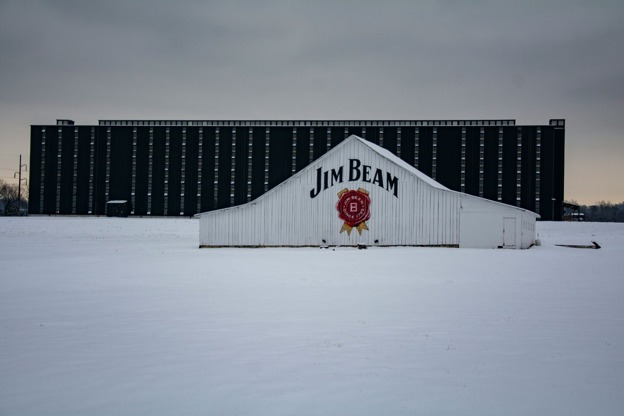
Jim Beam anchors the Bardstown-area stretch of the trail and remains one of the most recognized names in Kentucky bourbon. The property in Clermont has been run by the same family for eight generations, and tours cover everything from the rackhouses to a working still, with enough on-site dining options to make it an easy lunch stop between tastings.
For travelers routing through Lexington instead, the James E. Pepper Distillery offers a different kind of legacy. Known simply as the Pepper Distillery among trail regulars, it operates out of the same riverside site the Pepper family used before Prohibition, and its rickhouses sit within walking distance of downtown Lexington's distillery district.
|
Distillery |
Region |
Legacy |
Good Fit For |
|
Jim Beam |
Bardstown area (Clermont) |
Eight generations, one family |
Groups wanting food options on site |
|
James E. Pepper |
Lexington |
Pre-Prohibition riverside site |
Travelers based in Lexington's urban core |
Both stops work well as anchors for their respective regions:
-
Pair Jim Beam with a Bardstown cluster day since it sits close to several other distilleries
-
Pair James E. Pepper with a Lexington day trip, especially if you're also visiting nearby horse farms
Tasting Room Etiquette for First-Time Visitors
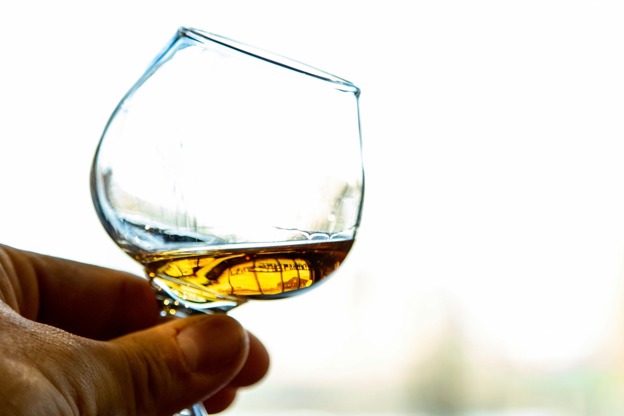
Walking into your first tasting room can feel intimidating if you don't know what to expect. A little preparation goes a long way toward making the experience smoother for you and everyone else in the group.
A few things to know before you go:
-
Book ahead. Many tours sell out 30 to 60 days in advance, especially at the more popular stops
-
Bring ID. Every guest, regardless of age, typically needs to show identification before a tasting
-
Wear comfortable shoes. Tours often cover uneven ground, gravel paths, and multiple flights of stairs through rickhouses
-
Pace yourself. Most tastings involve small pours across several bourbons, so sip slowly and take breaks between stops
-
Non-drinking guests are welcome. Most distilleries offer alternative tastings or simply let non-drinkers enjoy the tour itself
A few etiquette notes that make a difference:
|
Do |
Avoid |
|
Arrive 10 to 15 minutes early |
Showing up right at tour start time |
|
Ask questions during the tour |
Talking over the guide during the tasting portion |
|
Tip your guide if the tour was private or extended |
Rushing through the tasting to get to the gift shop |
|
Stay hydrated between stops |
Skipping meals between tastings |
Where to See a Bottling Facility in Action
Most tastings focus on the still and the rickhouse, but a handful of stops on the trail also let visitors watch a working bottling facility in motion. Seeing bottles filled, labeled, and sealed on the same day adds a different layer to the trip, especially for visitors who want to see the process through to the finished product rather than stopping at the barrel.
A few distilleries worth building a stop around for this reason:
-
Buffalo Trace runs bottling operations that guests can view as part of certain tour options, giving a full look at the path from distillation to shelf
-
Jim Beam offers a hands-on bottling experience where visitors can fill and label their own bottle to take home
-
Four Roses occasionally opens its bottling area to tour groups, depending on production schedules that day
A couple of things to keep in mind before counting on this as part of your visit:
|
Consideration |
Why It Matters |
|
Production schedules vary |
Bottling isn't always running the day you visit, so check ahead if this is a priority |
|
Not every distillery offers public bottling views |
Smaller craft distilleries may not have the space or schedule for it |
|
Hands-on options often cost extra |
Fill-your-own-bottle experiences typically run separately from a standard tour ticket |
If watching a bottling facility operate firsthand matters to you, call ahead or check the distillery's website before your visit, since this part of the process isn't always on public display.
RV Parks and Campgrounds Along the Trail
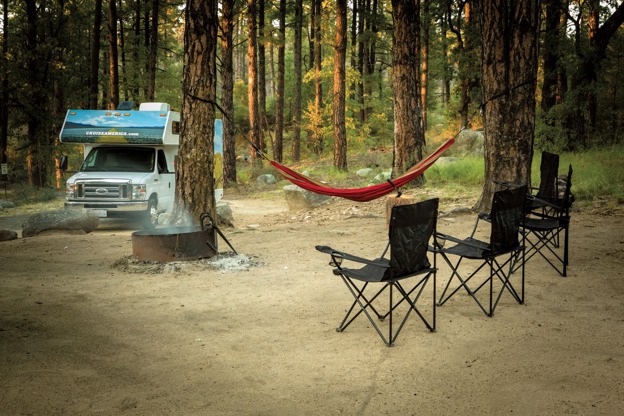
Choosing where to park makes a bigger difference on this trip than almost anywhere else, since a good campground puts you within a short drive of several distilleries instead of one. Here's how the options break down by region.
|
Region |
Campground |
What Sets It Apart |
|
Bardstown |
My Old Kentucky Home State Park |
The closest camping to the Bardstown cluster, within 10 minutes of several distilleries |
|
Bardstown |
Little Patch of Heaven Campground |
Full hookups, pet-friendly, close to downtown and the trail |
|
Bardstown |
White Acres Campground |
Spacious pull-through sites, easy highway access |
|
Frankfort |
Elkhorn Creek RV Park |
Creekside sites about 8 minutes from Buffalo Trace, centrally located for day trips |
|
Frankfort |
Kentucky River Campground |
Rustic and affordable, best suited to smaller rigs given tighter turns |
|
Lexington |
Whispering Hills RV Park |
The closest option to downtown Lexington and the Legacy Trail |
|
Louisville |
Otter Creek and Deam Lake |
Both sit 20 to 30 miles outside downtown, good for travelers who want a quieter overnight after a city day |
|
Elizabethtown |
Elizabethtown Crossroads Campground |
A convenient starting point for travelers approaching the trail from the south |
A few things worth planning around:
-
Confirm hookups before booking. Some smaller, rustic campgrounds only offer water and electric, not full sewer connections
-
Check rig size limits. A few riverside spots have tight turns better suited to smaller RVs than a 35 to 40-foot motorhome
-
Book early during peak season. Spring and fall fill up fastest, right alongside the distillery tours themselves
Basing yourself in Frankfort or Bardstown for two or three nights, then moving to Lexington or Louisville for the rest of the trip, keeps driving time reasonable while still covering most of the trail.
Tour Logistics: Booking, Timing, and Getting Around Bourbon Distilleries
Once your route and campgrounds are set, the last piece is nailing down the schedule itself. Bourbon distilleries across the trail all run a little differently, so a few logistics decisions up front save a lot of frustration once you're on the ground.
Booking:
-
Reserve tours 30 to 60 days out for the most popular stops, since weekend slots sell out first
-
Weekday visits tend to have more same-week availability if your schedule is flexible
-
Double-check age requirements and any dress code notes in your confirmation email before you go
Timing:
-
Budget 60 to 90 minutes per tour, plus 15 minutes to check in beforehand
-
Add extra time for gift shop browsing if that's part of your plan
-
Two to three distilleries in one day is realistic. Trying to fit in more usually means less time actually enjoying each stop
Getting around:
|
Approach |
Best For |
|
Park the RV, walk between stops |
Distillery clusters within a mile or two of each other |
|
Park the RV, rideshare for the day |
Spread-out stops or when everyone in the group wants to taste |
|
Move the RV between regions |
Multi-day trips covering Bardstown, Frankfort, and Lexington separately |
Why an RV Is the Best Way to Experience Kentucky Bourbon
After a few days on the road, the case for touring by RV tends to make itself. Kentucky bourbon country rewards travelers who can move at their own pace, and an RV gives you that flexibility in a way a rental car or a booked van tour simply can't match.
A quick recap of why it works so well for this trip:
-
No hotel bookings to juggle between regions, since your home base moves with you
-
Flexible days, so a tour running long or a distillery selling out its morning slot doesn't throw off the rest of your trip
-
One sober driver per day covers the whole group, without paying for a chauffeured tour service
-
A home base at every stop, with your own kitchen and bathroom instead of a shared van or a different hotel room each night
Book Your Cruise America RV for the Bourbon Trail
Ready to plan your own trip? Cruise America makes it simple to turn a bucket-list bourbon trail visit into a flexible, self-guided road trip. Reserve your RV today!