Road Trip on a Budget (A Saver's Guide)
- RV Lifestyle
- Family Friendly
Key Points at a Glance
-
Timing your road trip during shoulder season instead of peak travel dates can save money on campsites, gas, and popular attractions
-
Planning your route in advance with Google Maps helps you save on gas mileage and avoid unnecessary backtracking
-
Cooking your own meals in an RV kitchen instead of eating at restaurants is one of the biggest ways to cut costs on a long trip
-
Free camping options like boondocking on public lands and dispersed camping in national forests can bring your lodging costs close to zero
-
An America the Beautiful pass gives you access to national parks and other federal sites, often paying for itself after just a few stops
-
Renting an RV combines your transportation, lodging, and kitchen into one cost, which is the biggest single advantage for anyone planning a road trip on a budget
A road trip is already one of the most budget-friendly ways to travel, but that doesn't mean the costs can't add up fast. Between gas, food, campsites, and the occasional souvenir, it's easy to spend more than you planned, especially on a longer cross-country trip where every stop adds another expense to the list.
The good news is that a little planning goes a long way. With the right approach to trip planning, from picking the right time of year to travel to knowing where to find free campsites along your route, you can explore just as much without spending nearly as much. This guide walks through the practical levers that make the biggest difference: timing, route planning, food, camping, and the tools that help you track spending along the way.
We'll also cover why an RV might be the single best decision you make for your budget. Combining your ride, your bed, and your kitchen into one rental sidesteps a lot of the costs that usually stack up separately on a road trip, and it's worth understanding exactly how much that advantage adds up to before you start planning.
How to Plan a Road Trip on a Budget
Planning a road trip on a budget starts well before you ever get in the car. The biggest savings don't come from cutting corners once you're already on the road; they come from decisions you make during the planning process, weeks or even months in advance.
Here are the core levers that make the biggest difference:
|
Budget Lever |
Why It Matters |
|
Timing |
Traveling during shoulder season means lower prices and lighter crowds |
|
Route |
A well-planned route saves gas and avoids unnecessary detours |
|
Food |
Cooking your own food instead of eating out is one of the biggest savings categories |
|
Camping |
Free or low-cost camping options can dramatically cut your lodging costs |
|
Vehicle choice |
Combining your ride and your lodging into one rental changes the math entirely |
Most people think of a road trip budget in terms of gas and food, but the vehicle you choose to travel in is actually one of the biggest decisions you'll make. An RV rolls your transportation and your accommodations into a single cost, which sidesteps a lot of the expenses that typically stack up on other kinds of trips.
Throughout this guide, we'll break down each of these levers in more detail, starting with one of the simplest and most overlooked: choosing when you travel.
Timing Your Road Trip: Shoulder Season vs. Peak

When you travel can matter just as much as where you travel, at least when it comes to your budget. Peak travel season, typically summer and major holiday weekends, comes with higher prices across the board: campsites, gas, attractions, and even grocery stores in tourist-heavy areas.
Shoulder season, the weeks just before or after peak season, offers a different experience entirely:
-
Lower campsite rates: Many campgrounds drop their rates once peak demand passes
-
Lighter crowds: National parks, roadside attractions, and popular stops are far less crowded
-
Better availability: Booking a site or finding a spot to park for the night is much easier
-
Comfortable weather: Spring and fall often bring milder temperatures than the height of summer
A quick comparison of what to expect:
|
Season |
What to Expect |
|
Peak (summer, holidays) |
Higher prices, crowded parks, limited availability |
|
Shoulder (spring, fall) |
Lower prices, lighter crowds, easier planning |
|
Off-season (winter, in some regions) |
Lowest prices, but limited hours and weather considerations |
If your schedule allows any flexibility at all, shifting your trip by even a few weeks outside of peak season can make a real difference in what you spend, without changing much about the trip itself. It's one of the easiest ways to save money without cutting anything from your itinerary.
Planning Your Route to Save on Gas and Tolls
Once you know when you're traveling, the next big lever is how you get there. A poorly planned route can quietly add hours of driving and dollars in gas that a little upfront planning would have avoided entirely.
A few practical ways to plan a smarter route:
-
Use Google Maps or a similar tool to compare routes: Sometimes the fastest route isn't the cheapest once tolls are factored in, so it's worth comparing a couple of options before you commit.
-
Group your stops geographically: Backtracking wastes gas and time. Plan your route so you're moving generally in one direction rather than zigzagging between destinations.
-
Check for toll-free alternatives: Many toll roads have a free parallel route that only adds a few minutes to your drive.
-
Factor in your vehicle's gas mileage: Larger vehicles, including RVs, use more fuel, so building that into your route planning helps you estimate costs more accurately.
|
Route Planning Tip |
Why It Helps |
|
Compare multiple routes |
Toll costs and traffic patterns vary more than you'd expect |
|
Minimize backtracking |
Saves both time and gas |
|
Check gas mileage in advance |
Helps you budget fuel costs realistically |
|
Look for toll-free alternatives |
Small time trade-off for real savings |
A well-planned route is one of the easiest ways to save money on a road trip without sacrificing anything about the experience. It just takes a little extra time before you leave rather than during the drive itself.
Budget-Friendly Tips for a Cross-Country Road Trip
A cross-country road trip comes with its own set of budget challenges simply because of scale. More miles mean more gas, more meals, and more nights of lodging, so small inefficiencies that wouldn't matter on a short trip can add up significantly over a few thousand miles.
A few budget-friendly tips specifically for longer routes:
-
Stay longer in fewer places: Constantly moving from destination to destination increases fuel costs and makes it harder to take advantage of weekly campsite rates. Slowing down and staying a few extra nights in one spot often costs less overall.
-
Break the trip into manageable driving days: Long driving days sound efficient, but they often lead to more impulsive spending on fast food and gas station snacks out of convenience.
-
Build in buffer days: A cross-country trip rarely goes exactly as planned. Having a little flexibility in your schedule prevents costly last-minute bookings when something changes.
-
Track your spending as you go: It's easy to lose track of costs over a multi-week trip. A simple daily log helps you catch overspending before it becomes a real problem.
|
Trip Length |
Budget Consideration |
|
Short trip (2-4 days) |
Fuel and food are the main costs to watch |
|
Week-long trip |
Lodging costs start to add up significantly |
|
Cross-country trip |
Weekly rates, buffer days, and spending tracking all matter more |
The main reasons cross-country trips blow past their budget usually come down to pace and convenience spending, not any single big expense. Slowing down and planning ahead solves both.
Cooking Your Own Meals Instead of Eating Out
Food is one of the highest variable costs on any road trip, and it's also one of the easiest to control. Three meals a day at restaurants adds up fast, especially for a family or group, and it's an expense that's almost entirely avoidable if you have access to a kitchen.
This is where an RV has a clear advantage over other kinds of road trips. Instead of hunting for a restaurant at every stop, you can cook your own meals right in the vehicle:
-
Breakfast: A simple breakfast made in your own kitchen costs a fraction of a hotel's free breakfast markup or a diner stop
-
Lunch: Pack sandwiches or leftovers to eat at a scenic overlook or rest area instead of a fast food drive-thru
-
Dinner: A full stove and fridge mean you can cook a real dinner at your campsite instead of paying restaurant prices every night
A quick cost comparison:
|
Meal Type |
Restaurant Cost (Per Person) |
Cooking Your Own Food |
|
Breakfast |
$10-15 |
$2-4 |
|
Lunch |
$12-18 |
$3-5 |
|
Dinner |
$18-25 |
$6-10 |
Over the course of a week-long trip, that difference adds up to hundreds of dollars, easily one of the largest savings categories on this entire list. Even bringing a small French press for coffee instead of stopping at a coffee shop every morning can save a surprising amount over the length of a trip.
Where to Shop: Grocery Stores Along Your Route

Cooking your own meals only saves money if you're also being smart about where you buy your groceries. Prices can vary significantly depending on where you stop, and it's easy to overspend without realizing it.
A few tips for shopping smart on the road:
-
Stick to major grocery store chains when possible: Prices at gas station convenience stores or small tourist-town markets are almost always higher than a standard grocery store.
-
Stock up before rural stretches: If you know you're heading into a national park or a stretch of national forests with limited services, buy what you need beforehand rather than paying inflated prices at the one store available.
-
Buy in bulk for the group: Larger packages of snacks, water, and staples are usually cheaper per unit than smaller, trip-sized packaging.
-
Look for local markets in bigger towns: Farmers markets and local grocers can sometimes offer better prices on fresh produce than big-box stores, plus a chance to try regional food.
|
Shopping Strategy |
Why It Saves Money |
|
Shop at chain grocery stores |
Consistently lower prices than convenience stores |
|
Stock up before remote areas |
Avoids markup near parks and rural stops |
|
Buy staples in bulk |
Lower per-unit cost for a group |
|
Time grocery runs around bigger towns |
More options and better prices |
A little planning around where and when you shop can meaningfully lower your food costs without requiring you to cook anything differently. It's simply about being strategic with where your money goes.
Free Camping: Boondocking and Public Land Options
Camping is often the single biggest expense on a road trip, but it's also the category with the most room for savings. Free camping options exist across the country, and taking advantage of them even a few nights a week can meaningfully lower your overall trip cost.
Boondocking, or camping without hookups on public lands, is one of the best-kept secrets for budget travelers. Public lands managed by the Bureau of Land Management (BLM) and the U.S. Forest Service often allow dispersed camping at no cost at all.
A few things to know before you try it:
-
Look for BLM and public lands near your route: Apps and websites dedicated to free campsites can help you locate legal, established spots.
-
Come prepared: Free campsites rarely have hookups, so you'll want a full tank of water and a charged battery if you're in an RV.
-
Follow stay limits: Many public lands allow free camping for up to 14 days in one spot before you're required to move.
-
Practice good etiquette: Pack out all trash and leave the site as you found it so these free options remain available for other travelers.
|
Free Camping Option |
What to Know |
|
BLM land |
Widely available in the western U.S., no cost, dispersed camping |
|
National forests |
Often allow free dispersed camping outside developed campgrounds |
|
Rest areas and truck stops |
Many allow short overnight stays for travelers passing through |
|
Walmart parking lots |
Some locations allow overnight RV parking, though policies vary by store |
Mixing in a few nights of free camping with paid campground stays is one of the most effective ways to bring your overall lodging costs down without giving up comfort for the whole trip.
National Parks and the America the Beautiful Pass
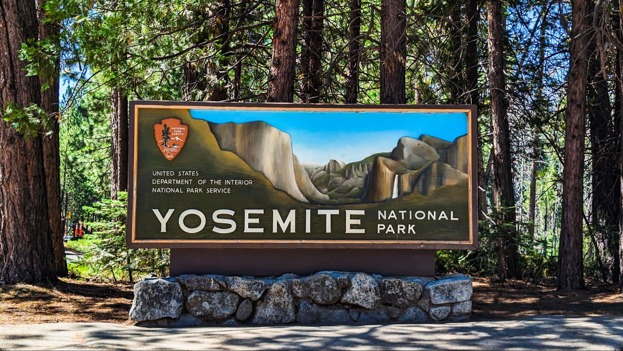
If your road trip route includes national parks, the America the Beautiful Pass is one of the easiest ways to save money. For $80, U.S. residents get a full year of access to national parks and a long list of other federal recreation sites, covering the driver and everyone in the vehicle at sites that charge per vehicle.
Here's a quick look at what the pass covers and what it costs:
|
Pass Type |
Cost |
Who It's For |
|
Annual Pass (U.S. residents) |
$80 |
Anyone visiting multiple fee-charging sites in a year |
|
Senior Annual Pass |
$20 |
U.S. residents 62 and older |
|
Senior Lifetime Pass |
$80 (one-time) |
U.S. residents 62 and older |
|
Military Pass |
Free |
Current U.S. military members and dependents |
|
4th Grade Pass |
Free |
U.S. students in the 4th grade |
The math on the standard annual pass is straightforward: most national parks charge somewhere between $20 and $35 per vehicle at the gate, so the pass typically pays for itself after visiting just two or three parks. If your cross-country road trip includes several national parks along the route, buying the pass before you leave is one of the simplest ways to save money.
A few things worth knowing:
-
The pass also covers many national forests, wildlife refuges, and lands managed by the Bureau of Land Management, not just national parks
-
It's now available digitally, so you can buy and access it from your phone without waiting for a physical card to arrive
-
It's non-transferable and tied to the person named on the pass
If national parks are a major part of your itinerary, this is one of the few upfront costs on this list that consistently pays for itself.
Don't Overlook National Forests for Budget-Friendly Stays
National parks tend to get all the attention, but national forests are often just as scenic and come with a much bigger budget advantage: many allow free dispersed camping outside of developed campgrounds.
Unlike national parks, which typically charge entrance and camping fees, national forests are managed with a different set of rules that make them far more budget-friendly for road trippers:
-
Dispersed camping is often free: As long as you're camping outside a developed site and following basic guidelines, many national forests allow you to camp at no cost.
-
Fewer crowds: National forests generally see far fewer visitors than national parks, even when they border each other geographically.
-
More flexibility: Unlike reserved campground sites, dispersed camping spots in national forests are typically first-come, first-served, so there's no need to book weeks in advance.
-
Still covered by your pass: If you have an America the Beautiful pass, it covers standard amenity fees at Forest Service sites too, so you get the benefit even if you're using a fee-based site.
A few practical tips for camping in a national forest:
|
Tip |
Why It Matters |
|
Check current fire restrictions |
Rules vary by forest and season |
|
Bring your own water |
Dispersed sites rarely have potable water available |
|
Download offline maps |
Cell service is often limited in these areas |
|
Respect stay limits |
Most forests cap dispersed camping at around 14 days |
Pairing a night or two in a national forest with your national park stops is a great way to stretch your camping budget further while still spending your days exploring some of the country's most beautiful public lands.
Car Camping and Low-Cost Campground Options
Not every night of your trip needs to be spent boondocking or roughing it in a national forest. For nights when you want a few more amenities, there are still plenty of low-cost ways to camp without paying premium campground rates.
Car camping is one of the simplest and cheapest ways to spend the night, especially for solo travelers or couples. All you really need is a sleeping bag, some basic camping equipment, and a legal place to park for the night.
Beyond car camping, a few other budget-friendly options worth considering:
-
State parks: Many state parks offer camping at a fraction of the cost of private campgrounds, often with showers, restrooms, and other basic amenities included
-
Municipal campgrounds: Smaller towns sometimes operate their own low-cost campgrounds that don't show up on major booking platforms
-
Off-peak KOA and private campgrounds: Rates at many campgrounds drop outside of peak season, making them more affordable if your schedule is flexible
-
Membership discounts: Some campground networks offer discounted nightly rates for members, which can pay off quickly on a longer trip
A general sense of what to expect cost-wise:
|
Camping Type |
Typical Cost Per Night |
|
Free camping (BLM, dispersed) |
$0 |
|
State parks |
$15-35 |
|
Municipal campgrounds |
$10-25 |
|
Private campgrounds (KOA-style) |
$35-65+ |
Many campgrounds also accept cash on-site, which is worth keeping on hand in case a smaller or more remote location doesn't take cards. Alternating between free nights and a paid site with hookups every few days is a common strategy that keeps costs low while still giving you access to laundry, showers, and a place to fully recharge.
Free Things to Do Once You Arrive
Once you've saved money on gas, food, and camping, don't undo all that progress by overspending on entertainment. Plenty of destinations offer free things to do that are just as memorable as the paid attractions, sometimes more so.
A few categories of free or nearly free outdoor activities and fun worth building into your itinerary:
-
Hiking and scenic overlooks: Most public lands, national forests, and even many national parks offer free trails and viewpoints once you're inside
-
Roadside attractions: The world's largest rocking chair, a quirky small-town mural, or an oddball roadside museum are often free and make for a fun break from driving
-
Junior Ranger programs: Many national parks offer free, kid-friendly activity booklets that end in an official badge, a great way to keep kids engaged
-
Public parks and beaches: Local parks, waterfronts, and beaches are almost always free and offer a nice change of pace from driving
-
Historic downtowns: Walking through a charming small-town main street costs nothing and often includes free public art or historic architecture
|
Free Activity |
Best For |
|
Hiking trails |
Anyone looking for scenic, low-cost outdoor activities |
|
Roadside attractions |
Breaking up long driving days |
|
Junior Ranger programs |
Families traveling with kids |
|
Public parks and beaches |
A relaxing, no-cost break at your destination |
A quick tip: many local visitor centers and libraries also offer free maps, brochures, and suggestions for free things happening nearby, often events or activities that don't show up in a typical search. It's worth a five-minute stop if you're passing through a town you don't know well.
A Few Things to Pack to Save Money on the Road
A few things packed thoughtfully before you leave can save you from a lot of unnecessary spending once you're on the road. Most of these items are small, inexpensive, and pay for themselves within the first few days of your trip.
Here's what's worth bringing along:
-
A cooler or access to a fridge: Keeps snacks and drinks cold so you're not buying beverages at every gas station stop
-
Reusable water bottles: Refilling instead of buying bottled water adds up to real savings over a multi-week trip
-
Basic camping equipment: A sleeping bag, folding chairs, and a headlamp cover you for car camping or a night in a national forest without needing to buy or rent gear on the road
-
Personal hygiene basics: A stocked toiletry bag means you're not paying convenience-store prices for toothpaste or sunscreen halfway through your trip
-
Snacks for the car: Having your own snacks on hand cuts down on impulse buys at gas stations and rest stops
|
Item |
Why It Saves Money |
|
Cooler or fridge access |
Avoids buying drinks and snacks repeatedly |
|
Reusable water bottles |
Cuts down on bottled water purchases |
|
Camping equipment |
No need to rent or buy gear mid-trip |
|
Personal hygiene items |
Avoids marked-up convenience store prices |
|
Car snacks |
Reduces impulse spending at stops |
One more tip: pack light where you can. A lighter vehicle uses less fuel, and packing efficiently makes it easier to stay organized in a smaller space, whether you're in an RV or a car packed for a long trip.
Apps and Tools to Track Gas Prices and Stay on Budget
A little bit of technology goes a long way toward keeping your road trip on budget. A handful of free apps can help you save money on gas, track your spending, and avoid overpaying without much extra effort.
A few tools worth having on your phone before you leave:
-
Gas price tracking apps: Apps that show real-time gas prices at stations along your route help you avoid overpaying, especially in areas where prices can vary significantly within just a few miles
-
Google Maps: Beyond basic navigation, it's useful for comparing routes, checking traffic, and finding nearby grocery stores or campgrounds without leaving your planned path
-
Budgeting apps: A simple expense tracker helps you see exactly where your money is going day to day, which is especially useful on a longer trip where it's easy to lose track
-
Campground and free camping apps: Several apps specialize in showing free campsites, dispersed camping areas, and overnight parking options on public lands
|
Tool Type |
What It Helps With |
|
Gas price trackers |
Finding the cheapest gas station nearby |
|
Navigation apps |
Route planning and avoiding tolls or traffic |
|
Budgeting apps |
Tracking spending in real time |
|
Camping apps |
Locating free or low-cost campsites |
A rewards credit card with cash back on gas purchases is another simple way to save money passively, since you're already paying for gas regardless. Between an app to find the lowest price nearby and a card that gives a percentage back on every fill-up, this is one of the easiest budget wins on this entire list, since it requires almost no extra effort once it's set up.
Why an RV Is the Most Budget-Friendly Way to Road Trip
Every tip in this guide helps you save money in some way, but none of them compare to the single biggest budget decision you'll make: how you choose to travel in the first place. This is where an RV offers a genuine advantage over more traditional trip formats.
Think about what a typical trip usually requires:
-
A flight or a long drive in your personal vehicle
-
A rental car once you arrive, if you flew
-
A hotel room or other accommodations for every night of the trip
-
Restaurant meals for every breakfast, lunch, and dinner
An RV collapses nearly all of that into one single cost. You're not paying for a flight, a rental car, and a hotel separately; you're paying for one vehicle that handles transportation, lodging, and your kitchen all at once.
|
Traditional Trip Costs |
RV Road Trip |
|
Flight or long drive |
One vehicle for the entire trip |
|
Rental car at your destination |
Not needed, you're already driving |
|
Hotel or other accommodations |
Built-in sleeping space every night |
|
Restaurant meals |
Kitchen included for cooking your own food |
For families or groups splitting costs, the advantage is even bigger, since you're dividing one rental cost across everyone rather than paying for multiple hotel rooms or plane tickets. You also get the flexibility to adjust your route on the fly, stay an extra night somewhere unplanned, or skip an expensive city stop entirely, all without losing money on a non-refundable hotel booking.
For travelers looking for the most bang for their budget, especially on a longer or cross-country trip, an RV isn't just a fun way to travel. It's genuinely one of the most budget-friendly ways to see the country, because it removes several separate expenses and replaces them with one predictable cost.
Book Your Cruise America RV
Ready to see more of the country without spending more than you have to? Book your Cruise America RV rental today and turn your transportation, lodging, and kitchen into one simple, budget-friendly cost for your next road trip.