Dispersed Camping in Sedona: Plan Your Adventure
- Road Trip
- get inspired
Key Points: Dispersed Camping in Sedona at a Glance
Short on time? Here's what to know before you plan your trip:
-
What it is: Free, no-hookup camping on public land managed by Coconino National Forest, first-come, first-served.
-
Best forest roads: Red Canyon (FR 525) for easy RV access, Angel Valley (FR 89B) for a quieter stay, Schnebly Hill Road for panoramic views (high-clearance only), and Loy Butte (FR 525C) for privacy with easier access.
-
Cost: Free, but bring everything you need; there are no water sources, toilets, or hookups at any dispersed site.
-
Stay limit: 14 days within a 30-day period before you're required to move to a different location.
-
Rules: Camp only in marked/previously used sites, check current campfire restrictions before lighting one, and follow Leave No Trace principles.
-
Season prep matters: Summer brings 100°F+ heat and monsoon flash flood risk; winter brings freezing nights and potentially icy roads at higher elevations like Schnebly Hill.
-
Wildlife: Bears, mountain lions, and snakes are present; store food securely and stick to established trails.
-
Nearby must-sees: Cathedral Rock, Devil's Bridge, Bell Rock, Chapel of the Holy Cross, and a scenic detour along Oak Creek Canyon.
-
Best way to do it: A self-contained Cruise America RV skips the need for hookups or amenities entirely, making it the easiest way to camp off-grid here comfortably.
Sedona, Arizona draws outdoor enthusiasts year-round, and it's easy to see why once you're surrounded by towering red rock formations and skies dark enough for real stargazing. For travelers who want more than a hotel room in town, dispersed camping across Coconino National Forest offers some of the best Sedona camping areas around, all free and open on public land. Whether you're chasing sunrise views over the canyon or just want a quiet base for a few days of hiking and outdoor activities, the Sedona area has no shortage of options for RVers willing to trade hookups for solitude.
This guide breaks down the best forest roads for dispersed camping, what to expect from the terrain, and how to prepare for a trip that puts you right in the middle of some of the most striking scenery in Arizona.
What Is Dispersed Camping?
Dispersed camping is camping outside of designated, developed campgrounds on public land, typically managed by agencies like the U.S. Forest Service or the Bureau of Land Management. There are no assigned campsites, no reservations, and no amenities like hookups, showers, or toilets. In exchange for that lack of infrastructure, you get something developed campgrounds usually can't offer: space, quiet, and the freedom to pick your own view.
Unlike a traditional campground with numbered sites, fire rings, and a check-in process, dispersed camping works on a first-come, first-served basis. You drive in, find an open spot that's already been used for camping before (to avoid creating new impact on the land), and set up. It's a different mindset than pulling into an RV park with full hookups, but for a lot of travelers, that's exactly the appeal.
A few defining features of dispersed camping:
-
No cost: Dispersed camping on national forest land is free, which makes it an easy way to stretch a longer road trip budget.
-
No amenities: Don't expect fire rings, picnic tables, potable water, or toilets. Whatever you bring in, you pack out.
-
No reservations: Sites are claimed on arrival, so popular areas can fill up fast, especially on weekends.
-
Stay limits apply: Most areas cap stays at 14 days within a 30-day period before you're required to move to a different location.
For RVers, dispersed camping is a natural fit. A self-contained rig already has its own water, power, and bathroom, so you're not sacrificing much comfort in exchange for a campsite that costs nothing and puts you further from the crowds than any developed campground near Sedona could.
Why Sedona Is One of the Best Camping Areas in Arizona
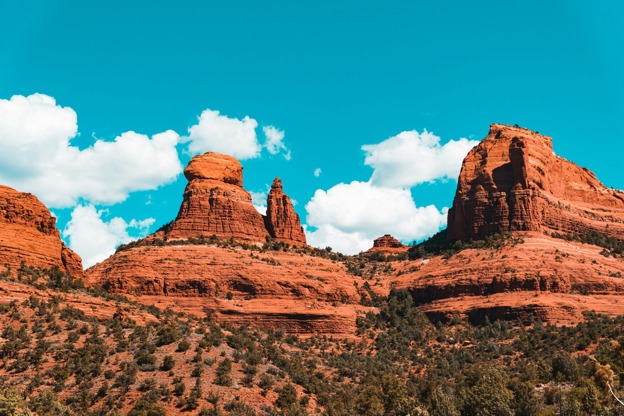
Plenty of places in Arizona offer dispersed camping, but few match the combination of scenery and accessibility you get around Sedona. This is one of the more sought-after Sedona camping areas in the state, and it's not hard to understand why once you're parked beneath a wall of red rock cliffs with nothing but open sky above you.
A few reasons Sedona stands out:
-
The scenery is unmatched: Towering red rock formations surround nearly every camping spot in the area, turning even a quick overnight stay into something memorable.
-
Coconino National Forest borders the town on almost every side: That means dispersed camping options are never far from Sedona proper, no matter which direction you're headed.
-
The stargazing is exceptional: With limited light pollution this close to a major town, clear nights here rival some of the best dark-sky spots in the Southwest.
-
Hiking trails are everywhere: From easy walks to challenging canyon routes, most camping areas sit within a short drive, or in some cases a short walk, of a trailhead.
-
It's a genuinely peaceful alternative to town: Sedona's downtown can get crowded with tourists, but a few miles out on forest roads, it's just you, the rocks, and the quiet.
For RV travelers heading through central Arizona, whether coming up from Phoenix, over from Flagstaff, or through Camp Verde and Cottonwood, Sedona makes an easy stop with camping options for nearly every kind of rig. The area's popularity does mean weekends and the busier fall months can fill spots quickly, so having a backup forest road in mind is always a smart move.
Camping Along Schnebly Hill Road
Schnebly Hill Road is one of the most scenic dispersed camping options near Sedona, but it's also one of the more demanding ones. The road climbs out of town and up into elevated terrain, delivering panoramic views over the valley that are hard to match anywhere else in the area. Schnebly Hill Vista, a well-known overlook partway up, is worth the stop even if you don't plan to camp beyond it.
That said, this road isn't for every rig. The route is rough, rocky, and requires real clearance, which makes it a better fit for high-clearance vehicles than for larger RVs or anything towing a trailer. Washboard sections and loose rock are common, especially the higher you climb, and conditions can shift quickly after rain.
A few things to know before heading out:
-
Access point: The road begins just past the Sedona city limits, so it's a short drive from town before pavement turns to dirt.
-
Direction: From town, you'll turn south off Highway 179 to pick up the road heading up toward the rim.
-
Best bet for RVs and trailers: If you're driving anything larger, Woody Mountain Road offers a smoother alternative route into similar high-country terrain without the rough climb.
-
Scenery: Panoramic overlooks, red rock canyon views, and sunrise or sunset light that's genuinely hard to beat.
For campers in smaller rigs, vans, or anyone comfortable with rougher forest roads, Schnebly Hill Road delivers some of the most dramatic views in the entire Sedona area. For everyone else, it's worth driving up just for the overlook, even if you end up camping somewhere with easier access for the night.
Free Camping Spots Near Red Canyon, Angel Valley, and Loy Butte
For campers who want more flexibility than Schnebly Hill Road allows, three forest roads north and west of town offer some of the best free camping in the area, each with its own character and access level.
Forest Road 525 (Red Canyon Road)
This is one of the most popular stretches of dispersed camping near Sedona, and for good reason. The road is well-maintained dirt, accessible to most vehicles including larger RVs, and it stretches for miles with plenty of pull-offs and open spots along the way. Camping is only permitted in areas that have already seen use, which helps keep impact contained to established spots rather than spreading across the landscape.
-
Access: Well-graded dirt road, manageable for most RVs and trailers
-
Scenery: Sweeping views of red rock formations, especially striking at sunset
-
Nearby trailhead: Close to Devil's Bridge, one of the most popular hikes in the area
-
Best for: First-time dispersed campers or anyone driving a larger rig
Forest Road 89B (Angel Valley Road)
Located near Red Rock State Park, this road offers a quieter, more remote feel than Red Canyon. It's suitable for both tent sites and smaller RVs, though the surface can get rough in stretches, so a rig with decent clearance makes the drive easier.
-
Access: Moderate, some rough patches
-
Scenery: Remote, less trafficked than Red Canyon
-
Best for: Campers prioritizing quiet over convenience
Forest Road 525C (Loy Butte Road)
A branch off Forest Road 525, Loy Butte offers a more private experience without straying too far from town. Sites here tend to be tucked into a shady stand of trees, which makes a real difference during the hotter months, and access is relatively easy compared to Schnebly Hill or even parts of Angel Valley.
-
Access: Easy to moderate
-
Scenery: Private, wooded pockets with red rock views nearby
-
Best for: Campers who want privacy without sacrificing easy access
Across all three roads, the drill is the same: arrive early, especially on weekends, and look for spots that show clear signs of prior use rather than carving out a new one. With so many campsites spread across these forest roads, most campers can find a spot that fits their rig and their preference for solitude versus convenience, all within a short driving distance of town.
Coconino National Forest Rules for Designated Sites
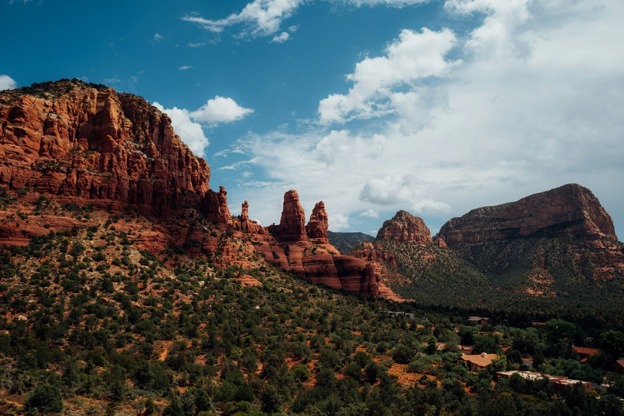
Dispersed camping around Sedona falls under Coconino National Forest management, and while the experience feels wide open, there are rules in place to keep it that way for future visitors. Designated dispersed camping areas are clearly marked, usually with small signs or posts at the entrance to a pull-off, and camping is only permitted within these marked zones rather than anywhere along a forest road that looks appealing.
A few key rules to know before you set up camp:
-
Stick to marked areas: Designated dispersed sites are signed for a reason. Camping outside them, even a few feet off the road, can damage vegetation and soil that takes years to recover.
-
Check campfire restrictions before lighting one: Sedona's dry climate means fire bans are common, especially in summer and during periods of drought. Always check current restrictions before assuming a campfire is allowed.
-
Respect quiet hours: Even without official campground quiet hours enforced the same way, common courtesy applies. Generators and loud music carry a long way across open desert terrain.
-
Leave the site better than you found it: Pack out trash, including anything left behind by previous campers if you're able.
These rules aren't complicated, but they matter more here than they might elsewhere. Sedona's popularity means these areas see heavy use, and without campground staff managing impact, it falls on campers themselves to keep these free, unstructured spaces from getting overused or shut down. A quick check of current Coconino National Forest alerts before heading out is always worth the two minutes it takes, especially during fire season.
Forest Service Regulations and the 14-Day Stay Limit
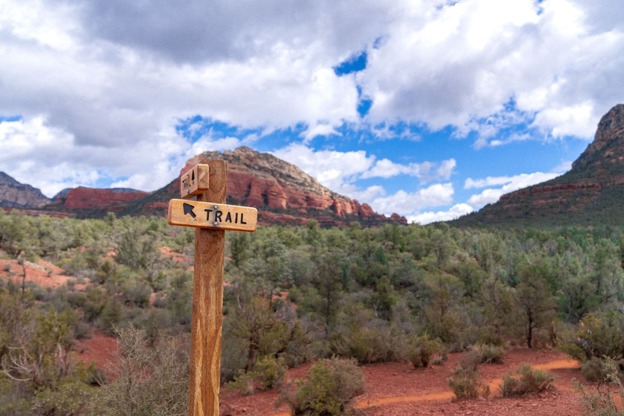
Beyond site-specific rules, the Forest Service sets a few broader regulations that apply across dispersed camping areas near Sedona, and they're worth knowing before you plan a longer stay.
The most important one is the 14-day stay limit. Most dispersed camping areas cap how long you can stay in one spot at 14 days within a 30-day period. After that, you're required to move to a different location, typically at least a few miles away, before you can camp again. This rule exists to prevent long-term, semi-permanent camping on public land and to keep these areas available on a first-come, first-served basis for other travelers.
A few other Forest Service guidelines worth keeping in mind:
-
First-come, first-served access. There's no reservation system for dispersed sites, which means popular spots along roads like Red Canyon can fill up fast, especially on weekends and holidays.
-
Leave No Trace principles apply. Pack out everything you bring in, minimize your footprint, and avoid creating new fire rings or clearing vegetation for a "better" campsite.
-
Some areas may have seasonal closures. Certain forest roads or zones can close temporarily for fire risk, wildlife activity, or road maintenance, so it's worth checking current conditions before setting out, especially later in the season.
-
Group size and vehicle limits can apply. Some areas restrict how many vehicles or people can camp at a single site, primarily to limit the size of the footprint at any one location.
None of these rules are especially restrictive, but they're the backbone of what keeps dispersed camping free and accessible in the first place. A quick check of current Forest Service guidance before your trip takes just a few minutes and can save you from showing up to a closed area or an unexpected restriction once you're already on the road.
Preparing for Summer and Winter in the Sedona Area
Weather in the Sedona area shifts dramatically between seasons, and since dispersed camping means no amenities, no shaded pavilions, no showers, and no toilets to fall back on, prep matters more here than it would at a developed campground. An RV helps close some of that gap, but it's still worth knowing what you're up against before you head out.
Summer Camping Checklist
Summer temperatures regularly climb above 100°F, and monsoon season brings a real risk of flash flooding, especially in washes and low-lying areas near a creek or canyon bottom.
-
Bring extra water for drinking, cooking, and cleaning; there are no water sources at dispersed sites
-
Pack an awning or canopy for shade if your site doesn't offer a shaded spot naturally
-
Schedule hikes for early morning or evening to avoid peak heat
-
Watch weather forecasts closely and avoid setting up in washes, since monsoon storms can move in fast
-
Bring a portable fan, cooling towels, breathable clothing, and a reliable cooler
Winter Camping Checklist
Winter nights can drop well below freezing, especially at higher elevations like those along Schnebly Hill Road, even though daytime temperatures often stay mild.
-
Pack layers, a cold-rated sleeping bag, and extra blankets
-
Check road conditions before heading out; higher-elevation forest roads can become icy or impassable after storms
-
If using a propane heater, make sure your RV or tent is properly ventilated to avoid carbon monoxide risk
-
Bring an insulated sleeping pad, thermal layers, gloves, a beanie, and hand warmers
-
Keep a backup power source on hand for phones and other devices
Quick Climate Reference
|
Season |
Typical Daytime Temps |
Key Risk |
|
Summer (Jun-Sep) |
95-105°F |
Flash flooding, heat exhaustion |
|
Winter (Dec-Feb) |
40-60°F (colder at night) |
Icy roads, cold nights |
One advantage of camping in an RV rather than a tent here: you're not as exposed to either extreme. A working AC unit and furnace go a long way toward making a summer or winter trip in the Sedona area far more comfortable than trying to tough it out under canvas. Shoulder season months, spring and October in particular, tend to offer the easiest weather window if you have flexibility on when to go.
Safety and Wildlife Precautions
Dispersed camping puts you further from help than a developed campground would, so a little extra caution goes a long way. Sedona's backcountry is home to wildlife including black bears, mountain lions, javelina, and several species of snake, and while encounters are uncommon, it's worth knowing how to minimize the odds and what to do if one happens.
A few practical safety guidelines:
-
Store food and scented items properly: Keep food, trash, and anything with a scent secured inside your RV rather than left out overnight. This applies just as much to coolers and cooking gear as it does to actual food.
-
Give wildlife space: If you spot a larger animal, keep your distance and never approach or attempt to feed it. Most encounters resolve themselves quickly if you simply back away.
-
Watch your step in rocky terrain: Snakes are more active in warmer months and tend to favor shaded rock crevices, so watch where you place your hands and feet, especially off-trail.
-
Stick to established trails when hiking: Sedona's terrain can be deceptively difficult, with steep drop-offs and loose rock. Wandering off-trail increases the risk of getting lost or injured in an area with limited cell service.
-
Carry a well-stocked first aid kit: Basic supplies for cuts, sprains, and heat-related issues can make a real difference, especially given how far some camping spots sit from the nearest town or medical help.
-
Let someone know your plans: Especially if you're heading to a more remote forest road, sharing your route and expected return with someone outside the trip adds a layer of safety in case anything goes wrong.
None of this is meant to discourage a trip out here. Wildlife encounters are rare, and most visits go off without any issue at all. But dispersed camping means you're your own safety net in a way a staffed campground isn't, so a bit of preparation upfront makes for a much more relaxed stay once you're actually out there.
Why Rent an RV from Cruise America for This Trip
Dispersed camping and RV travel are a natural match, and renting from Cruise America makes the whole experience easier to plan and more comfortable to actually live through once you're out on a forest road with no hookups in sight.
Here's what makes the difference:
-
Self-sufficient camping: Cruise America RVs come with their own water tanks, a kitchenette, and a bathroom, so you're not missing the everyday amenities that dispersed sites simply don't have.
-
Real comfort in remote spots: A working AC and heater mean you're insulated from Sedona's temperature swings in a way a tent just can't match, whether that's a 100-degree July afternoon or a freezing December night.
-
Lower overall cost: Skipping hotel prices for a week or more, combined with free dispersed camping instead of paid campgrounds, adds up to real savings on a longer Arizona trip.
-
Flexible access to more terrain: Cruise America's range of vehicles means you can match your rig to the roads you actually plan to explore, whether that's a well-graded route like Red Canyon or something requiring more clearance.
-
No long-term commitment: Rent for the exact length of your stay, then return the vehicle without worrying about maintenance, storage, or depreciation the way you would with a personally owned RV.
Outdoor Activities Near Your Campsite
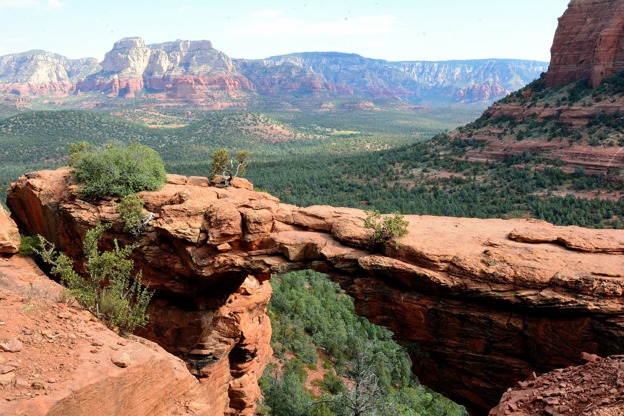
One of the best parts of dispersed camping around Sedona is how close you are to some of the area's most iconic hikes and landmarks, often just a short drive or even a walk from your campsite.
A few must-visit spots worth building into your trip:
-
Cathedral Rock: One of the most photographed formations in Sedona, with a moderate hiking trail that rewards the climb with sweeping views over the valley.
-
Devil's Bridge: A dramatic natural sandstone arch and one of the most popular hikes in the area, easily accessible from camping spots along Red Canyon Road.
-
Bell Rock: An easy-access formation that's ideal for a shorter hike or even just a scenic stop, popular for both casual walks and quiet moments taking in the scenery.
-
Chapel of the Holy Cross: A striking piece of architecture built directly into the red rock, worth a stop even if hiking isn't the plan for the day.
Beyond the well-known landmarks, the network of trails throughout this part of Coconino National Forest offers everything from short, flat walks to more demanding canyon routes, so there's something here regardless of fitness level or how much time you have. Many of these trailheads sit close enough to the forest roads covered earlier that you can genuinely hike straight from your site without needing to drive anywhere first.
For campers who want a change of pace from hiking, the area also supports mountain biking, photography, and stargazing, all of which take full advantage of the same red rock scenery that makes Sedona worth visiting in the first place.
A Scenic Detour Along Oak Creek
If you have an extra day built into your trip, a drive along Oak Creek Canyon is one of the better detours from your campsite. Highway 89A follows the creek north out of town toward Flagstaff, winding through a canyon lined with cottonwoods and towering canyon walls that feel like a completely different landscape from the high desert forest roads you've been camping on.
A few highlights worth stopping for:
-
Swimming and wading spots: Several points along the creek offer natural swimming holes, popular with both locals and visitors looking to cool off during the hotter months.
-
Trout fishing: Oak Creek is stocked with trout in season, and there are a handful of accessible spots along the banks where anglers set up for the day.
-
Picnic areas: Multiple pull-offs along the drive have picnic tables shaded by the canyon walls, making it an easy lunch stop on the way up or back.
-
Slide Rock State Park: One of the more popular stops along the route, known for its natural rock slides carved into the creek bed.
If you'd rather head the opposite direction, south of Sedona toward Page Springs offers a quieter alternative, with a fish hatchery, a handful of wineries, and easy access back to Cottonwood if you need supplies or want a change of scenery from camping for an afternoon.
For those looking for another free camping option beyond the forest roads covered earlier, Lawrence Crossing sits along this same corridor and is worth checking out if you want a change of scenery without straying too far from Sedona proper.
Between the canyon drive, the creek access, and the option to swing through Page Springs, this detour rounds out a dispersed camping trip nicely, especially on a day when you want something a little different from hiking and forest roads.
Ready to Plan Your Sedona Adventure?
Dispersed camping around Sedona is one of the few ways left to experience Arizona's red rock country without a fee, a reservation, or another campground's fence line boxing in the view. Whether you post up along Red Canyon for easy access to Devil's Bridge, chase sunrise views from Schnebly Hill Vista, or tuck into a shaded spot off Loy Butte Road, the payoff is the same: quiet nights under some of the darkest skies in the Southwest and red rock scenery that never gets old.
Book your RV and experience one of the best destinations the Southwest has to offer.