How Long Does It Take to Drive Route 66?
- Road Trip
You've heard the old saying, "It's about the journey, not the destination." This phrase encapsulates Route 66 in a nutshell. The beauty and joy of this All-American trip lie between the start and finish. So, how long does it take to drive Route 66? It’s one of the most common questions travelers ask when planning this legendary road trip. The short answer: while you could technically drive the entire route in just over 36 hours of pure wheel time, that’s not how this journey was meant to be experienced.
Stretching roughly 2,400 miles across eight states, Historic Route 66 runs from Chicago to the Santa Monica Pier at its western end. Known as the “Mother Road,” this iconic highway crosses major cities, quiet stretches of small-town America, desert landscapes, and mountain ranges before reaching the Pacific Coast. But when people ask this question, what they’re really asking is how much time they should set aside to experience it properly.
Because Route 66 isn’t just about getting from east to west. It’s about the roadside attractions, neon signs, classic diners, and unexpected stops you discover en route. It’s about driving portions of the old route and original road where possible, stepping onto historic main street districts, and taking the time to explore beyond the paved road.
Whether you’re planning a focused 8–10 day trip or setting aside at least two weeks for a more enriched journey, your timeline will shape the experience. In this guide, we’ll break down realistic drive times for the entire length of Route 66 and help you decide how much time makes sense for your schedule, travel style, and goals -- and if you want a truly customized travel plan, try our AI Road Trip Tool!
How Long Does It Take to Drive Route 66?
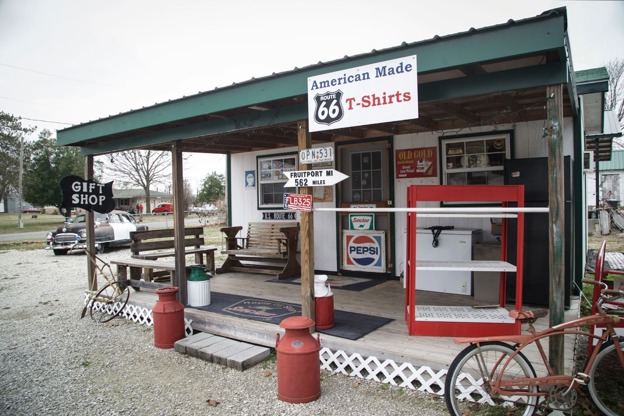
If you're looking for a direct answer to how long it will take to drive Route 66, here it is:
-
Nonstop drive time: Approximately 36–40 hours
-
Fast-paced trip: 8–10 days
-
Moderate trip: 11–14 days
-
Immersive experience: 15+ days
Technically, you could drive the entire route in under a week if you treated it like a cross-country sprint. But Route 66 was never meant to be rushed. Covering roughly 2,400 miles across eight states, the historic route passes through major cities like Chicago and Oklahoma City, stretches across the Texas Panhandle, winds through New Mexico, and ends at the Santa Monica Pier in California. Simply following the interstate highway system won’t give you the full experience.
While parts of the original route have been replaced or officially decommissioned, much of Historic Route 66 still exists as a two-lane highway running parallel to modern roads. To travel the entire length, you’ll often leave the interstate and follow older paved road segments through small towns, downtown districts, and stretches of open country.
So, how much time should you plan?
-
8–10 days allows you to see the main points and major highlights.
-
11–14 days gives you time to explore roadside attractions, small town America, and select detours.
-
15+ days lets you slow down, visit museums, quirky gift shops, and scenic stops like Petrified Forest National Park or even the Grand Canyon.
When planning your Route 66 road trip, the real question isn’t just how long it takes to drive Route 66 — it’s how much time you want to spend experiencing the Mother Road the way it was originally built to be traveled.
Fast-Paced Route 66 Trip (8–10 Days)
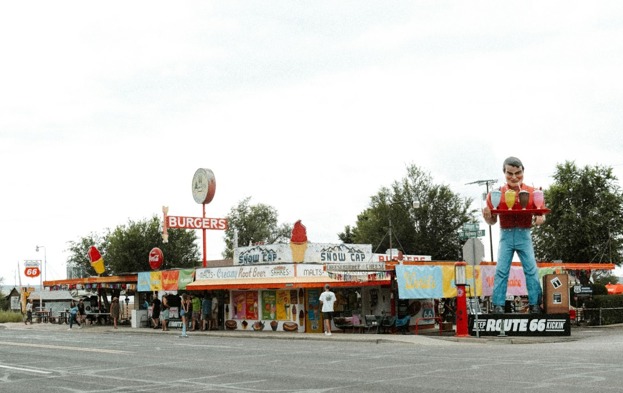
An 8–10 day Route 66 road trip is possible — but it requires intention, longer driving days, and a willingness to prioritize highlights over depth.
To cover the entire route in this timeframe, you’ll likely average 250–350 miles per day, depending on traffic, weather, and how often you stop. That means moving steadily across eight states, from Chicago in the east to Santa Monica at the western end, with limited downtime.
This pace works best for experienced road trippers who:
-
Have tight vacation schedules
-
Are comfortable spending several hours behind the wheel daily
-
Want to see major cities and iconic stops without lingering
You’ll still be able to experience key portions of Historic Route 66, including stretches of the old road and original route that run parallel to the interstate highway system. Stops might include Millennium Park in Chicago before heading west, the Blue Whale in Oklahoma, stretches through the Texas Panhandle, and scenic desert landscapes in New Mexico and Arizona.
However, what you gain in efficiency, you sacrifice in flexibility.
With only 8–10 days, you may need to skip:
-
Longer detours to places like the Grand Canyon
-
Time exploring small towns off the main highway
-
Extended museum visits or historic downtown district walks
-
Spontaneous stops at neon signs, classic cars displays, or local gift shops
Because parts of the original road weave through city streets and smaller communities, sticking to a fast schedule can mean relying heavily on Google Maps and turn-by-turn directions just to stay on track. Add in varying speed limits, occasional construction, and stretches of two-lane highway, and drive days can feel longer than expected.
A shorter trip can absolutely be memorable. But if you’re asking for a road trip that feels relaxed rather than rushed, 8–10 days might not be the right duration.
Moderate Route 66 Road Trip (11–14 Days)
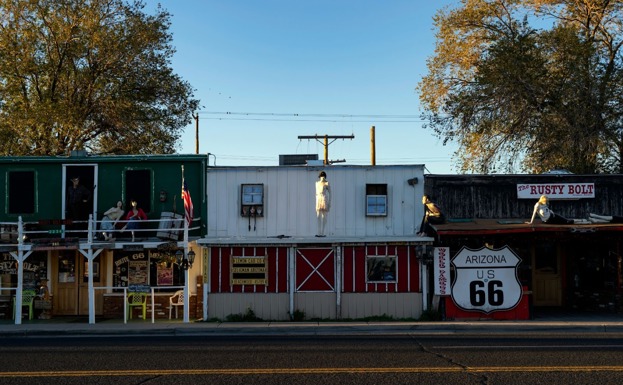
For most travelers, 11–14 days is the sweet spot for a Route 66 road trip. This timeframe offers a balanced pace — enough time to cover the entire length without feeling like you’re racing from one point to the next.
At this pace, you’ll typically drive 150–250 miles per day, which leaves room to explore beyond the highway. Instead of simply heading west and checking off major cities, you can slow down and experience the character of Historic Route 66 — the diners, free museums, restored gas stations, and classic neon signs that define the Mother Road.
With nearly two weeks, you can:
-
Spend time exploring small towns rather than just passing through
-
Walk through historic main street districts and downtown areas
-
Detour to natural landmarks like Meteor Crater or the Sandia Mountains
-
Consider side trips to places like Santa Fe or Las Vegas
-
Visit roadside attractions like the Blue Whale or Peach Springs
-
Explore stretches of the original route instead of relying entirely on the interstate highway system
This schedule also gives you flexibility if weather conditions shift — especially in northern states or desert regions where dust storms or high winds occasionally occur. It provides breathing room if you want to linger at a tourism information center, browse a gift shop, or stop for a dessert that wasn’t originally on your plan.
An 11–14 day trip allows you to experience both big cities and the quieter stretches of country between them. You’ll still reach Santa Monica Pier feeling accomplished — but not exhausted.
Immersive Route 66 Experience (15+ Days)
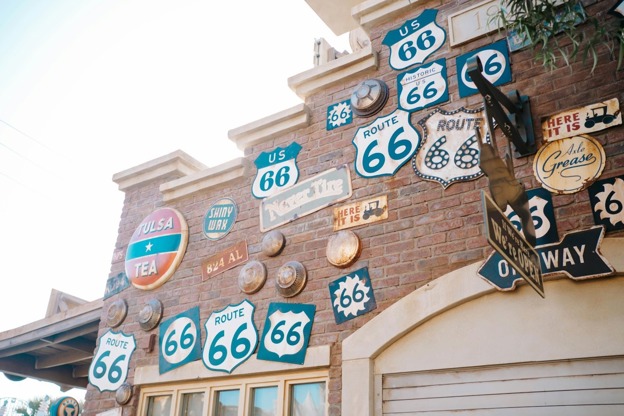
If you truly want to experience the Mother Road the way it was meant to be traveled, plan for 15+ days. This timeline transforms your Route 66 road trip from a long drive into a full exploration of the historic route and the communities that still preserve its character.
With more than two weeks, your daily mileage can drop closer to 100–200 miles per day, giving you the freedom to explore the original route instead of just the fastest paved road between points. You’ll have time to wander through small towns, explore downtown districts, and follow segments of the old route that run parallel to modern highways.
A longer trip allows you to:
-
Spend extra time in places like Taos or Gallup in New Mexico
-
Detour north to Walnut Canyon National Monument or the historic mining town of Jerome
-
Stop at Meteor Crater without feeling rushed
-
Visit Peach Springs and learn about its history along the historic Route 66 corridor
-
Take photos at the Santa Monica Pier when you reach the western end
-
Explore smaller museums, roadside attractions, and restored gas stations along the entire route
This slower pace also gives you time to appreciate the history behind the highway. Originally built in 1926 and later officially decommissioned, Route 66 became a vital artery during the Dust Bowl and World War II. It carried families west in search of opportunity and helped shape modern road trip culture in America.
When you’re not watching the speed limit or calculating how much time remains in the day, you notice more — the neon signs lighting up at dusk, classic cars parked outside diners, and the subtle differences between each town along the route.
An immersive 15+ day journey doesn’t just cover the entire length of Route 66. It allows you to experience its history, culture, and landscape in a way that feels intentional rather than hurried.
What Affects Your Route 66 Drive Time?
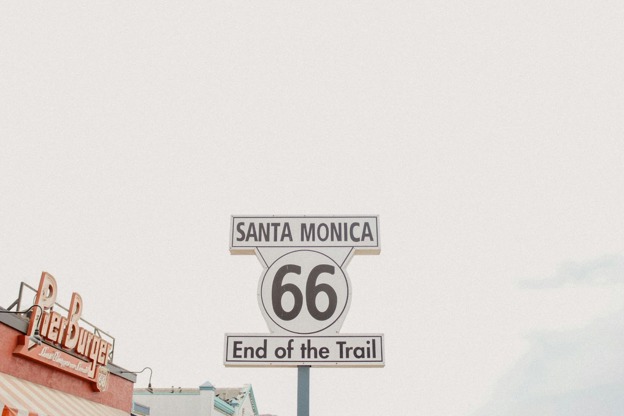
Even once you choose between 8–10 days, 11–14 days, or 15+ days, several factors will influence how long your Route 66 road trip actually takes. The entire route may be mapped out, but your real-world timeline depends on how you travel and what you choose to explore.
Attractions and Detours
The biggest variable is how often you stop. Route 66 is famous for its roadside attractions — from the Blue Whale in Oklahoma to restored gas stations and classic neon signs scattered across small towns. Add in larger detours like the Grand Canyon, Petrified Forest National Park, or Meteor Crater, and your schedule can quickly expand.
Many travelers also choose to visit Santa Fe, Las Vegas, or explore stretches through the Texas Panhandle that aren’t directly on the original route but add depth to the trip. Every side excursion adds time — sometimes a few hours, sometimes a full day.
Traffic and Urban Areas
Route 66 passes through major cities, and driving through city streets, navigating downtown districts, and dealing with urban traffic can slow progress significantly compared to open country stretches.
In contrast, rural portions of the two-lane highway may have lighter traffic but lower speed limits, especially through preserved historic districts.
Weather and Seasonal Travel
Weather also plays a role, particularly across northern states or desert regions. Summer heat in Texas, New Mexico, and Arizona can make long drive days tiring. Spring winds or dust storms across the plains may reduce visibility. Winter weather in the east can slow early segments of the trip.
Planning for seasonal conditions ensures you’re not overestimating how much ground you can realistically cover each day.
Travel Style
Your vehicle choice impacts pacing. Following the original road often requires leaving the interstate highway system and navigating smaller paved road segments. While Google Maps and turn-by-turn directions help, some travelers prefer taking their time on these historic stretches.
Road trippers in an RV may naturally move at a steadier pace, allowing more time for sightseeing and overnight flexibility. Others in compact vehicles may prioritize covering more miles in a single day.
Overnight Stays and Rest Days
Finally, your lodging approach affects your timeline. Frequent hotel check-ins can eat into afternoon exploration time. Longer stays in a single town allow deeper exploration but reduce mileage for the day.
Many travelers discover that building in occasional rest days — especially on a trip that spans eight states and thousands of miles — makes the experience more enjoyable overall.
When estimating how long it will take to drive Route 66, remember that the entire length isn’t just measured in miles. It’s measured in how often you pause, explore, and experience what makes this historic route meaningful.
Why Route 66 Shouldn’t Be Rushed
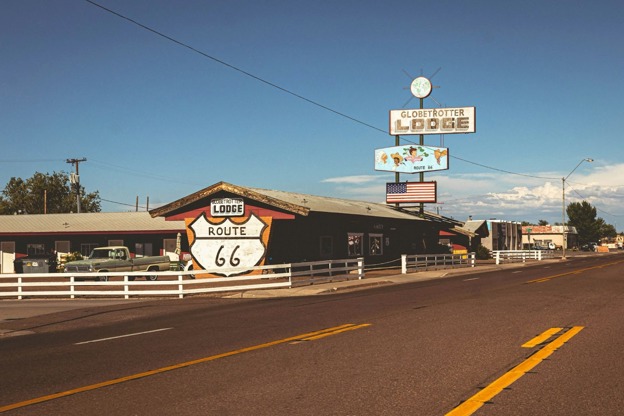
Route 66 was never meant to be a fast highway. Long before the interstate highway system connected the country with high-speed corridors, this historic route served as a primary artery across America. Originally built in 1926 and later officially decommissioned, it evolved into a symbol of freedom, migration, and exploration.
Rushing from point to point often means bypassing what makes this route unique:
-
Walking through historic main street districts in small towns
-
Visiting roadside attractions that feel frozen in time
-
Spotting restored neon signs glowing at dusk
-
Pulling off the highway for a local diner instead of a chain restaurant
-
Taking photos along stretches of original road that still follow the old route
Historic Route 66 passes through major cities, open desert, plains shaped by Dust Bowl history, and mountain landscapes in New Mexico and Arizona. Each region has its own character. Driving 300 miles a day just to reach the next stopping point can turn what should be a meaningful road trip into a logistical exercise.
Slowing down allows you to notice the details — the murals in a downtown district, the restored gas stations, the classic cars parked outside a small-town museum, or the quiet stretches of two-lane highway that remind you how travel once felt.
The entire route spans eight states and thousands of miles. Trying to rush across it can make those miles blur together. Giving yourself time — whether that means at least two weeks or even longer — transforms the trip into something far more memorable.
Route 66 isn’t about efficiency. It’s about perspective. The more breathing room you build into your plan, the more the journey becomes the destination.
Planning Your Route 66 Trip with Cruise America
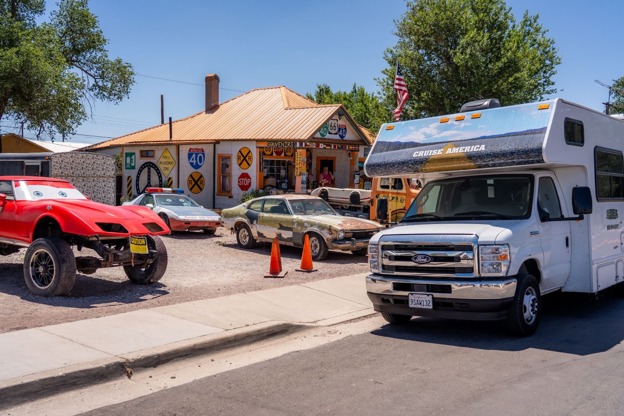
When deciding on a Route 66 trip, your vehicle choice plays a bigger role than many travelers expect. Covering the entire route across eight states requires more than just mileage planning — it requires flexibility.
That’s where an RV can change the experience.
RV Flexibility
Unlike a tightly scheduled hotel-based trip, traveling in an RV allows you to adjust your pace as you go. If you find yourself wanting more time in a small town along the historic route, you’re not locked into a rigid check-in schedule. If weather shifts or an exciting detour adds extra hours, you have the freedom to adapt.
Built-In Lodging
One of the biggest time variables on a Route 66 road trip is lodging logistics. Booking, checking in, unpacking, and repacking every night can eat into valuable exploration time.
With built-in lodging, your accommodations travel with you. That means fewer time constraints, more spontaneous stops at roadside attractions, and easier overnight planning across small towns and major cities alike.
Explore More of the Route
Cruise America makes it easier to experience the full historic Route 66 journey without worrying about daily hotel reservations dictating your mileage. Instead of rushing to reach the end, you can focus on enjoying the open road at your own pace.
If you’re looking for more planning inspiration, explore our other Route 66 guides, including breakdowns of key stops, scenic highlights, and trip planning resources to help you make the most of your journey. If you're ready to get going, book an RV today!