An 8-Day Route 66 Trip Overview
- Road Trip
- get inspired
This 8-day Route 66 trip covers one of the most iconic and story-rich portions of the historic route, taking travelers from downtown Chicago through the heart of the Midwest and into the Texas Panhandle. Often referred to as the eastern backbone of Route 66, this stretch blends major cities, rural landscapes, and preserved sections of the original route that still feel frozen in time.
Unlike later desert stretches, this portion of the Route 66 road trip is deeply tied to American migration, commerce, and early automobile culture. It’s where the national highway first took shape as a lifeline for families, farmers, and small businesses, especially during the Dust Bowl era.
At-a-Glance: What This Historic Route Segment Includes
-
Start point: Chicago, Illinois
-
End point: Amarillo, Texas
-
States covered: Illinois, Missouri, Kansas, Oklahoma, Texas
-
Driving focus: Main route + preserved old route segments
-
Travel style: Balanced road trip pacing with daily sightseeing
-
Best for: Travelers who want a meaningful slice of the entire route without rushing the whole trip
Chicago to Amarillo Sets The Tone For The Trip
The first half of the Route 66 experience sets a good pace and dives directly into all the nostalgia built over the last 100 years. Daily drive times are manageable, which leaves room to explore small towns, stop at classic diners, and seek out memorable roadside attractions.
Key highlights along this stretch include:
-
Restored gas stations and motor courts that reflect early highway travel
-
Historic bridges and preserved road alignments from the original route
-
Walkable main street districts filled with murals, museums, and diners
-
A mix of major cities and quiet rural areas that show Route 66’s full personality
This balance makes the journey feel immersive without becoming exhausting, especially for RV travelers who want flexibility at the end of each day.
Route 66 Context Travelers Should Know
-
Route 66 originally connected eight states, linking the Midwest to the Pacific Coast
-
This section reflects the highway’s role during World War II, when it supported military transport and manufacturing corridors
-
Many towns along this stretch survived because Route 66 funneled traffic directly through local economies
-
Even today, travelers often choose the old route over faster highways to experience the character of the historic route
Planning Notes for Modern Road Trippers
While Google Maps will often push drivers toward faster interstates, following Route 66’s main route reveals the cultural details that made it famous. This itinerary is designed so travelers can follow the historic alignment while still enjoying modern comforts at the end of each day.
Helpful planning tips:
-
Expect frequent photo stops — vintage signage and classic cars appear often
-
Some attractions are best enjoyed as brief stops rather than long visits
-
RV travelers can comfortably complete this section without changing accommodations nightly
-
This segment works well whether you’re driving an RV or starting your own trip with a rental car
Why This Is a Start For a Route 66 Journey
Chicago to Amarillo introduces nearly everything Route 66 is known for — history, food, architecture, and Americana — before the landscape shifts dramatically farther west. It sets the tone for the rest of the journey while standing on its own as a complete and rewarding road trip.
For travelers planning the whole trip or breaking the route into segments, this first half delivers a deep connection to the places, people, and stories that turned Route 66 into an enduring symbol of American travel.
Day 1: Chicago, IL to Springfield, IL (200 Miles)
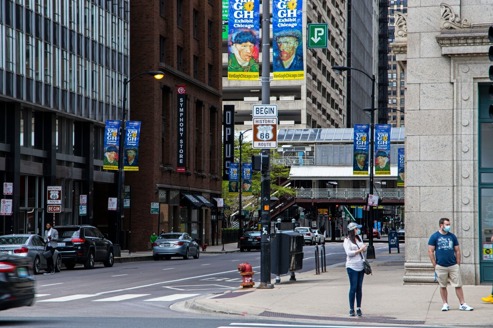
Day 1 sets the tone for your Route 66 road trip, beginning in downtown Chicago and easing travelers into the rhythm of the Mother Road. This first drive blends urban landmarks, preserved stretches of the historic route, and welcoming Illinois small towns that helped define early American road travel.
Rather than rushing out of the city, this day is best approached with intention. Chicago is where the entire route officially begins, and taking time here adds meaning to the whole trip ahead.
Morning: Starting Route 66 in Chicago
Your journey begins at the iconic Route 66 Begin Sign, marking the official eastern terminus of the highway.
Don’t miss before leaving Chicago:
-
The Route 66 Begin Sign photo stop
-
Nearby architecture and public art near downtown Chicago
-
A short walk near the Art Institute area, where early Route 66 travelers once passed through city streets
Why it matters:
This section of the original route reflects how Route 66 once threaded directly through major cities, long before bypasses and interstates redirected traffic.
Optional Detour: Pullman National Historical Park
Before fully committing to the drive, Pullman National Historical Park offers insight into the industrial roots that shaped early highway travel.
Quick facts for road trippers:
-
Pullman was a model company town
-
Its labor history influenced federal transportation policy
-
It reflects how the federal government shaped early urban development
This stop adds historical depth without taking much time - ideal for travelers easing into their road trip.
Midday Stops: Pontiac, Illinois
Pontiac is one of Illinois’ most celebrated Route 66 towns, known for its murals, museums, and walkable main street.
Things worth stopping for:
-
Colorful Route 66 murals
-
Local gift shop options and small museums supporting local businesses
Pontiac is a prime example of how towns adapted to Route 66 tourism after the interstate era, leaning into preservation rather than speed.
Food Stops Along the Way
Breakfast Option:
-
Lou Mitchell’s Diner - a classic Illinois stop where hearty portions cost only a few dollars, echoing early roadside dining culture
Dinner Option:
-
Ariston Café - one of the oldest continuously operating Route 66 restaurants
-
Known for comfort food, family recipes, and decades of highway history
These stops reflect how food became part of the Route 66 experience, not just fuel for the drive.
Evening Arrival: Springfield, Illinois
Springfield offers a relaxed end to your first day on the Mother Road, with history layered throughout the city.
Evening highlights:
-
Abraham Lincoln–related sites scattered around downtown
-
Easy navigation and walkable streets
-
A calm contrast to Chicago’s energy
Overnight Stay:
-
A comfortable RV park option with full hookups, green space, and easy access to town
This is a great place to settle in, review the day, and prepare for crossing into Missouri the next morning.
Route 66 Day 1 Quick Facts
-
Illinois preserves more original Route 66 mileage than any other state
-
Many early Route 66 alignments still follow city streets, not highways
-
Day 1 balances history, food, and short driving distances
-
Ideal pacing for the first leg of a multi-day route experience
Day 2: Springfield, IL to St. Louis, MO to Rolla, MO (180 Miles)
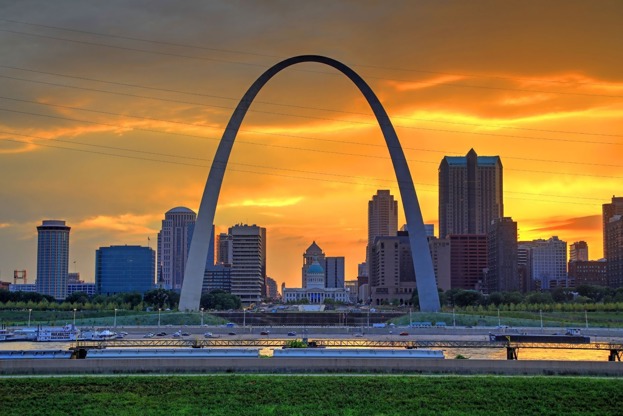
Day 2 moves you deeper into the historic route, transitioning from Illinois into Missouri, a state many enthusiasts consider the heart of Route 66. This stretch combines urban landmarks, preserved roadside relics, and scenic Ozark landscapes, making it one of the most varied days of the Route 66 road trip.
While the mileage is shorter than on other days, the number of meaningful stops makes this a day best enjoyed without rushing.
Morning in Springfield: A Smooth Start
Begin the day with a relaxed breakfast before leaving Illinois behind.
Morning highlights:
-
Charlie Parker’s Diner, known for oversized pancakes and classic diner charm
-
Easy access back onto the main route of Route 66
-
One last chance to explore Springfield’s historic streets before crossing the Mississippi River
This calm start helps balance the activity-heavy afternoon ahead.
Crossing the Mississippi River via the Chain of Rocks Bridge
One of the most iconic moments of the entire route comes when you cross the Mississippi River using the historic Chain of Rocks Bridge.
Why this stop matters:
-
Built in the 1920s as part of the original route
-
Famous for its unusual 22-degree bend in the middle
-
Once carried traffic straight into Missouri before being closed to vehicles
Today, the bridge is pedestrian-only, allowing travelers to walk part of Route 66 itself!
St. Louis Highlights: City Meets Route 66
St. Louis represents how Route 66 once passed directly through major cities, blending long-distance travel with urban life.
Must-see stops:
-
Gateway Arch National Park - a quick visit offers sweeping river views and historical context
-
Riverfront walking paths that follow historic transportation corridors
Classic Route 66 Treat:
-
A legendary stop known for ultra-thick frozen custard
-
Perfect for a midday break and a taste of Route 66 nostalgia
This portion of the trip highlights how food, travel, and city life intersect along the national highway.
Exploring Route 66 State Park
Before heading west, detour into Route 66 State Park, located along the Meramec River.
What you’ll find here:
-
Scenic trails and river overlooks
-
Exhibits focused on Missouri’s Route 66 legacy
-
Preserved roadside structures and interpretive signage
This park offers a quieter contrast to St. Louis and reinforces why Missouri is so beloved among Route 66 travelers.
Route 66 Gas Stations & Roadside Stops
Missouri is known for preserving roadside infrastructure that once kept travelers moving.
Along this stretch, watch for:
-
Restored gas stations with vintage signage
-
Old service buildings repurposed as museums or cafés
-
Roadside pull-offs ideal for photos and quick breaks
These stops may seem small, but they reflect how Route 66 supported local businesses long before chain travel centers existed.
Evening Arrival in Rolla, Missouri
As the landscape becomes more rural, Rolla provides a peaceful end to Day 2.
Why Rolla works well overnight:
-
Located near the Ozarks, setting up a scenic Day 3
-
Easy access to historic Route 66 alignments
-
Convenient RV park options with full hookups and quiet surroundings
This stop allows travelers to rest without backtracking or pushing too far west.
Route 66 Day 2 Quick Facts
-
Missouri contains some of the best-preserved sections of the old route
-
The Chain of Rocks Bridge is one of Route 66’s most photographed landmarks
-
St. Louis showcases how Route 66 once moved directly through urban centers
-
This day blends city sights, roadside history, and natural scenery
Day 3: Rolla, MO to Joplin, MO to Tulsa, OK (180 Miles)
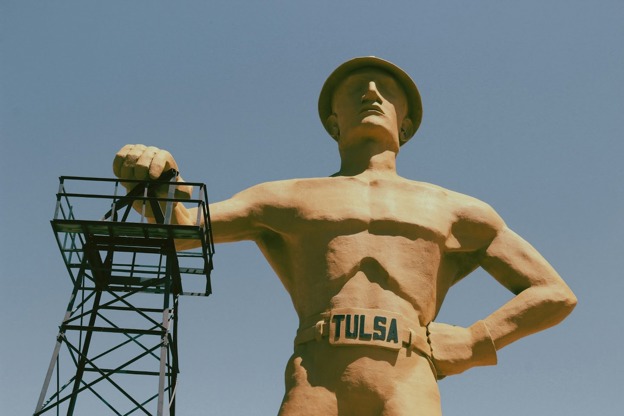
Day 3 is where the Route 66 road trip begins to feel more playful and distinctly western. This stretch blends forested Ozark scenery with quirky roadside stops, short detours through small towns, and the transition into Oklahoma, a state that proudly embraces its Route 66 identity.
Although the drive is relatively short, the variety of attractions makes this one of the most memorable days of the entire trip.
Morning in the Missouri Ozarks
Leaving Rolla, the road winds through rolling hills and wooded landscapes that feel far removed from interstate travel.
Breakfast stop:
-
A low-key local favorite where classic breakfasts still cost a few dollars
-
Popular with locals and travelers alike
This stretch reminds travelers that Route 66 once connected rural areas just as much as it linked major cities.
Meramec Caverns
A short drive from Rolla brings you to Meramec Caverns, one of the most heavily promoted attractions along the Mother Road.
Why Meramec Caverns became legendary:
-
Actively advertised to travelers beginning in the 1930s
-
Marketed as a must-see stop along the historic route
-
Served as an example of early Route 66 tourism marketing
The caverns show how roadside attractions evolved to pull drivers off the road — a strategy still used along the route today.
Joplin, Missouri & the Kansas Route 66 Stretch
After passing through Joplin, travelers briefly enter Kansas — home to the shortest Route 66 segment in the country.
Kansas Route 66 highlights:
-
Just 13 miles long
-
Dense with historic markers and restored buildings
-
A perfect example of how Route 66 touched many states, even briefly
Galena, Kansas: A Quirky Roadside Attraction
Galena is home to one of the most beloved stops on the entire route: Cars on the Route.
Why travelers stop here:
-
Rusted tow trucks and classic cars displayed outdoors
-
Inspiration for Tow Mater in Pixar’s Cars
-
A fun gift shop and photo-friendly parking lot.
This stop captures the playful side of Route 66 and shows how pop culture keeps the mother road relevant for new generations.
Crossing Into Oklahoma
Oklahoma contains one of the longest remaining drivable sections of Route 66, making it a highlight for serious road trippers.
What changes after crossing the state line:
-
Longer preserved stretches of the original route
-
More frequent neon signage and roadside icons
-
Strong community pride around Route 66 heritage
This is where Route 66 starts to feel less Midwestern and more Old West in character.
Evening Arrival in Tulsa, Oklahoma
Tulsa offers a striking contrast to the small towns earlier in the day, with architecture and culture shaped by oil wealth and early 20th-century design.
Evening highlights:
-
Art Deco buildings along historic Route 66 corridors
-
Local dining and walkable districts
-
A blend of modern city life and Route 66 history
Dinner option:
-
Red Onion Café - a popular downtown spot known for creative comfort food
Overnight stay:
-
Western-themed RV park with full hookups
-
Convenient access to Route 66 alignments through the city
Route 66 Day 3 Quick Facts
-
This day includes travel through three states
-
Kansas has the shortest Route 66 section, but some of the densest history
-
Galena, KS is directly tied to Pixar’s Cars
-
Oklahoma preserves more continuous Route 66 mileage than any other state
Day 4: Tulsa, OK to Elk City, OK to Amarillo, TX (260 Miles)
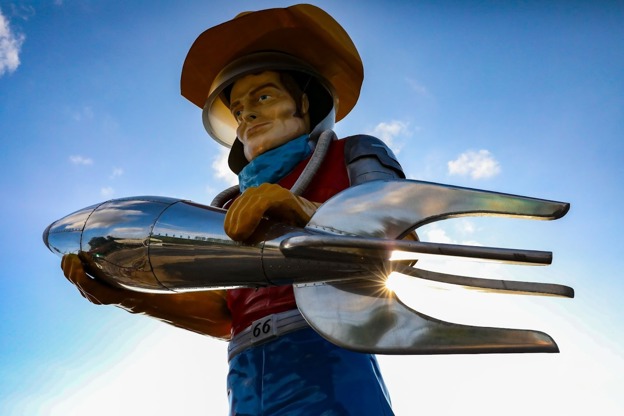
Day 4 is a classic long-haul stretch of the Route 66 road trip, defined by wide-open landscapes, iconic roadside stops, and a noticeable shift toward the American Southwest. This is the day when Route 66 feels less urban and more expansive - long horizons, quiet rural areas, and attractions that were designed to catch a driver’s eye from miles away.
Although this is the longest drive of the first half, the stops are spaced perfectly to break up the day and keep the experience engaging.
Morning in Tulsa: Fuel Up Before Heading West
Start early and enjoy one last city meal before Oklahoma’s scenery opens up.
Breakfast stop:
-
Known for oversized portions and cinnamon rolls
-
A dependable stop for travelers starting a long road trip day
Once outside Tulsa, traffic thins quickly, and the main route of Route 66 begins to feel quieter and more reflective of its early days.
Blue Whale of Catoosa
One of the most photographed stops in Oklahoma is the cheerful Blue Whale of Catoosa.
Why this stop matters:
-
A true quirky roadside attraction built purely for fun
-
Symbolizes how Route 66 businesses used creativity to draw travelers
-
Quick pull-off with an easy parking lot for photos
This stop captures the playful spirit of the Mother Road, where not every attraction needed a purpose beyond making travelers smile.
Driving Western Oklahoma: History on the Open Road
Beyond Catoosa, the landscape flattens and stretches outward - a reminder of how Route 66 once served families escaping hardship.
Route 66 context for this stretch:
-
Many travelers passed through during the Dust Bowl era
-
This section was critical for westward migration
-
Communities relied on passing traffic to survive
You’ll encounter remnants of early gas stations, faded signage, and long sections where the road still closely follows the original route.
Optional Stop: Devil’s Rope Museum (McLean, TX)
Just before Amarillo, consider a quick stop at the Devil's Rope Museum.
Why travelers stop here:
-
Explores barbed wire’s role in settling the West
-
Reflects agricultural and ranching history along Route 66
-
A short visit that adds depth without slowing the day
This stop reinforces how Route 66 connected not just cities, but working landscapes across the plains.
Entering Texas: Amarillo and Route 66 Legends
Crossing into Texas signals the end of the first half of the entire trip. Amarillo stands out as one of Route 66’s most recognizable cities.
Must-see Amarillo stops:
-
Ten half-buried Cadillacs covered in graffiti
-
Visitors are encouraged to add their own mark
-
Famous for its oversized steaks and Route 66 flair
-
A celebratory meal to mark reaching the halfway point
These attractions highlight how Amarillo embraced Route 66 tourism with bold, unforgettable statements.
Overnight in Amarillo
Accommodation:
-
Well-equipped RV park with pool, pet areas, and easy highway access
Amarillo works especially well as a midpoint because it offers enough attractions to justify staying more than one night, while also positioning travelers perfectly for the Southwest-heavy second half of the journey.
Route 66 Day 4 Quick Facts
-
Blue Whale of Catoosa is one of the most recognizable Route 66 icons
-
Amarillo marks a natural midpoint for the whole trip
-
This stretch emphasizes open-road driving and roadside Americana
Route 66 Road Trip: Amarillo to Santa Monica — Days 5 - 8
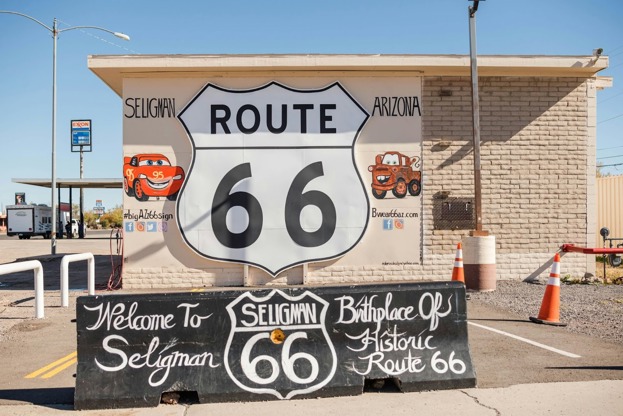
The second half of the Route 66 road trip marks a dramatic shift in scenery, culture, and driving experience. Leaving Amarillo, travelers move beyond the plains and into the Southwest — where desert landscapes, neon-lit towns, and iconic roadside Americana define the journey all the way to the Pacific Ocean.
This portion of the historic route feels more cinematic, with longer uninterrupted drives, bold roadside landmarks, and some of the most photographed locations along the Mother Road. It’s also where Route 66 begins to feel less agricultural and more adventurous, echoing the spirit of the Old West.
Halfway Point Callout: What Amarillo Represents on Route 66
Amarillo, Texas is widely considered the natural halfway point of Route 66.
Why this matters for travelers:
-
Marks the transition from Midwest plains to Southwestern desert
-
Signals a change in architecture, food, and roadside culture
-
Serves as a logical reset point for pacing, supplies, and rest
-
A popular place to pause before continuing the entire trip
Many travelers choose Amarillo as a place to:
-
Decide whether to add a side trip (such as canyon or desert detours)
-
Restock groceries or visit a food hall like Mother Road Market in nearby Oklahoma later on
-
Adjust plans for longer drives ahead
What Changes After Amarillo
After leaving Amarillo, travelers can expect:
-
Fewer major cities and more wide-open landscapes
-
Increased presence of neon signs, vintage motels, and classic diners
-
Longer preserved stretches of the old route
-
A stronger emphasis on destination-style stops rather than frequent towns
This shift is part of what makes Route 66 feel like multiple journeys within one road trip.
What the Second Half of Route 66 Is Known For
This western stretch delivers many of the moments travelers picture when they imagine Route 66.
Highlights commonly associated with the second half include:
-
Southwestern culture and cuisine influenced by New Mexico
-
Desert scenery and striking natural wonders
-
Famous roadside icons and photo stops
-
Fewer detours, but bigger visual payoffs
While Part 1 focuses on how Route 66 connected communities, Part 2 emphasizes how the highway carried travelers toward possibility, reinvention, and the open horizon.
Planning Notes for the Western Route 66 Portion
Because distances grow longer and services spread out, planning becomes more important in the second half of the journey.
Helpful considerations:
-
Fuel stops may be farther apart than in the past
-
Many attractions are best enjoyed as short, intentional stops
-
RV travelers benefit from planning overnight locations in advance
-
This section rewards travelers who slow down and explore beyond the fastest Google Maps route
This half of the route invites travelers to lean into the journey rather than rush toward the finish.
Day 5: Amarillo, TX to Tucumcari, NM to Albuquerque, NM (290 Miles)

Day 1 of the western half of the journey introduces travelers to the Southwest, where the historic route begins to feel more open, colorful, and distinctly cinematic. This stretch through New Mexico is known for long drives, glowing neon signs, and towns that fully embraced Route 66 tourism rather than being bypassed by it.
While the mileage is longer, the road is smooth and scenic, making this a satisfying driving day on the Mother Road.
Morning Departure: Leaving Amarillo Behind
Start early to take advantage of cooler temperatures and quieter roads.
Before hitting the road:
-
Top off fuel before leaving the city
-
Grab breakfast at a local diner or café
-
Expect long, uninterrupted stretches ideal for relaxed driving
As Amarillo fades in the rearview mirror, the landscape transitions quickly from plains to open desert, signaling a new chapter of the route.
Tucumcari, New Mexico: Neon Capital of Route 66
Tucumcari is one of the most beloved Route 66 towns in the Southwest and a must-stop destination for road trippers.
Top things to do in Tucumcari:
-
Walk or drive past Route 66 murals celebrating travel history
-
Photograph vintage motel signage at golden hour
-
Browse small museums and a local gift shop or two
Iconic Stop: Blue Swallow Motel
No visit to Tucumcari is complete without stopping at the legendary Blue Swallow Motel.
Why it’s famous:
-
Opened in 1939 and listed on the National Register of Historic Places
-
Known for its glowing neon swallow sign
-
A living example of Route 66 lodging culture
Even if you’re not staying overnight, it’s worth a stop to appreciate how motels became a defining feature of the Route 66 road trip.
Roadside Americana Between Tucumcari and Albuquerque
Leaving Tucumcari, the drive becomes quieter and more expansive.
What you’ll notice along this stretch:
-
Fewer towns and more open desert
-
Long sections where the road follows the original route closely
-
Occasional roadside pull-offs are perfect for photos
This is a segment where travelers often drive past without stopping — but slowing down reveals subtle details that define Route 66.
Evening Arrival in Albuquerque
Albuquerque is one of the largest cities on Route 66 and offers a lively contrast to the small-town stops earlier in the day.
Evening highlights:
-
Central Avenue, which follows Route 66 through the city
-
Classic diners and modern restaurants side by side
-
A mix of Southwestern culture and Route 66 nostalgia
Dinner option:
-
66 Diner - a retro favorite with milkshakes, burgers, and bright neon
Overnight stay:
-
A well-equipped RV park west of the city
-
Ideal for resting before another long desert drive
Route 66 Day 5 Quick Facts
-
Tucumcari is one of the most photographed Route 66 towns
-
Neon signage is a defining feature of New Mexico Route 66
-
This day introduces desert driving and longer distances
-
Albuquerque represents a major urban stop on the western route
Day 6: Albuquerque, NM to Holbrook, AZ to Seligman, AZ (250 Miles)
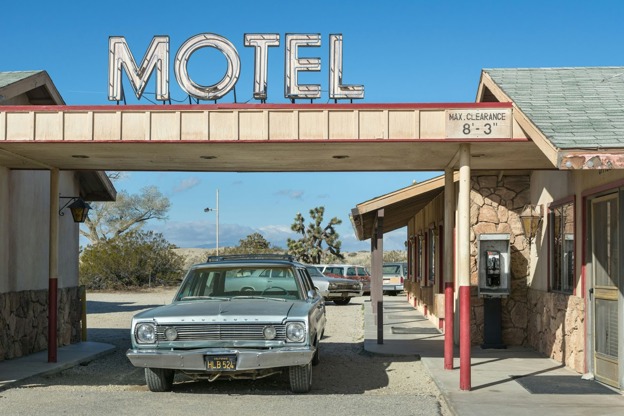
Day 6 delivers one of the most visually striking stretches of the Route 66 road trip, combining desert landscapes, ancient geology, and some of the most meaningful preservation efforts along the Mother Road. This is the day when Route 66 connects directly with natural wonders, making the drive feel both historic and otherworldly.
Although the mileage is moderate, the number of standout stops makes this a full, rewarding day on the historic route. Arizona offers some of the coolest and most unique Route 66 stops, such as Jack Rabbit Trading Post and Hackberry General Store. Taking your time along this stretch is highly recommended by travelers.
Morning in Albuquerque
Begin with a hearty breakfast and an early departure to maximize daylight in the desert.
Popular breakfast stop:
-
Frontier Restaurant - known for Southwestern staples and famous cinnamon rolls
Before leaving town:
-
Fuel up and grab water
-
Expect longer distances between services after Albuquerque
-
Plan to spend a significant portion of the day exploring, not just driving
Crossing the Continental Divide
Shortly after leaving Albuquerque, travelers cross the Continental Divide, a major geographic milestone along Route 66.
Why this matters:
-
Marks the point where water flows toward different oceans
-
Historically significant for early road builders and travelers
-
Symbolizes the transition deeper into the Southwest
This crossing adds a sense of scale to the entire trip, reminding travelers how geography shaped the original route.
Petrified Forest National Park & Painted Desert
Few places connect Route 66 to ancient history as directly as Petrified Forest National Park.
What makes this stop special:
-
Fossilized trees over 200 million years old
-
Colorful badlands of the Painted Desert
-
One of the only national parks where Route 66 once ran directly through the landscape
Recommended highlights:
-
Short walks among petrified logs
-
Scenic overlooks of the Painted Desert
-
Interpretive exhibits explaining Route 66’s alignment through the park
This stop perfectly blends the old route with deep geological time.
Midday Stop: Holbrook, Arizona
Holbrook offers a brief but worthwhile pause after leaving the park.
Why travelers stop here:
-
Strong Route 66 identity
-
Vintage motels and roadside signage
-
A convenient place for lunch or fuel
Holbrook reflects how Route 66 towns adapted to tourism after being bypassed by interstates.
Afternoon Arrival in Seligman, Arizona
Seligman holds a special place in Route 66 history as the town that helped save the highway from being forgotten.
Why Seligman matters:
-
Home of Angel Delgadillo, a key figure in Route 66 preservation
-
Lively main street packed with memorabilia, murals, and humor
-
A welcoming stop where Route 66 pride is front and center
Must-stop attraction:
-
Known for jokes, burgers, and playful service
-
A perfect example of Route 66’s personality-driven stops
Evening & Overnight in Seligman
Seligman is one of the best places on the entire route to slow down and enjoy the atmosphere.
Overnight stay:
-
Friendly RV park with mountain views
-
Walking distance or short drive to town attractions
This stop reinforces how Route 66 thrives when travelers linger rather than rush.
Route 66 Day 6 Quick Facts
-
The Petrified Forest is one of the most unique stops on Route 66
-
This day includes a major geographic milestone at the continental divide
-
Seligman played a critical role in preserving Route 66
-
The landscape begins shifting toward rugged desert terrain
Day 7: Seligman, AZ to Kingman to Oatman to San Bernardino, CA (300 Miles)
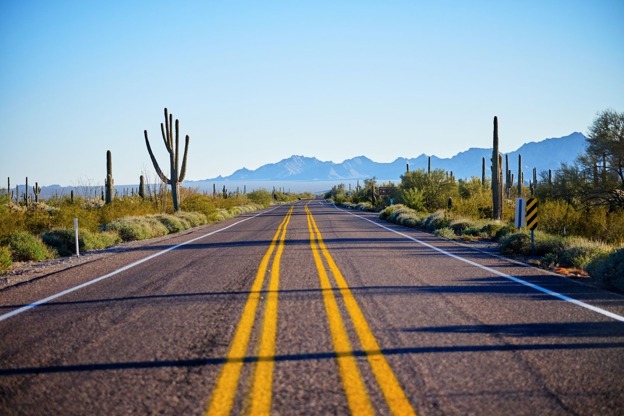
Day 7 is one of the most dramatic and story-filled segments of the Route 66 road trip, combining mountain driving, desert scenery, and some of the most famous roadside landmarks on the Mother Road. This is where Route 66 leans fully into its old west identity—winding roads, frontier towns, and long desert horizons.
The mileage is longer, but the variety of stops makes the day feel like a highlight reel of the entire trip.
Morning in Seligman
Fuel up early and enjoy Seligman while the streets are quiet.
Breakfast stop:
-
Mr. D’z Route 66 Diner (Kingman-bound travelers often stop here or later in Kingman)
-
Neon décor, comfort food, and Route 66 memorabilia
Leaving Seligman, the road closely follows the original route, offering a glimpse of how travelers once crossed northern Arizona.
Kingman, Arizona: Route 66 Hub
Kingman has long served as a crossroads town for western Route 66 travelers.
Why Kingman matters:
-
Major supply and rest stop for early motorists
-
Strong Route 66 preservation efforts
-
Convenient place for fuel, coffee, and photos
This is a good place to reset before tackling the mountains ahead.
Oatman Highway & the Wild West Experience
From Kingman, the drive along the Oatman Highway is one of the most memorable stretches of the historic route.
What makes this stretch unique:
-
Steep grades and tight curves
-
Panoramic desert and mountain views
-
A driving experience that feels unchanged from early Route 66 days
Arriving in Oatman, Arizona:
-
A former ghost town turned tourist favorite
-
Famous for wild burros roaming the streets
-
Wooden sidewalks, staged shootouts, and true wild west character
Oatman is one of the best examples of how Route 66 towns reinvented themselves to survive.
Crossing the Mojave Desert
After Oatman, the landscape opens into the Mojave Desert, one of the most visually striking portions of the route.
What to expect:
-
Long, quiet stretches of road
-
Fewer services—fuel planning is essential
-
Vast desert scenery that rewards patience
Iconic stop:
-
A legendary photo stop with vintage neon
-
A symbol of mid-century Route 66 travel culture
This stop often appears in films, commercials, and photography celebrating Route 66.
Optional Desert Detours
Depending on daylight and interest, consider a short side trip:
-
Joshua trees, volcanic formations, and wide-open desert
-
A quieter alternative to busier parks
-
Eye-catching rock formations like Skull Rock
-
Great pit-stop for hiking and bouldering
These detours highlight the natural wonders that define the western half of Route 66.
Evening Arrival in San Bernardino, California
As you leave the desert behind, the environment shifts quickly into Southern California’s inland valleys.
Dinner option:
-
Open since 1937 and deeply tied to Route 66 food history
Overnight stay:
-
Shaded RV park with easy access to city amenities
San Bernardino marks a reentry into developed areas and sets up a short final drive to the coast.
Route 66 Day 7 Quick Facts
-
Oatman Highway is one of the most challenging and scenic Route 66 drives
-
Oatman is a former mining ghost town known for wild burros
-
Roy’s Motel & Café is one of the most photographed Route 66 landmarks
-
This day represents the desert heart of the whole trip
Day 8: San Bernardino, CA to Santa Monica, CA (75 Miles)
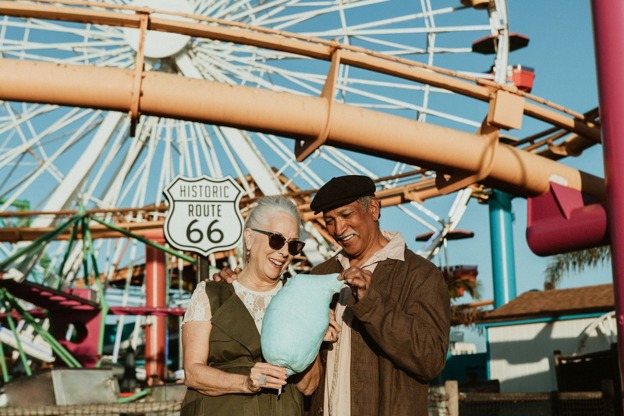
The final day of the Route 66 road trip is short in distance but rich in meaning. This stretch through Southern California carries travelers from inland valleys to the edge of the Pacific Ocean, marking the official end of the Mother Road and the completion of one of America’s most iconic journeys.
While the drive is brief, the symbolism of this day makes it one of the most memorable parts of the entire trip.
Morning in San Bernardino
San Bernardino represents the last inland city of Route 66 before the road turns toward the coast.
Before departing:
-
Grab breakfast at a classic diner or café
-
Allow extra time for city traffic
-
Expect Route 66 to blend with modern streets rather than a single marked highway
Driving Into Greater Los Angeles
As you approach Los Angeles, Route 66 becomes less about scenery and more about history layered into the modern landscape.
What travelers notice here:
-
Route 66 follows surface streets rather than open highways
-
Historic alignments are woven into today’s road network
-
Navigation often requires attention, as signage can be subtle
Using Google Maps helps confirm you’re following the correct historic alignment, even when the original route isn’t clearly marked.
Arrival at Santa Monica Pier: The End of Route 66
Reaching Santa Monica Pier marks the official conclusion of Route 66 and the emotional finish line of the whole trip.
Why this stop is iconic:
-
Home to the official Route 66 End Sign
-
Overlooks the Pacific Ocean, symbolizing westward completion
-
A gathering place for travelers celebrating the end of the journey
Must-do moments:
-
Take photos at the End of the Trail sign
-
Walk the pier and soak in the atmosphere
-
Pause to reflect on the distance covered across eight states
This moment connects modern travelers with generations who once followed Route 66 west in search of opportunity.
Celebrate the Finish in Santa Monica
After completing the drive, Santa Monica offers the perfect environment to unwind.
Ways to spend your final afternoon:
-
Relax on Santa Monica Beach
-
Explore shops and cafés near the pier
-
Enjoy a meal overlooking the water
Dinner option:
-
The Albright - a pier-side restaurant famous for being the place for celebrating the journey’s end
Optional Nature Escape Near the Finish Line
Just minutes from the pier, Santa Monica Mountains National Recreation Area offers an unexpected contrast to the urban setting.
Why it’s worth considering:
-
Coastal trails with ocean views
-
A quieter way to end the trip
-
A reminder of the natural wonders that frame California’s coastline
Route 66 Final Day Quick Facts
-
Santa Monica is the official western terminus of Route 66
-
This day completes the journey from the Midwest to the Pacific
-
The final stretch blends historic roads with modern city streets
-
The Santa Monica Pier End Sign is one of Route 66’s most photographed landmarks
Final Thoughts: Why Route 66 Is Still the Ultimate American Road Trip
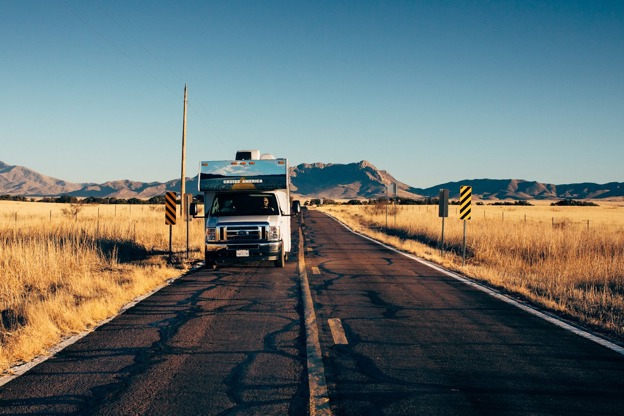
Completing a Route 66 road trip is more than just driving from point A to point B — it’s an experience that connects travelers to America’s past, landscapes, and communities in a way no interstate ever could. From downtown Chicago to the waves of the Pacific Ocean at Santa Monica Pier, Route 66 reveals the stories that shaped the country mile by mile.
Looking at journey in two halves allows travelers to experience the entire route without rushing, turning what could feel overwhelming into a well-paced, memorable road trip. Along the way, you encounter preserved stretches of the historic route, classic diners, neon-lit motels, quiet small towns, and unforgettable roadside attractions that still define the spirit of the mother road.
What Makes This Route 66 Itinerary Work So Well
-
Covers the full journey across eight states without burnout
-
Balances driving time with meaningful stops and overnight stays
-
Includes major landmarks, natural wonders, and cultural icons
-
Leaves room for flexibility, detours, and personal discovery
-
Designed to help travelers enjoy the whole trip, not just the destination
Whether you follow every stop or customize the itinerary to create your own trip, Route 66 rewards curiosity and patience. Some travelers linger in favorite towns for more than one night, others chase sunrise photos and sunset diners — but every version of the journey feels personal.
Why an RV Is the Best Way to Experience Route 66
Route 66 was built for travelers who wanted freedom, and an RV keeps that spirit alive. Traveling by RV lets you slow down when a town captures your attention, stay closer to the places you want to explore, and enjoy the journey without constantly packing and unpacking.
RV travel also makes it easier to:
-
Stay near iconic Route 66 towns and attractions
-
Adjust plans when you discover unexpected stops
-
Enjoy scenic overnights instead of rushing to hotels
-
Experience the road at your own pace
It’s a modern way to experience a historic journey — with comfort, flexibility, and room to roam. Start Your Route 66 Adventure With Cruise America.
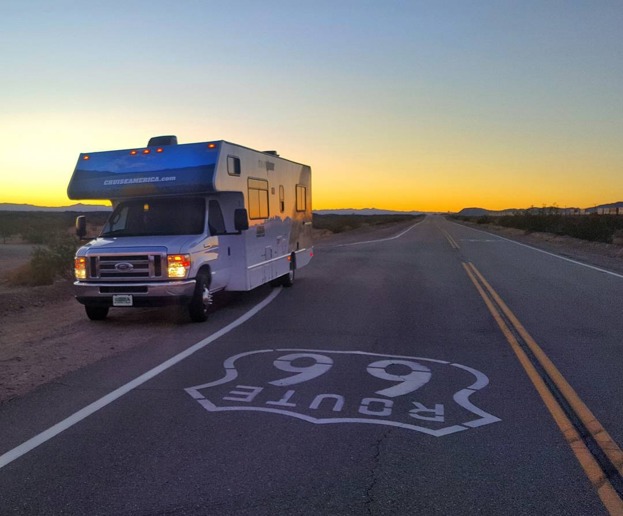
If you’re ready to experience Route 66 the way it was meant to be traveled, Cruise America makes it easy to turn this itinerary into reality. With RV rental locations across the country and one-way rental options available, you can focus on the adventure instead of the logistics.
Why travelers choose Cruise America for Route 66:
-
Convenient pickup and drop-off locations
-
RVs designed for long-distance road travel
-
Flexible rental options for multi-day itineraries
-
The freedom to explore Route 66 on your terms
Whether you’re tackling the journey in two parts or committing to the entire trip from start to finish, Cruise America helps you follow the road with confidence. Book your RV today!