
What to Know About the America 250 Celebration
- Family Friendly
- Road Trip
- get inspired
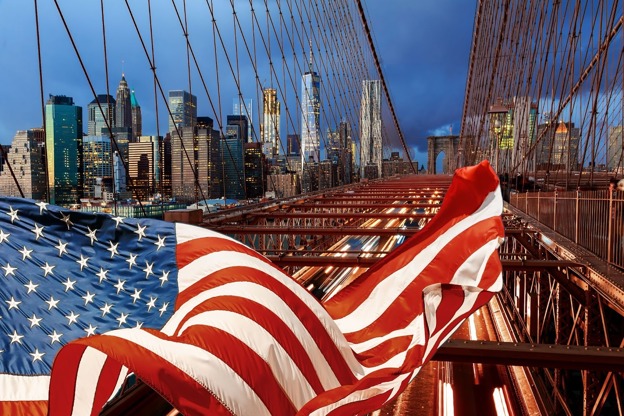
The America 250 Celebration marks one of the most significant milestones in the nation’s history—the upcoming 250th anniversary of the United States. In July 2026, the country will commemorate 250 years since the signing of the Declaration of Independence, a moment that reshaped the course of American history and established the ideals that continue to define the nation today. More than a single-day observance, this is a multi-year, nationwide effort to reflect on the nation’s past, honor its progress, and look ahead to the future.
At its core, the celebration recognizes the anniversary of the signing that declared independence from British forces and launched a bold experiment in American democracy. The Declaration’s assertion that all people are created equal, endowed with unalienable rights, remains a guiding principle for the country. As the declaration of independence marking this historic milestone approaches, Americans are being invited not just to remember history, but to actively engage with it—through education, storytelling, travel, and shared experiences.
The historic celebration is being coordinated at the national level while encouraging local participation across states, cities, and communities. Programs connected to the semiquincentennial commission emphasize efforts to educate, engage, and unite, giving people opportunities to explore how independence shaped the United States of America and how those founding ideals continue to evolve. From classrooms and cultural institutions to community gatherings and travel experiences, the goal is to help fellow Americans reflect on where the nation has been—and where it is headed.
What Is America 250?

America 250 is a nationwide initiative to commemorate independence, marking America’s semiquincentennial—the 250 years since the signing of the Declaration of Independence that established the United States of America.
At the center of the effort is the United States Semiquincentennial Commission, an organization established by Congress to guide planning and ensure the America 250 celebration is inclusive, educational, and accessible. Working alongside a national task force, state commissions, cultural institutions, and local partners, the commission helps shape programs that reach communities across the country.
The mission of America 250 focuses on three core goals:
-
Educate, engage, and unite Americans around shared history and civic ideals
-
Encourage communities to honor the nation’s past while recognizing contributions that shaped the country
-
Create experiences that spark imagination and bring American stories to life
Rather than prescribing how people should participate, America 250 is intentionally broad. Communities are encouraged to develop programs that educate, engage, and reflect their local history—whether that means lectures, exhibits, festivals, reenactments, or travel-based experiences.
America 250 is not just about history—it’s about participation:
-
Commemorating the 250th anniversary through local and national events
-
Inviting Americans to explore places connected to the signing of the Declaration and the American Revolution
-
Supporting experiences that allow people to reflect on how American democracy continues to grow
-
Recognizing individuals, places, and movements that have shaped the 250 years of America
With leadership support from the federal government, including recognition from the White House, America 250 carries national significance while remaining grounded in local storytelling.
Ultimately, America 250 invites us to think about history as something lived, not just remembered. By encouraging travel, exploration, and community engagement, the celebration helps people see how the past continues to shape everyday life—connecting personal experiences to the broader story of the country.
The Declaration of Independence and America’s Founding Story
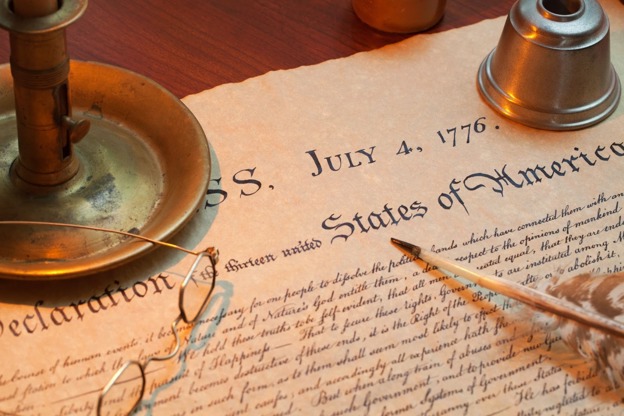
The Declaration of Independence stands at the heart of the America 250 celebration, marking the moment when the colonies formally asserted their right to self-govern and chart a new course as a nation. Adopted in July 1776, the signing of the Declaration did more than announce separation from British forces—it articulated a set of principles that continue to shape American democracy and the identity of the United States of America.
Drafted primarily by Thomas Jefferson, the document laid out ideas that were radical for their time and enduring in their influence. It proclaimed that certain truths are self-evident, that all people are created equal, and that governments exist to protect unalienable rights. These ideals fueled the American Revolution and helped define what independence would mean for generations to come.
Why the Declaration still matters today
-
It established the philosophical foundation of American history and governance
-
It reframed independence as a universal principle, not just a political break
-
It continues to guide conversations about rights, equality, and civic responsibility
The Declaration’s role in the semiquincentennial
-
Serves as the symbolic starting point for commemorating the 250th anniversary
-
Anchors national programming led by the semiquincentennial commission
-
Inspires communities to honor the ideals that established the country
Across the country, exhibits, lectures, reenactments, and other events will highlight how the declaration influenced the founding of the country and continues to inform its values. These experiences encourage Americans to reflect on how independence was established, how it has been tested, and how it can be strengthened in the years ahead.
The Semiquincentennial Commission and National Planning
Behind the scenes of the America 250 celebration is a coordinated national effort to ensure the milestone is meaningful, inclusive, and accessible. Planning for such a historic celebration requires collaboration across government, cultural organizations, and local communities—work led in part by the semiquincentennial commission and supported by partners nationwide.
Authorized by Congress, the United States Semiquincentennial Commission helps set priorities, coordinate initiatives, and encourage participation across all 50 states and U.S. territories. Rather than dictating a single narrative, the commission’s role is to provide structure and support so communities can tell their own stories within the broader framework of the 250th anniversary.
Key responsibilities of the commission include:
-
Supporting programs that educate, engage, and unite people around shared history
-
Encouraging efforts that honor the enduring strength of American ideals
-
Coordinating with state and local organizations to scale participation nationwide
Thomas Jefferson’s Role in Shaping American Independence
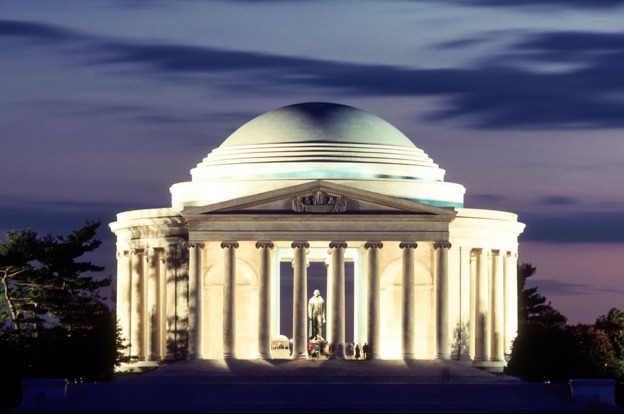
Few individuals are as closely associated with the founding ideals of the United States of America as Thomas Jefferson. As the principal author of the Declaration of Independence, Jefferson helped articulate the philosophical foundation that justified independence and shaped the direction of the new nation. His words gave voice to ideas that were already circulating—but in doing so, they unified purpose and clarified intent during a defining moment in American history.
Jefferson’s influence extended beyond authorship. The Declaration framed independence not merely as a political separation, but as a moral argument grounded in universal principles. Its emphasis on equality and natural rights provided a shared language for the colonies and strengthened resolve during the American Revolution.
Core ideas Jefferson helped define
-
The belief that certain truths are self-evident
-
The assertion that all people are created equal
-
The concept that governments exist to protect unalienable rights
These ideas were central to the signing of the declaration and remain central to the America 250 celebration today. As the anniversary of the signing approaches, Jefferson’s words continue to serve as a point of reflection—inviting Americans to consider how those ideals have been applied, challenged, and expanded over time.
Experiencing Jefferson’s legacy through place
-
Historic sites tied to early American political life, such as his home, Monticello, located near Charlottesville, Virginia
-
Museums and towns that interpret the nation’s past and founding era, such as the Jefferson Memorial or Thomas Jefferson's retreat, Poplar Forest
-
Educational programs that explore the Declaration’s lasting influence, such as Independence Hall in Philadelphia
By encountering Jefferson’s legacy in real places—rather than only in books—travelers gain a deeper appreciation for how ideas helped shape the country. These experiences underscore why the America 250 milestone is not just about honoring the past, but about reflecting on how those founding ideals continue to guide the future.
The White House and National Recognition of America 250
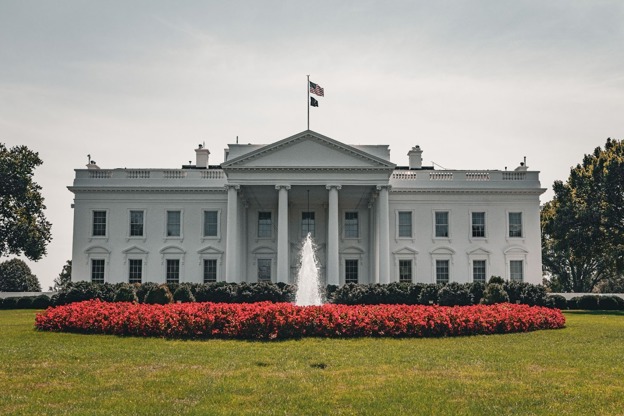
National recognition of the America 250 celebration underscores the importance of the milestone and signals that the semiquincentennial is a shared priority across the country. Support from the White House elevates the commemoration beyond individual programs, framing it as a moment for collective reflection and civic engagement across the United States of America.
This recognition helps align federal messaging with the broader goals of America 250—encouraging participation, reflection, and unity. By acknowledging the milestone at the highest level of government, the celebration reinforces the enduring relevance of independence and the ideals articulated in the Declaration of Independence.
What national recognition helps achieve
-
Affirms the historic celebration as a once-in-a-generation moment
-
Encourages collaboration across agencies within the federal government
-
Supports efforts to educate, engage, and unite communities nationwide
With leadership from Washington, America 250 initiatives gain visibility and momentum. That visibility helps local organizers secure support, plan meaningful events, and invite broader participation—from educational programming to community gatherings that honor the enduring strength of American ideals.
Celebrating the 250th Anniversary Through Travel

One of the most powerful ways of celebrating the 250th anniversary is by experiencing history where it actually happened. The America 250 celebration encourages Americans to move beyond static exhibits and engage with the nation’s history through travel—visiting landmarks, landscapes, and communities that tell the story of independence in tangible ways.
Travel has always played a role in how Americans connect with their past. From Revolutionary War battlefields to preserved colonial towns and national monuments, these places transform abstract ideas into lived experiences. As the anniversary of the signing approaches, road trips and extended journeys offer a meaningful way to reflect on the nation’s past while creating new memories rooted in shared heritage.
Why travel is central to the America 250 experience
-
It brings American history to life through real places and stories
-
It allows travelers to explore multiple regions tied to the American Revolution and significant American moments
-
It supports community-led events and other events connected to the milestone
The semiquincentennial is intentionally designed to be experienced across the country, not in a single city. From historic courthouses and coastal ports to inland trails and national parks, the celebration invites people to see how independence shaped every corner of the United States of America. These journeys also highlight how local communities continue to honor the ideals established in 1776.
Turning travel into reflection
-
Visiting sites connected to the signing of the declaration
-
Attending local programs that commemorate the 250th anniversary
-
Exploring landscapes that shaped early American life and expansion
By encouraging exploration, the America 250 celebration reinforces the idea that history belongs to everyone. Traveling during the semiquincentennial isn’t just about where you go; it’s about how those places help you reflect on independence, community, and what it means to move forward together as a nation.
Places Worth Seeing During America 250
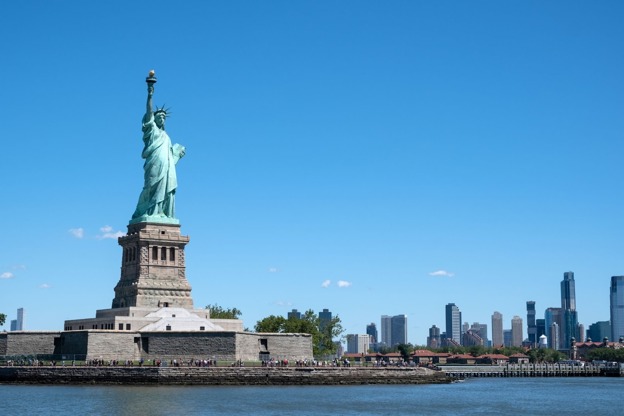
Founding Fathers & the Birth of the Nation
-
Independence Hall (Philadelphia, PA)
The birthplace of the Declaration of Independence and the U.S. Constitution, where the nation’s founding ideas were formally debated and adopted. -
Liberty Bell (Philadelphia, PA)
A powerful symbol of American independence and liberty, long associated with freedom movements. -
Monticello (Charlottesville, VA)
Thomas Jefferson’s home, reflecting Enlightenment ideals that shaped the nation’s founding philosophy. -
Mount Vernon (Mount Vernon, VA)
George Washington’s plantation, offering insight into the life and leadership of America’s first president. -
Colonial Williamsburg (Williamsburg, VA)
A restored colonial capital where visitors experience daily life during America’s founding era. -
Boston Freedom Trail (Boston, MA)
A trail connecting key sites that sparked the American Revolution. -
Federal Hall (New York, NY)
Site of George Washington’s first presidential inauguration. -
Independence National Historical Park (PA)
A collection of landmarks central to the nation’s founding story. -
Hammond-Harwood House (MD)
An example of colonial-era architecture tied to early American leadership. -
St. Paul’s Chapel (NY)
The oldest surviving church building in Manhattan, dating back to colonial America. -
Annapolis
Served briefly as the capital of the United States following the Revolutionary War.
Revolutionary War Landmarks
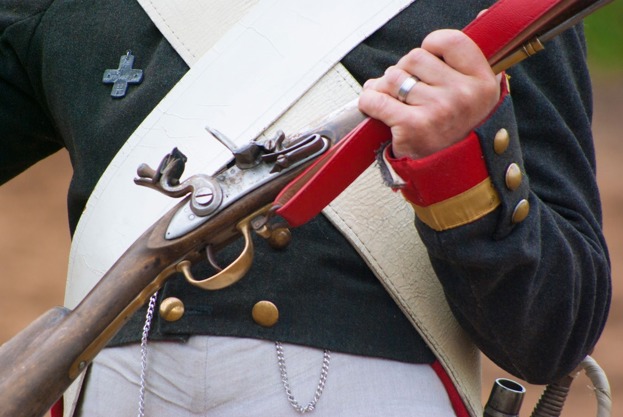
-
Yorktown Battlefield
Site of the decisive battle that effectively ended the Revolutionary War. -
Saratoga National Historical Park
The turning point of the war that secured French support for the colonies. -
Charleston
A major Revolutionary War port city that saw extensive military conflict. -
Lexington and Concord
Locations of the first armed confrontations of the American Revolution. -
Valley Forge
Winter camp where the Continental Army endured hardship and emerged stronger. -
Cowpens National Battlefield
Site of a pivotal American victory that shifted momentum in the South. -
Kings Mountain National Military Park
Battle where patriot militia defeated Loyalist forces, boosting American morale. -
Bunker Hill Monument
Commemorates an early battle that proved colonial forces could stand up to British troops. -
Monmouth Battlefield
Demonstrated the growing discipline of the Continental Army. -
Fort Ticonderoga
A strategic fort captured early in the war and critical to controlling key waterways.
American Expansion & National Parks
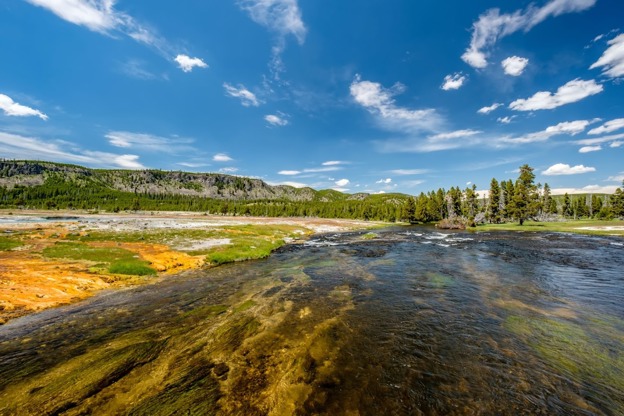
-
Yellowstone National Park
America’s first national park, symbolizing preservation during westward expansion. -
Yosemite National Park
A cornerstone of conservation and the preservation of America’s natural heritage. -
Grand Canyon National Park
A dramatic reminder of the vast landscapes encountered during westward expansion. -
Gateway Arch
Monument marking St. Louis as the “Gateway to the West.” -
Lewis and Clark National Historic Trail
Follows the path of America’s first official westward exploration. -
Great Smoky Mountains National Park
Reflects early Appalachian settlement and America’s rural heritage. -
Rocky Mountain National Park
Represents the challenge and promise of westward movement. -
Zion National Park
Showcases the landscapes encountered by pioneers heading west. -
Badlands National Park
Highlights the harsh terrain faced during western settlement. -
Sequoia and Kings Canyon National Parks
Home to the world’s largest trees, symbolizing natural preservation.
Civil Rights & Social Progress
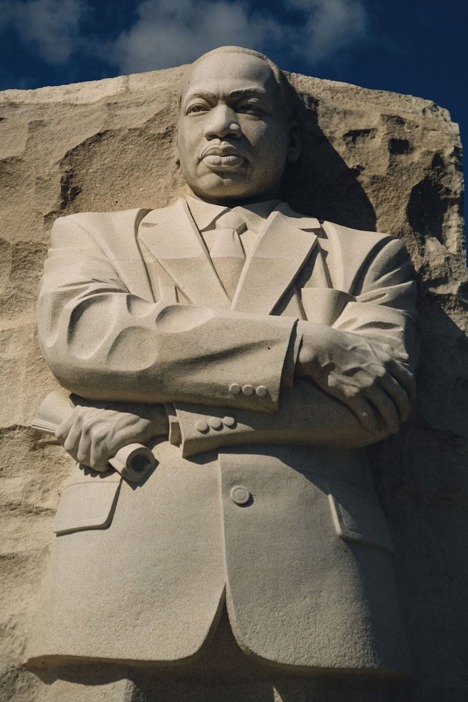
-
Edmund Pettus Bridge
Site of the Selma to Montgomery marches that advanced voting rights. -
Martin Luther King Jr. National Historical Park
Preserves the legacy and leadership of Dr. Martin Luther King Jr. -
Birmingham Civil Rights Institute
Chronicles the city’s central role in the Civil Rights Movement. -
Little Rock Central High School
Landmark in the fight to desegregate public schools. -
National Civil Rights Museum
Explores the struggle for civil rights from slavery to modern times. -
Brown v. Board of Education National Historic Site
Site tied to the Supreme Court decision ending school segregation. -
Freedom Riders National Monument
Honors activists who challenged segregation in interstate travel. -
16th Street Baptist Church
A central gathering place for civil rights activism. -
Medgar and Myrlie Evers Home
Home of a key civil rights leader assassinated for his activism. -
Montgomery National Memorial for Peace and Justice
Memorial honoring victims of racial terror lynching.
American Innovation & Invention

-
Smithsonian National Museum of American History
Showcases inventions and artifacts that shaped American life. -
Henry Ford Museum
Explores industrial innovation and mass production. -
Edison National Historical Park
Preserves Thomas Edison’s laboratories where modern technology was born. -
Wright Brothers National Memorial
Site of the first successful powered flight. -
Silicon Valley
Global center of modern technological innovation. -
National Air and Space Museum
Chronicles aviation and space exploration achievements. -
Lowell National Historical Park
Preserves America’s early industrial revolution. -
Bell Labs Holmdel
Birthplace of transformative communications technology. -
Pullman National Historical Park
Explores labor history and industrial communities. -
NASA Kennedy Space Center
Launch site for America’s space exploration program.
Historic Routes & Cultural Corridors
-
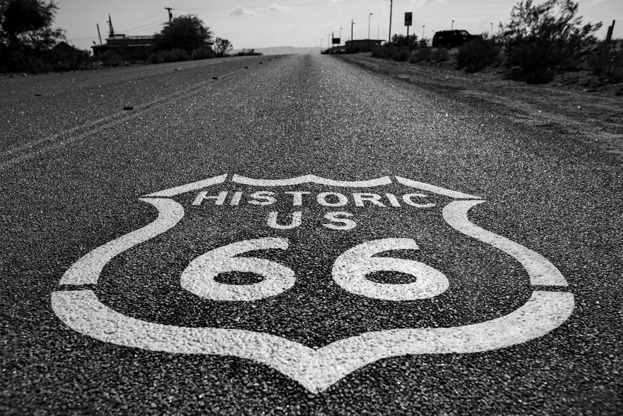
Route 66
Iconic highway symbolizing mobility, migration, and freedom. -
Lincoln Highway
America’s first coast-to-coast automobile route. -
Natchez Trace Parkway
Follows ancient travel routes used for centuries. -
Santa Fe Trail
Key trade corridor linking the U.S. to the Southwest. -
Blue Ridge Parkway
Combines scenic beauty with Appalachian history. -
Oregon Trail
Path taken by settlers seeking opportunity in the West. -
Great River Road
Traces commerce and culture along the Mississippi River. -
Overland Trail
Alternative pioneer route during westward expansion. -
Pacific Coast Highway
Showcases modern travel culture along the Pacific. -
U.S. Route 20
Spans the country, connecting diverse regions and history.
Other Iconic American Landmarks
-
Statue of Liberty
Symbol of freedom and opportunity for immigrants. -
Ellis Island
Gateway for millions entering the United States. -
The Alamo
Site of a defining battle in Texas history. -
Pearl Harbor
Location of the attack that drew the U.S. into World War II. -
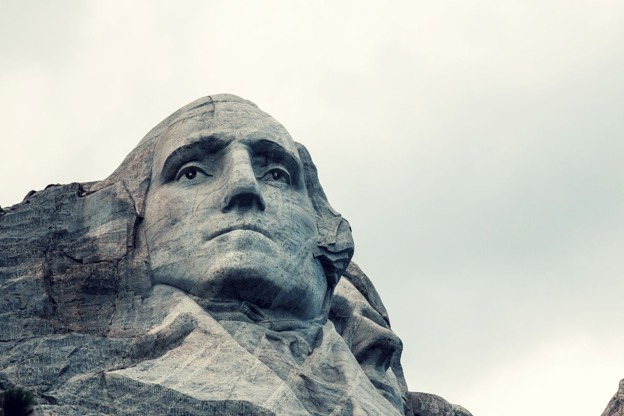
Mount Rushmore
Monument depicting four presidents tied to national growth. -
National Mall
Home to monuments honoring democracy and leadership. -
Gettysburg National Military Park
Site of a pivotal Civil War battle. -
Fort Sumter
Where the first shots of the Civil War were fired. -
Hoover Dam
Engineering achievement of the Great Depression era. -
Arlington National Cemetery
Honors those who served the nation.
Planning an America 250 Road Trip with Cruise America

As the America 250 celebration approaches its peak in July, travel becomes one of the most meaningful ways to participate. The semiquincentennial is designed to be experienced across the landscape of the United States of America, not confined to a single city or event. A road trip allows travelers to move through history at their own pace—connecting landmarks, communities, and stories into a personal journey of reflection and discovery.
RV travel, in particular, aligns naturally with the spirit of the celebration. It offers more control over routes, timing, and stops, making it easier to visit both well-known destinations and lesser-known communities that are hosting local programs and other events tied to the milestone.
Why a road trip fits the America 250 experience
-
Freedom to explore places connected to the signing of the Declaration and the American Revolution
-
Flexibility to attend community-led events that commemorate the 250th anniversary
-
Opportunities to reflect on how the nation’s past honor and present intersect
Travel moments—whether it’s stopping at a battlefield, exploring a historic town square, or watching a group of Americans waving their personal flags at a local celebration—help bring the anniversary to life.
How Cruise America supports the journey
With RV rentals available nationwide, Cruise America makes it easier to turn the semiquincentennial into a multi-stop experience rather than a single destination. RV travel allows:
-
Overnight stays near historic sites and national parks
-
Easy access to rural communities honoring local contributions
-
A comfortable way to travel while staying connected to the places that shaped American democracy
As America250 will foster shared reflection across the country, road trips offer a way to engage deeply with that mission. Traveling between communities helps spark imagination, showcase the rich tapestry of American stories, and highlight how the past honors the contributions of countless individuals who shaped the nation.
Ultimately, planning an America 250 road trip is about more than logistics. It’s about choosing to reflect, to explore, and to engage with history in a way that feels personal. By traveling the open road during this milestone, Americans can celebrate independence not just as a historical event— book your RV trip today.