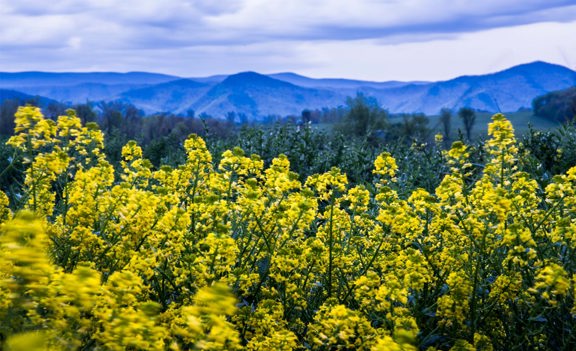
Shoulder Season Travel: The Smart Traveler's Guide to Off-Peak Trips
- RV Lifestyle
Key Points at a Glance
-
What it is: Shoulder season is the stretch between a destination's peak season and its off-season, when most attractions are still open, but the crowds have thinned out.
-
When it falls: For most U.S. destinations, that means spring and fall. Hot-weather spots like the desert Southwest flip the calendar, so summer becomes their slow time.
-
Why go: Fewer crowds, better prices on lodging and campsites, easier reservations, and mild weather for hiking and sightseeing.
-
What to plan around: Shorter days, seasonal road and facility closures, and reduced hours at some attractions.
-
Why it's ideal for RVers: Campgrounds and RV parks are much easier to book, making shoulder season a great time to try an RV road trip.
Picture the same national park trip taken twice. In July, you're circling full parking lots, waiting in long shuttle lines, and hiking in midday heat. A few months later, the trails have room to breathe, the air is crisp, and the campground that was booked solid all summer suddenly has open sites. Same park, completely different experience.
That's the appeal of shoulder season travel: planning your trip for the in-between months just before and after peak season, when the weather is still good, prices start to ease, and the summer rush has moved on. More travelers are timing their getaways this way, and for good reason. Below, we'll cover when shoulder season falls for different types of destinations, why it's worth planning around, the best shoulder season destinations across the U.S., and the trade-offs to keep in mind so your next trip lands in the perfect middle ground.
What Is Shoulder Season Travel?
Every destination has a rhythm. There's the high season, when demand and prices peak; the low season, when visitors thin out and some businesses slow down or close; and the shoulder season, the window between the two. Shoulder season travel means planning your trip for those transition weeks, so you can enjoy most of what a place offers without competing with the peak months.
For most destinations in the Northern Hemisphere, shoulder season falls in spring and fall, on either side of the summer vacation stretch when people tend to travel most. Here's how the three seasons typically compare:
|
High Season |
Shoulder Season |
Low Season |
|
|
Crowds |
Heaviest |
Moderate |
Lightest |
|
Prices |
Highest |
Moderate, often discounted |
Lowest |
|
Weather |
Most reliable for the destination |
Usually mild, with some variability |
Least predictable or most extreme |
|
Reservations |
Book up early |
Good availability |
Usually more open |
|
Attractions |
All open, longest hours |
Most open, some with reduced hours |
Some closed for the season |
A growing number of travelers are planning trips around this sweet spot. People who work remotely or on hybrid schedules, retirees with flexible calendars, and anyone tired of packed parking lots have found that shifting a trip by a few weeks can change the whole experience and save money along the way.
How Shoulder Season Differs From the Off Season
It's easy to lump shoulder season and the off season together, but they aren't the same. The off season usually offers the deepest discounts, but often with real trade-offs: closed roads, shuttered visitor centers, limited dining, and weather that can make outdoor plans tricky. Shoulder season keeps much of the savings while most attractions, campgrounds, and services are still open. You get most of the experience with far less hassle.
When Shoulder Season Falls for Different Destinations
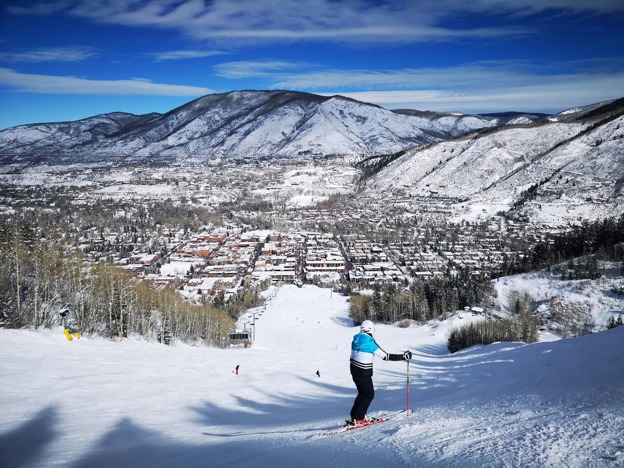
Shoulder season doesn't fall on the same dates everywhere. It depends on when a destination is busiest, which comes down to climate, school calendars, and local events. For much of the U.S., the spring shoulder season runs from late April through early June, before school lets out and families hit the road. Southern destinations warm up sooner, so their spring window can open as early as early March.
Making the Most of the Fall Shoulder Season
The fall shoulder season is the one most travelers know best. Once kids are back in school and Labor Day has passed, national parks, mountain towns, and northern states start to quiet down, typically from mid-September through October. Days stay warm, nights turn crisp, and autumn foliage begins to color the higher elevations. One caveat: places famous for fall color, like New England and the Great Smoky Mountains, can draw big crowds on peak leaf weekends, so aim for weekdays or the edges of peak color.
Where Summer Is the Low Season
Some destinations flip the calendar. In desert parks like Death Valley, Joshua Tree, and Saguaro, the cooler months are the busy season, and scorching summer heat sends most hikers elsewhere. Their best shoulder window is usually October through early November, after temperatures drop but before the winter rush.
Florida follows its own pattern. Like many tropical locations, it runs on the rainy season, which typically lasts from about May through October. Winter and spring break are the busiest times, so the quieter shoulder weeks fall in late spring and late fall. Even Disney World has calmer stretches once school is back in session.
Beach Towns, Ski Towns, and Cities
-
Beach towns: After Labor Day, coastal spots from the Outer Banks to the Gulf Coast offer warm water and thinner crowds into October. Atlantic hurricane season runs through November, so keep your plans flexible.
-
Ski towns: Mountain resort towns have two shoulder seasons, usually April to May and October to November. Some lodging and restaurants close, but scenic drives and lower-elevation trails are blissfully quiet.
-
Cities: Timing depends on local climate. In San Francisco, September and October are typically the warmest, sunniest months of the year, arriving just as summer visitors head home. Cities with temperate weather year-round, like San Diego, have shoulder windows shaped more by school holidays than by the forecast.
Why More Travelers Are Skipping Peak Season Crowds

Lower prices are part of the appeal, but they aren't the only reason shoulder season has caught on. Trading peak season crowds for a few weeks of breathing room improves almost every part of a trip, from where you sleep to how much you actually get to see.
Lower Prices on Lodging, Campsites, and Activities
When demand drops, prices usually follow. Here's where travelers typically find better deals:
-
Lodging: Hotel prices in gateway towns often ease once summer ends, and accommodation prices across popular regions soften as vacationers head home.
-
Campgrounds and RV parks: Some private campgrounds and RV parks offer lower nightly or weekly rates outside the summer peak.
-
Activities: Guided tours, rafting trips, and local attractions may run shoulder season specials to fill spots.
Easier Reservations at Popular Destinations
In peak season, you often have to book ahead by several months for campsites, lodging, and sometimes even park entry. Shoulder season loosens that grip. Campgrounds that fill up quickly in summer are much easier to book, and you'll have more choice of sites. Some parks also manage summer traffic with reservation systems. Rocky Mountain National Park, for example, has required timed entry from late May into mid-October, so a visit after that window means you can simply drive in. With fewer tourists in town, walk-in tables at local favorites are easier to come by, too.
Milder Weather for Hiking and Sightseeing
The shoulder months often bring the most pleasant weather of the year for outdoor activities. In places like southern Utah and Arizona, summer temperatures can make midday hikes risky, while spring and fall offer comfortable days, cool nights, and plenty of blue skies. That's ideal weather for long hikes, bike rides, scenic drives, and lingering at overlooks instead of hurrying back to the air conditioning.
Fewer Crowds at Major Attractions
Smaller crowds change the whole feel of a trip. Trailhead parking lots have open spaces, entrance and shuttle lines move faster, and shorter lines at visitor centers and viewpoints leave more time to explore. With tourist crowds thinned out, there's more room to slow down and connect with the local culture, whether that's chatting with a shop owner in a gateway town or stumbling onto a small harvest festival.
Shoulder Season Vacation Ideas: U.S. Parks, Cities, and Regions
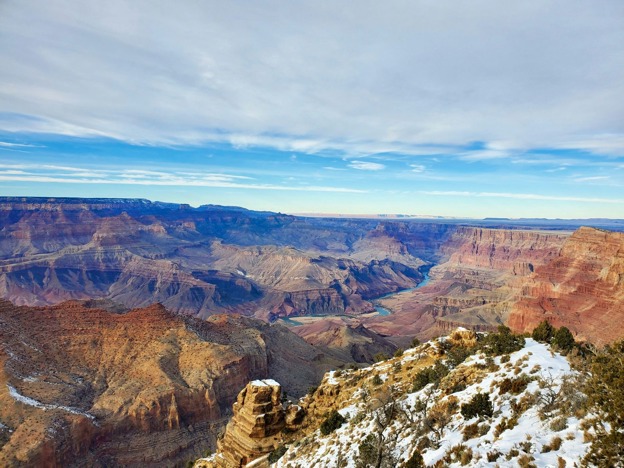
Ready to start planning? These shoulder season vacation ideas pair some of the country's most popular national parks and road trip regions with their best windows. Each one is easy to reach by RV, and several connect into a single shoulder season trip.
|
Destination |
Best Shoulder Windows |
Why Go Then |
|
Zion National Park, UT |
April to May; late September to November |
Comfortable hiking temperatures between the summer heat and winter cold, plus golden cottonwoods in fall |
|
Grand Canyon South Rim, AZ |
Late March to May; late September to November |
Mild weather on the rim and safer conditions for hiking below it. Early spring is quieter, but spring break brings a surge |
|
Arches National Park, UT |
April to May; September to October |
Perfect weather for hiking among the red rock fins and arches |
|
Yellowstone National Park, WY |
Late May; September after Labor Day |
Late spring brings bison calves, and fall brings the elk rut. Some services begin closing in mid-September |
|
Great Smoky Mountains, TN/NC |
Late April to May; early November |
Peak spring wildflowers, and quieter trails once the October leaf-peepers head home |
|
Acadia National Park, ME |
Late May; September |
Quieter carriage roads and coastline once summer ends, with whale watching in September |
|
Blue Ridge Parkway, VA/NC |
Late April to May; September |
Spring blooms and mild drives before October's foliage traffic |
|
Outer Banks, NC |
April to May; September to October |
Warm water, uncrowded beaches, and lower rental rates after summer |
|
San Francisco and the Northern California coast |
September to October |
The city's warmest, most reliably sunny days, after summer fog clears |
Many of these stops pair naturally. A fall travel loop through southern Utah can link Zion and Arches with Bryce Canyon and Capitol Reef, while a spring drive down the Blue Ridge Parkway ends right at the edge of the Great Smoky Mountains. Book campgrounds near the busiest parks early, since sites like Zion's Watchman Campground can fill months ahead even in shoulder season, then leave room in your schedule to explore other destinations along the way.
How to Find the Optimal Time for Any Destination
Shoulder season dates shift from place to place, so a little research goes a long way. Use these checks to find the optimal time for wherever you're headed:
-
Check monthly visitor numbers: The National Park Service publishes visitation stats for every park, so you can see when peak times hit and when they fade.
-
Look at school calendars: The summer months and spring break bring the biggest surges, and the weeks right after school starts are often among the quietest.
-
Watch for local events: Festivals, college football weekends, and peak foliage can bring crowds back for a few days, so check the local calendar to confirm that shoulder season aligns with your travel dates.
-
Compare average temperatures: Aim for the weeks when the weather turns comfortable but before visitors arrive in big numbers.
-
Know when reservations open: Many federal campgrounds release sites on Recreation.gov several months ahead, often six months, so mark your calendar if you're targeting a popular park.
What You Give Up Compared to the High Season
Shoulder season isn't perfect. Trading the high season for quieter weeks means accepting a few compromises, and knowing them up front keeps them from catching you off guard. In spring, high-elevation routes like Glacier's Going-to-the-Sun Road and Yosemite's Tioga Road may still be closed by snow. In fall, some campgrounds and visitor services shut down for the season. Here's how to plan around the most common trade-offs:
|
Trade-Off |
How to Plan Around It |
The RV Advantage |
|
Seasonal road and facility closures |
Check each park's current conditions page and road opening dates before you set your route |
Adjust your route on the fly without losing a hotel deposit |
|
Shorter days |
Start hikes early and plan to do your driving in daylight |
Settle into your campsite before dark instead of hunting for a hotel |
|
Reduced hours at attractions, shuttles, and restaurants |
Confirm schedules ahead of time and plan your days around them |
Cook in your own kitchen when local restaurants close early |
|
Weather swings |
Pack layers and rain gear, and expect lingering summer heat in desert regions in early fall |
Built-in heat and air conditioning keep you comfortable on chilly nights and warm afternoons |
|
Local event surges |
Avoid peak foliage weekends and holidays, or book those dates early |
Stay at a campground just outside the busiest area and drive in |
None of these are reasons to skip shoulder season; they just call for a bit more planning. The main thing you risk missing is a specific seasonal event, like peak fall color or a summer festival. Even then, you're trading sweltering heat and packed overlooks for good weather and room to breathe, and for many travelers, that makes shoulder season the true prime time to travel.
Why Lighter Crowds Make It the Perfect Time for an RV Road Trip
Shoulder season makes its biggest difference at the campground. In summer, sites at popular destinations can be booked up soon after reservations open, and private RV parks near major national parks fill just as fast. Once the summer crowds clear out, lighter crowds mean more choice and far less stress.
Here's why shoulder season and RV travel make such a good match:
-
Easier campground bookings: More open dates, more site choices, and better odds of getting a first-come, first-served spot.
-
Freedom to follow the weather: If a cold front rolls in, you can shift your route toward warmer, sunnier areas without canceling a string of hotel reservations.
-
Comfort when conditions change: Your heater, kitchen, and bed come with you, so cool nights and early restaurant closings aren't a problem.
-
No nightly check-ins: Skip the hotel hunt in busy gateway towns and spend more time on the trail.
-
Room to slow down: With fewer crowds at campgrounds and trailheads, it's easier to stay an extra day wherever you like best.
Add mild weather and better prices to that flexibility, and shoulder season might be the easiest time of year to take your first RV road trip.
Plan Your Shoulder Season Road Trip With Cruise America
Shoulder season gives you the best of both worlds: open campgrounds, comfortable temperatures, and room to enjoy the places you've been wanting to see. Pick your window, map out a few shoulder season destinations, and let the RV handle the rest. With rental locations across the U.S. and Canada and RVs in a range of sizes, Cruise America makes it easy to plan your next shoulder season trip. It’s time to book!