
15 Best Places to Visit in Spring in the U.S.
- Family Friendly
- Road Trip
Key Points at a Glance
-
Spring arrives at different times in different regions: Desert wildflowers can start blooming as early as late February, while snowmelt creeks in the Colorado Rockies run into early June.
-
The best places to visit in spring fall into three groups: Places known for flowers and gardens, waterfalls at peak flow, and national parks that are most comfortable before summer crowds arrive.
-
Cherry blossoms in Washington DC usually peak in late March or early April: Tulip festivals in Washington State and Michigan run through April and into May.
-
For spring break, these picks offer fewer crowds than the usual beach towns, with options for families, couples, and college kids.
-
Spring weather can change fast: Pack layers and book campgrounds early, especially for bloom weekends and spring break weeks.
-
A road trip lets you link several spring destinations into a single trip.
Spring doesn't arrive everywhere at once. Across the continental United States, the season takes about four months to unfold. It starts with wildflowers in the Southern California desert in late winter and ends with snowmelt creeks running across the Colorado sand dunes in early June. That long window makes the spring season one of the best times of year to travel. Wherever you go, something is likely at its peak.
This guide covers 15 places from the West Coast to the East Coast, grouped by their main draw: flowers and gardens, waterfalls at full flow, and national parks that are best visited before peak summer crowds. Each entry covers why the place is special in spring, the best time to visit, and the top things to do. If you're still working on your spring break plans, you'll also find a section on alternatives to crowded beach towns.
When to Go: Spring Destinations by Month
Spring timing changes from place to place, so the best time to visit depends on where you're going. Low deserts warm up first in early spring. Northern waterfalls and mountain creeks peak later, as snow melts at higher elevations.
|
Destination |
State |
Best Window |
Why Go |
|
Anza-Borrego Desert State Park |
California |
Late February to mid-March |
Desert wildflower blooms |
|
Death Valley National Park |
California |
February to April |
Mild temperatures and desert blooms |
|
Charleston |
South Carolina |
Mid-March to early April |
Azaleas and historic gardens |
|
Washington, D.C. |
District of Columbia |
Late March to early April |
Cherry blossoms at the Tidal Basin |
|
White Sands National Park |
New Mexico |
March to May |
Comfortable dune hiking and sledding |
|
Starved Rock State Park |
Illinois |
March to April |
Canyon waterfalls after snowmelt and rain |
|
Cumberland Falls State Resort Park |
Kentucky |
March to May |
High-flow falls and moonbow nights |
|
Buffalo National River |
Arkansas |
March to May |
Prime float season on the upper river |
|
Skagit Valley |
Washington |
April |
Tulip fields in full bloom |
|
Columbia River Gorge |
Oregon |
April to May |
Waterfalls at peak flow and wildflowers |
|
Cuyahoga Valley National Park |
Ohio |
April to May |
Brandywine Falls and spring migration |
|
New River Gorge National Park and Preserve |
West Virginia |
April to May |
Big spring whitewater and wildflowers |
|
Holland |
Michigan |
Early to mid-May |
Tulip Time Festival |
|
Finger Lakes |
New York |
Mid-May to June |
Watkins Glen gorge trail and waterfalls |
|
Great Sand Dunes National Park and Preserve |
Colorado |
Late May to early June |
Medano Creek's seasonal flow |
Spring Blooms and Garden Escapes
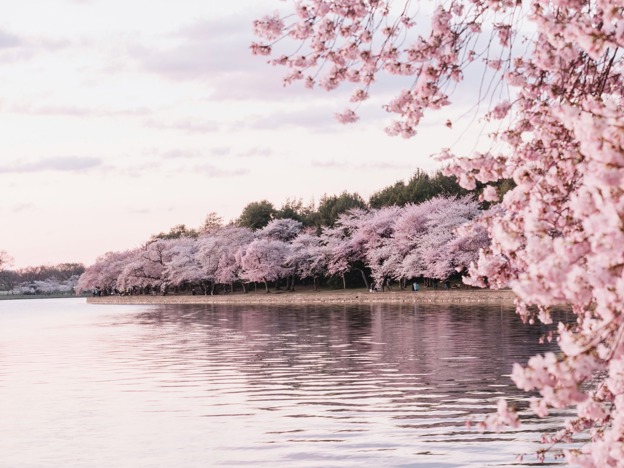
Wildflowers, cherry blossoms, and tulip fields bring in many spring travelers, but bloom timing shifts a little each year. Check the local bloom reports a week or two before you go so you arrive near the peak.
1. Anza-Borrego Desert State Park, California
Why it's special in spring: California's largest state park spreads across more than 600,000 acres of Southern California desert. After a wet winter, the desert floor fills with sand verbena, dune evening primrose and desert sunflowers. By March, the ocotillos often add bright red tips to the desert landscapes.
Best time to visit: Late February to early April. The wildflowers usually peak around mid-March.
Top things to do:
-
Drive Henderson Canyon Road, one of the park's best-known areas for wildflowers.
-
Hike the Borrego Palm Canyon Trail, a 3-mile round trip that starts right at the campground.
-
Visit the metal sculptures in Borrego Springs. The giant steel animals and creatures are scattered across the desert outside town.
Where to stay: Borrego Palm Canyon Campground, near the visitor center, has full-hookup RV sites and reserves out well ahead of bloom season.
2. Washington, D.C.
Why it's special in spring: About 3,800 cherry trees line the Tidal Basin and the National Mall. When they bloom, the cherry blossoms frame the Jefferson Memorial and the Washington Monument in pale pink. The National Cherry Blossom Festival adds parades, kite flying, and cultural events, which make Washington D.C. one of the country's most popular tourist destinations each spring.
Best time to visit: Late March to early April. Once peak bloom begins, the blossoms usually stay on the trees for seven to 10 days.
Top things to do:
-
Walk the Tidal Basin loop at sunrise, before the daytime crowds arrive.
-
See the memorials and monuments along the National Mall.
-
Spend a rainy afternoon in the Smithsonian museums, which are free to enter.
Where to stay: Cherry Hill Park in College Park, Maryland, offers RV, tent, and cabin sites about 30 minutes from downtown.
3. Charleston, South Carolina
Why it's special in spring: Few cities in South Carolina match Charleston for spring color. Azaleas, dogwoods, and wisteria bloom across the historic district. The mild weather makes it easy to spend whole days outdoors among the old live oaks and garden paths.
Best time to visit: Mid-March to early April, when the azaleas usually reach their peak.
Top things to do:
-
Tour Magnolia Plantation and Gardens, among the oldest public gardens in the United States and known for its azaleas.
-
Join the Historic Charleston Foundation's Festival of Houses and Gardens, held each spring, to see private gardens that are rarely open to the public.
-
See the formal gardens at Middleton Place, just up the Ashley River.
Where to stay: James Island County Park Campground offers full-hookup sites about 7 miles from downtown. Taller RVs should check the recommended approach route, because low-hanging tree limbs line some nearby roads.
4. Skagit Valley, Washington
Why it's special in spring: Each April, hundreds of acres of farmland north of Seattle turn into bright stripes of red, yellow, and purple tulips. The Skagit Valley Tulip Festival runs all month, and the snow-capped Cascades rise behind the fields.
Best time to visit: April. Weekdays bring fewer crowds than festival weekends, and a rain jacket helps, since April showers are common here.
Top things to do:
-
Walk the display gardens and fields at RoozenGaarde and Tulip Town.
-
Drive or bike the farm roads around Mount Vernon to find open fields.
-
Spend an afternoon in La Conner, a small town on the water with galleries and cafés.
Where to stay: Bay View State Park sits on Padilla Bay a few minutes from the fields. Its campsites fill quickly in April, so book early.
5. Holland, Michigan
Why it's special in spring: Holland celebrates its Dutch roots with millions of tulips planted across town and Tulip Time, a 10-day festival in early May. There are Dutch dancers, parades, and a carnival, so it works well for the entire family.
Best time to visit: Early to mid-May. The first festival weekend is the busiest.
Top things to do:
-
Visit Windmill Island Gardens. Its 36 acres surround De Zwaan, a working Dutch windmill built in the 1700s and brought over from the Netherlands.
-
Walk the rows at Veldheer Tulip Gardens, and buy bulbs to take home.
-
Catch a Lake Michigan sunset at Holland State Park and the Big Red Lighthouse.
Where to stay: Holland State Park's Lake Macatawa campground is just a short drive from downtown and the festival.
Waterfalls at Peak Flow
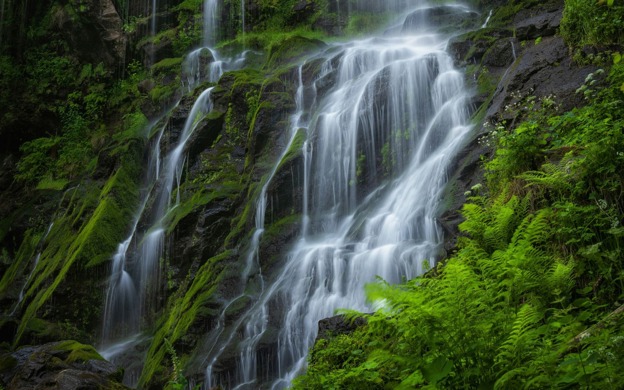
Waterfalls flow strongest in spring, when snowmelt and steady rain fill creeks across the country. Flow depends on recent weather, so a wet week usually means a better show. Expect muddy, slippery trails, and wear shoes with good grip.
6. Columbia River Gorge, Oregon
Why it's special in spring: The Columbia River Gorge has dozens of waterfalls within a short drive of Portland. Spring is when they run fullest. Multnomah Falls, the best-known, drops about 620 feet in two tiers. Its flow is usually highest in winter and spring. By late April, balsamroot and lupine bloom across the drier eastern end of the gorge.
Best time to visit: April to May. Going before late May also means you avoid the summer timed-use permit system at the main Multnomah Falls parking lot.
Top things to do:
-
Drive the Historic Columbia River Highway past Latourell, Wahkeena, and Multnomah Falls.
-
Walk out to the viewpoint at Rowena Crest for wildflower meadows and big river views.
-
Take on the hiking trails that climb from the waterfall corridor toward the gorge rim.
Where to stay: Ainsworth State Park has about 40 full-hookup sites, just a stone's throw (about 4 miles) from Multnomah Falls. The campground opens for the season in March.
7. Starved Rock State Park, Illinois
Why it's special in spring: Starved Rock has 18 sandstone canyons carved by glacial meltwater, a surprising landscape in the Prairie State. In spring or after a heavy rain, waterfalls run in most of them. French, LaSalle, and St. Louis Canyons have the largest falls. Most of the canyons dry to a trickle by early summer, so spring is the time to go.
Best time to visit: March to April, ideally within a day or two of a good rain.
Top things to do:
-
Hike to St. Louis Canyon, where a tall waterfall pours into a sandstone bowl.
-
Climb to the Starved Rock overlook for views of the Illinois River.
-
Hike nearby Matthiessen State Park, a few miles away, for more canyons and falls.
Where to stay: Starved Rock Campground has electric sites near the visitor center. Book ahead, because spring weekends fill early.
8. Cumberland Falls State Resort Park, Kentucky
Why it's special in spring: Known as the "Niagara of the South," Cumberland Falls spans about 125 feet of the Cumberland River and drops roughly 68 feet. On clear nights around a full moon, the mist can form a "moonbow," a rainbow lit by moonlight. Cumberland Falls is one of the few places in the world where you can see one regularly. Spring rain makes the falls look their most powerful.
Best time to visit: March to May. Plan around the full moon if you hope to see the moonbow.
Top things to do:
-
Watch the falls from the overlooks near the visitor center, then come back after dark on a full-moon night.
-
Hike to Eagle Falls, a smaller waterfall across the river.
-
Book a guided whitewater rafting trip on the Cumberland River below the falls.
Where to stay: The park's campground puts you within walking distance of the falls. DuPont Lodge and the park's cabins are another option.
9. Buffalo National River, Arkansas
Why it's special in spring: The Buffalo was designated America's first national river in 1972. It runs past towering limestone bluffs in the Ozarks. The upper river depends on rain, so it's mainly floatable in spring, and spring is also when dogwoods and redbuds line the banks. Nearby is Hemmed-In Hollow, which at 209 feet, is the tallest waterfall between the Rockies and the Appalachians.
Best time to visit: March to May. April and May are peak season on the upper river, and many college students float here during spring break.
Top things to do:
-
Paddle from Ponca to Kyles Landing, a 10-mile float with some of the river's best bluffs and rapids.
-
Hike to Hemmed-In Hollow, a steep round trip of about 5 miles, or reach it from the river with a short walk in.
-
Look for the elk herd that often grazes the fields of Boxley Valley at dawn and dusk.
Where to stay: Steel Creek Campground sits beneath Roark Bluff on the upper river and takes reservations. Outfitters limit daily boat rentals, so reserve your canoe early for weekend floats or an overnight trip.
10. Finger Lakes, New York
Why it's special in spring: Glaciers carved the Finger Lakes region into long, narrow lakes, steep gorges, and rolling hills covered in vineyards. In late spring, the gorges fill with water. Watkins Glen State Park's Gorge Trail passes 19 waterfalls in about a mile and a half, with stone stairs and tunnels, and the path even goes behind a waterfall. Taughannock Falls drops 215 feet, about 33 feet taller than Niagara Falls.
Best time to visit: Mid-May to June. The Watkins Glen Gorge Trail closes in winter and usually reopens in mid to late May.
Top things to do:
-
Hike the Gorge Trail at Watkins Glen early in the morning, before the tour groups arrive. Note that pets aren't allowed on this trail.
-
Walk the mostly flat, under-a-mile Gorge Trail to the base of Taughannock Falls.
-
Spend an afternoon on the Seneca Lake Wine Trail, which has more than 30 wineries.
Where to stay: The Watkins Glen State Park campground opens in May and is a short walk from the gorge. Its sites work well as a base for a few days of day trips around the lakes.
Best National Parks to Visit Before Summer Crowds
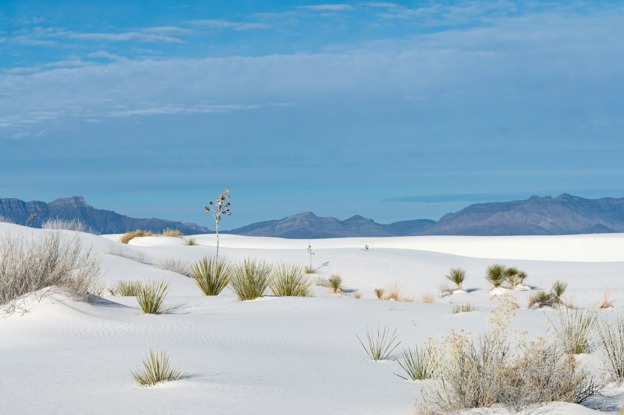
Spring is a sweet spot for many national parks. Temperatures are comfortable, trails are open, and the big summer rush hasn't started yet. Desert parks, like Joshua Tree National Park, are at their best in early spring, before the heat sets in. Parks in the East and the Rockies get going a little later, as rivers rise and trails dry out.
11. Death Valley National Park, California
Why it's special in spring: Death Valley is one of the hottest places on Earth in summer, so spring's mild weather is the time to explore it. Badwater Basin sits 282 feet below sea level, the lowest point in North America. After a wet winter, desert gold and other wildflowers can cover the valley floor. It's also a certified International Dark Sky Park, so the stargazing is excellent.
Best time to visit: February to April. Temperatures climb quickly after mid-April.
Top things to do:
-
Walk the salt flats at Badwater Basin, then watch sunrise light up the badlands at Zabriskie Point.
-
Hike Golden Canyon, a short trail through glowing yellow rock.
-
Drive Artists Drive in the late afternoon, when the hills look their most colorful. Note that this road only allows vehicles under 25 feet.
Where to stay: Furnace Creek Campground takes reservations from mid-October to mid-April. It has only 18 full-hookup sites, and they often book up months ahead.
12. White Sands National Park, New Mexico
Why it's special in spring: White Sands is the world's largest gypsum dunefield. Its bright white dunes stay cool to the touch even on sunny days, and spring temperatures make it easy to spend hours out on the sand. Few desert landscapes look this otherworldly, especially at sunset.
Best time to visit: March to May. Spring afternoons can be windy, so mornings and evenings are often the best time on the dunes.
Top things to do:
-
Sled down the dunes on a waxed plastic saucer from the park gift shop, a favorite with the entire family.
-
Drive deep into the dunefield and stop at the picnic areas and pullouts.
-
Walk the Interdune Boardwalk to learn how plants and animals survive in the dunes.
Where to stay: The park has no campground, and backcountry camping is currently suspended. Oliver Lee Memorial State Park, near Alamogordo, offers water and electric sites about half an hour away. Dunes Drive sometimes closes for missile tests on the neighboring White Sands Missile Range, so check the park's closure schedule before you go.
13. Cuyahoga Valley National Park, Ohio
Why it's special in spring: This national park follows the Cuyahoga River between Cleveland and Akron. In spring, waterfalls swell with snowmelt, bluebells cover the forest floor, and great blue herons return to nest. The park is just a short drive from both cities, which makes it easy to fit into a longer trip.
Best time to visit: April to May, during peak wildflower season and spring bird migration.
Top things to do:
-
See Brandywine Falls, a waterfall roughly 60 feet tall. A boardwalk leads to the viewing areas, or you can take the 1.5-mile Brandywine Gorge Loop.
-
Bike or walk the Ohio and Erie Canal Towpath Trail to the Beaver Marsh, one of the best wildlife viewing spots in the park.
-
Ride the Cuyahoga Valley Scenic Railroad, which lets you bring your bike on board for one-way rides along the Towpath.
Where to stay: The park has no campgrounds. Silver Springs Campground in Stow is a city-run campground with electric sites about 15 to 20 minutes away. It's open April through October and makes an easy base for day trips into the valley.
14. New River Gorge National Park and Preserve, West Virginia
Why it's special in spring: America's second newest national park, designated in 2020, is best known for big spring whitewater. April showers and snowmelt raise the river, and the Lower New turns into a run of Class III to IV+ rapids. Redbuds and dogwoods bloom along the walls of the gorge, which is about 1,000 feet deep. Spring weather is cool in the mornings and pleasant by afternoon.
Best time to visit: April to May, during high water and wildflower season.
Top things to do:
-
Book a guided raft trip on the Lower New. Families can try the gentler Upper New instead.
-
Look out at the New River Gorge Bridge from the Canyon Rim Visitor Center. The bridge stands 876 feet above the river.
-
Hike the Endless Wall Trail or the Long Point Trail for views across the gorge. Afterward, spend some time in Fayetteville, a nearby small town full of outfitters and cafés.
Where to stay: Babcock State Park, about 20 miles from the bridge, has 52 campsites, about half with electric hookups. It's also home to the much-photographed Glade Creek Grist Mill.
15. Great Sand Dunes National Park and Preserve, Colorado
Why it's special in spring: Great Sand Dunes has the tallest dunes in North America. Star Dune rises 750 feet from base to crest, set against the snow-capped Sangre de Cristo Mountains. In late spring, snowmelt feeds Medano Creek, which runs along the base of the dunes. The creek pulses in small waves known as "surge flow," which turns the sand into a temporary beach.
Best time to visit: Late May to early June, when Medano Creek usually peaks. This is the park's busiest stretch, and weekends get crowded, so visit midweek if you can. Arriving before summer crowds still means cooler sand and easier hiking.
Top things to do:
-
Wade, splash, or float on inflatable toys in Medano Creek during peak flow.
-
Climb to High Dune on the First Ridge for big views across the dunefield.
-
Rent a sandboard or sand sled from an outfitter outside the park. Regular snow sleds don't work on sand.
Where to stay: Piñon Flats Campground sits a short walk from the dunes and takes reservations up to six months ahead. Sites for late May and early June often fill as soon as booking opens.
Cool Places to Go for Spring Break
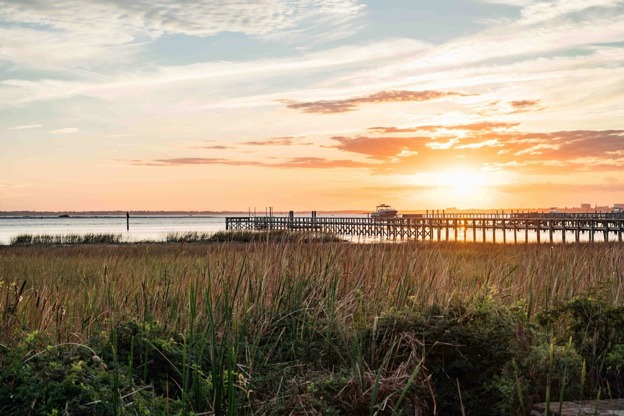
The best spring break destinations don't have to be packed beach towns. If crowded white sand beaches and Panama City Beach-style party strips aren't your thing, several picks from this list are at their best in March and early April. They offer fewer crowds, cheaper campsites, and more room to explore.
For Families
-
White Sands National Park: Kids can spend hours sledding down the dunes, and sunny weather and mild temperatures make March one of the best months to visit.
-
Washington, D.C.: The Smithsonian museums are free, and if your spring break falls in late March, you may catch the cherry blossoms too.
-
Starved Rock State Park: Short canyon hikes lead to waterfalls without long climbs, which suits young hikers.
For Couples
-
Charleston, South Carolina: Garden tours, walkable historic streets, and a strong food scene make it a perfect spring break destination for two.
-
Anza-Borrego Desert State Park: Borrego Springs is an International Dark Sky Community. Pair a wildflower drive with a night of stargazing.
-
Cumberland Falls State Resort Park: Time your trip around the full moon for a chance to see the moonbow together.
For College-Age Travelers
-
Buffalo National River: Float season kicks off in mid-March, right when many college kids are off school. Spring breakers can paddle, camp on a gravel bar, and split the costs.
-
Death Valley National Park: Warm weather, low-cost campsites, and plenty of outdoor activities like dune hiking at Mesquite Flat make it a budget-friendly desert trip.
-
New River Gorge National Park and Preserve: For April breaks, the spring whitewater is hard to beat.
|
Traveler Type |
Top Picks |
Why They Work |
|
Families |
White Sands, Washington, D.C., Starved Rock |
Easy activities, free museums, short trails |
|
Couples |
Charleston, Anza-Borrego, Cumberland Falls |
Gardens, dark skies, moonbow nights |
|
College-age travelers |
Buffalo National River, Death Valley, New River Gorge |
Floating, cheap camping, whitewater |
Looking for more spring break ideas? Check out our guides to spring break road trip ideas and spring break destinations for more routes and places. Whichever you choose, book campsites early. Popular spots fill fast during spring break weeks.
Spring Travel Tips
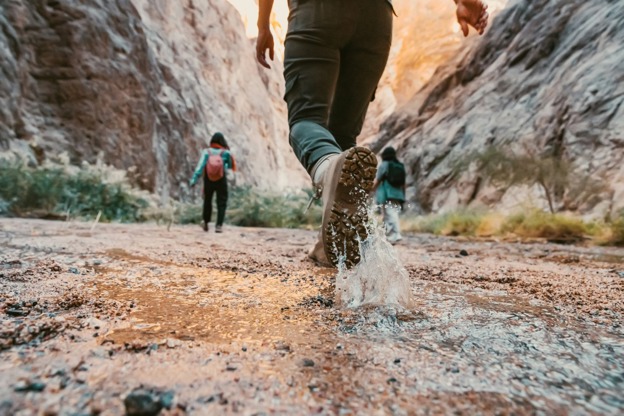
Spring weather can change from hour to hour, and conditions vary a lot from one region to the next. These tips will help you make the most of the spring season:
-
Pack layers: Desert mornings can be near freezing even when afternoons turn warm, and the weather in mountain towns can swing quickly. Bring a fleece, a warm hat, and a waterproof jacket, since April showers can show up almost anywhere.
-
Bring shoes with good grip: Snowmelt and spring rain leave many hiking trails muddy and slick, especially in waterfall canyons and gorges. Waterproof boots are worth packing.
-
Check road and trail conditions: Snow can stay at higher elevations well into the spring months, and some trails don't open until late spring. Watkins Glen's Gorge Trail, for example, usually reopens in mid to late May. Check park alerts before you leave home.
-
Book campsites early: Spring break weeks, bloom weekends, and peak season at popular parks fill up fast. Some campgrounds, like Furnace Creek and Piñon Flats, can book up months ahead.
-
Follow bloom and water-flow reports: Wildflowers, cherry blossoms and creek levels change from year to year, and peak dates have moved around over the past few years. Bookmark the National Park Service's cherry blossom Bloom Watch, Anza-Borrego's wildflower updates, and the Medano Creek conditions page.
-
Respect high water: Spring rivers run fast and cold. Check river levels before you paddle, and book a guided trip for whitewater.
-
Go early or midweek: Arrive at popular viewpoints and trailheads in the morning, and visit on weekdays when you can.
How to Link Spring Destinations into One Road Trip
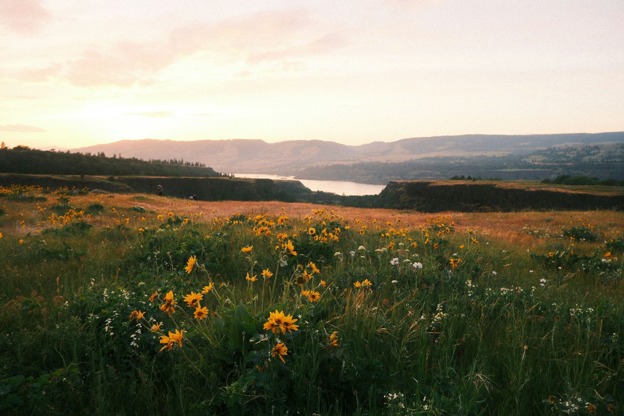
Many spring destinations peak at about the same time as places a few hours away, so a single road trip can cover more than one. Choose your favorite spring destination, then add one or two stops that peak in the same window. The routes below pair stops that bloom or flow at about the same time.
|
Route |
Stops |
Best Time |
Approximate Drive Time |
|
Pacific Northwest |
Columbia River Gorge to Skagit Valley |
April |
About 4 hours |
|
Desert Southwest |
Anza-Borrego to Death Valley |
March |
About 6 hours |
|
Great Lakes |
Starved Rock to Holland to Cuyahoga Valley |
Early May |
About 4 hours per leg |
|
Appalachia to the Capital |
Cumberland Falls to New River Gorge to Washington, D.C. |
Early April |
About 5 to 6 hours per leg |
For a relaxed pace, plan a few days at each stop rather than racing between them. That leaves room to wait out a rainy afternoon or catch a waterfall right after a storm.
How you travel shapes the trip. Some travelers drive their own car and book cabins or lodges. Others fly in and rent a car. An RV is another option that works well for spring road trips:
-
Flexible timing: If the blooms peak a few days early or late, you can change your plans without losing hotel or vacation rental deposits.
-
Stay close to the action: Many of the campgrounds in this guide sit right next to trailheads, dunes, and waterfalls. That makes sunrise hikes and evening stargazing easy.
-
Ready for any weather: Extra layers, rain gear and muddy boots all have a place to go, and you can warm up between hikes on chilly spring days.
Plan Your Spring Getaway with Cruise America
Your RV moves with you, so you can catch the wildflowers in Anza-Borrego, chase waterfalls in the Columbia River Gorge, or link several of these places to visit in spring into one road trip. Reserve an RV rental and start planning your spring adventure today!


