Must-Haves in a Camper: The Complete RV Packing Checklist
- RV Lifestyle
Key Points: Must-Haves in a Camper at a Glance
Short on time? Here's the full list broken down by category:
Functional gear (safety and systems)
-
Wheel chocks, leveling blocks, separate fresh/gray water hoses
-
Electrical adapters and extension cords
-
Surge protector and water pressure regulator (protect different systems, pack both)
-
RV-safe toilet paper, inline water filter
-
Basic tool kit (including a square-tip/Robertson screwdriver)
-
Flashlight or headlamp, emergency road kit, first aid kit, fire extinguisher
-
Tire pressure gauge, a 5-gallon bucket, protected documents
Setup and hookup extras most lists miss
-
Sewer hose support (required in some areas, prevents backflow)
-
Holding tank treatment, disposable gloves, duct tape
Comfort extras for easy living
-
Pot holders, trash bags, portable grill, reusable storage containers
-
Cooler, camp chairs, tablecloth, outdoor rug and doormat
-
Indoor/rainy day entertainment, bug spray, collapsible dish drainer
Dry camping considerations
-
Water conservation habits, backup power (solar charger or battery pack), a fridge temperature monitor, closer tank monitoring
Before every travel day
-
Latch cabinets, secure loose items, retract awnings/antennas/steps, disconnect hoses and power, check tire pressure and hitch connections
For first-time campers
-
Do a full walkthrough at pickup, start with a short trip, don't overpack, and keep essentials within easy reach
Packing for your first RV trip can feel overwhelming, especially once you start realizing how different RV life is from a regular vacation. The good news: once you know the must-haves in a camper, packing gets a lot less stressful and a lot more like second nature. Whether you're renting for a weekend getaway or gearing up for a longer RV adventure, having the right gear on board makes the difference between a smooth trip and one spent driving to the nearest store for something you forgot.
This list covers the full range of RV must-haves, from the not-so-glamorous but essential items that protect your rig and keep things running, to the comfort extras that make a camper actually feel like home. Start with the basics, add what fits your style of camping over time, and you'll have a checklist that works for every trip going forward.
What Are the Must-Haves in a Camper?
Before diving into the full list, it helps to think about camper must-haves in four categories rather than one long, overwhelming list. Breaking things down this way makes it easier to pack with intention instead of just tossing random items in a bin and hoping for the best.
Here's how the rest of this guide is organized:
|
Category |
What it covers |
|
Functional gear |
Safety items, tools, and hookup essentials that keep the RV running and protected |
|
Setup and hookup extras |
Smaller items most lists miss, but that solve real problems once you're on-site |
|
Comfort extras |
The "easy livin'" items that make the space feel like home |
|
Dry camping and travel day prep |
Off-grid considerations and how to secure everything before hitting the road |
Some of these items are non-negotiable, and skipping them can lead to real problems, like a damaged water system or an RV that's not level enough to sleep in. Others are simply about comfort and convenience, the kind of thing you don't realize you need until you're three days into a trip without it.
A few guiding questions to help sort what actually belongs on your list:
-
Does this protect the RV, the plumbing, or the electrical system?
-
Does this keep you and your family safe on the road or at the campsite?
-
Does this save space, time, or money once you're set up?
-
Does this just make life more comfortable?
Keep those questions in mind as you go through the rest of this list, and don't be afraid to adjust it based on your own camping style. What's essential for a family of five parked at a full-hookup site looks a little different than what's essential for a couple dry camping off-grid for a week.
Functional Gear for Your First RV Trip
This is the category that matters most on your first RV trip. These are the RV essentials that protect your investment, keep your systems running, and keep you safe on the road. None of them are exciting, but all of them earn their spot on the list.
Wheel Chocks
Don't risk your rig rolling away while you're set up at the campsite. Wheel chocks are cheap insurance for a problem you really don't want to deal with.
Leveling Blocks
A level RV isn't just about comfort. It affects how your fridge runs, how your shower drains, and how much stress gets put on the frame over time. Look for the flattest spot available when parking, then use leveling blocks to fine-tune it. If your rig has stabilizer jacks, blocks work well underneath those too on soft or uneven ground.
Separate Hoses
Keep one hose for drinking water and a completely separate one for gray water. Label them clearly or buy them in different colors so there's zero chance of mixing them up. A second hose as backup isn't a bad idea either, since hoses can crack, leak, or just not reach far enough depending on the campsite layout.
Electrical Adapters and Extension Cords
Not every site has the same setup. You'll want adapters to go from 30 to 50 amp (or the reverse), plus an RV-rated extension cord in case the power pedestal is farther away than expected.
Surge Protector and Water Pressure Regulator
These two often get lumped together, but they protect completely different systems:
|
Item |
What it protects |
Why it matters |
|
Surge protector |
Electrical system |
Campground power can have wiring faults or voltage spikes that damage appliances |
|
Water pressure regulator |
Plumbing system |
Some campgrounds have water pressure high enough to damage RV pipes and fittings |
Both are inexpensive compared to what they protect you from. Don't skip either one, even on a short trip.
RV-Safe Toilet Paper
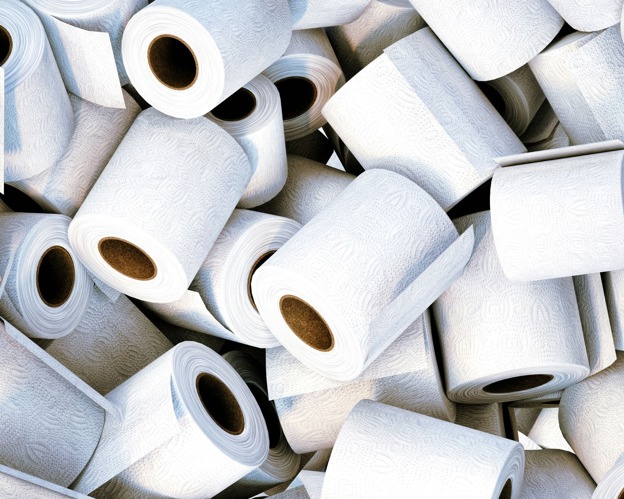
RV bathrooms aren't the same as home plumbing. RV-safe toilet paper breaks down faster, which keeps your black tank from clogging.
Water Filter
An inline water filter improves the taste and safety of the water coming into your RV, especially since potable water quality can vary a lot from one campground to the next.
Basic Tools
You don't need a full garage on wheels, but a small kit of basic tools handles the majority of minor fixes that come up. A good starter kit includes:
-
A wrench set
-
A socket set
-
Screwdrivers, including a square-tip (Robertson) screwdriver, since a lot of RV interiors are assembled with these and they're easy to overlook
-
Pliers
-
Duct tape
-
Zip ties
Leave the bigger repairs to a professional if you're not comfortable handling them yourself.
Flashlight or Headlamp
Useful for setting up after dark, checking hookups, or dealing with a power outage. Keep at least one or two within easy reach rather than buried in storage.
Emergency Road Kit
This should include jumper cables, tools for changing a tire, and reflective triangles or flares to alert other drivers if you're stopped on the shoulder. Roadside safety matters more in an RV than a regular car simply because you take up more space and are harder to see around.
Tire Pressure Gauge
Whether you're driving a motorhome or towing a fifth wheel, correct tire pressure affects handling, fuel efficiency, and how much wear your tires take on. A simple tire pressure gauge lets you check pressure before every travel day, which matters just as much for truck tires if you're towing as it does for the RV itself.
First Aid Kit
Stock the basics: bandages, antiseptic wipes, burn cream, and pain relievers. Add anything specific to your trip, like allergy medication or sting relief if you're headed somewhere with more bugs than usual.
Fire Extinguisher
An RV-rated fire extinguisher is one of those safety items you hope never to use, but absolutely want on board. Check that it's charged and easily accessible, ideally near the kitchen and not buried in a storage compartment.
Bucket
A simple 5-gallon bucket is more useful than it sounds. It works for hauling water, washing dishes or clothes, or as a backup toilet in a pinch.
Protected Documents
Keep your registration, insurance information, reservation confirmations, and any backup maps together in one place, ideally in a waterproof bag or folder. You don't want to be digging through the glovebox for these when you actually need them.
Setup and Hookup Extras Most Lists Miss
These are the items that don't always make it onto a standard packing list, but they solve problems you'll almost certainly run into once you're actually camping. Consider this the "learned it the hard way" section.
Sewer Hose Support
This one gets overlooked constantly, but it matters more than people expect. A sewer hose support keeps your hose elevated and angled downward so waste actually drains instead of pooling inside the hose. In some areas, leaving a sewer hose flat on the ground isn't just bad practice; it's against local rules. A simple accordion-style support solves the problem and packs down small when you're not using it.
Holding Tank Treatment
Nobody loves talking about black tank maintenance, but a good tank treatment keeps odors down and helps waste break down properly between dumps. Toss a packet in after every dump for the easiest fix to a problem you really don't want to deal with mid-trip.
Disposable Gloves
Keep a box of disposable gloves stored right next to your sewer hose kit. Dumping tanks is a lot less unpleasant when you're not doing it bare-handed, and you'll never have to search for a pair at the worst possible moment.
Duct Tape (Again, Because It's That Useful)
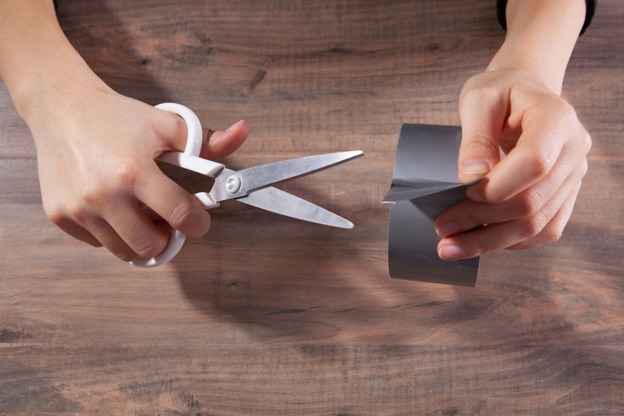
Duct tape already made the tool kit list, but it deserves its own mention here. It fixes torn screens, secures loose panels, patches a hose in a pinch, and solves more unexpected problems on the road than almost anything else in your kit.
A quick checklist for this category:
-
Sewer hose support
-
Holding tank treatment
-
Box of disposable gloves
-
Extra roll of duct tape
None of these items are expensive, and none of them take up much room. But they're the kind of thing that turns a mildly annoying campsite chore into something that takes two extra minutes instead of twenty.
Camper Must-Haves for Easy Living
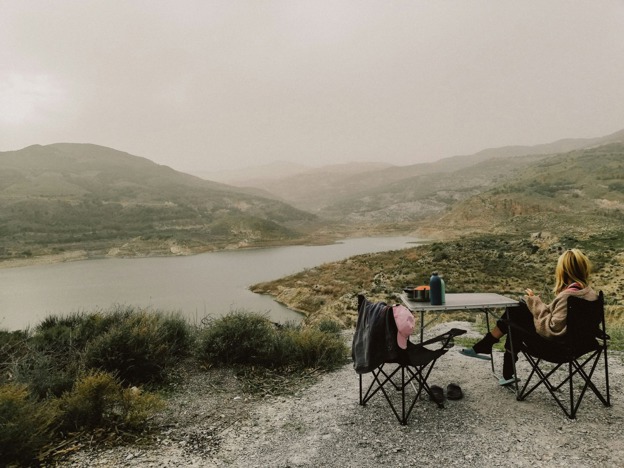
Once the functional gear and hookup extras are covered, it's time for the camper must-haves that make life on the road actually enjoyable. These items won't keep your RV running, but they'll make it feel less like a vehicle and more like a home base for the trip.
Pot Holders
Easy to forget, annoying to be without. Toss a couple in with your cooking gear so you're not using a dish towel and risking a burn.
Trash Bags
Don't overthink this one. Plenty of RVers just use plastic grocery bags in a small trash can instead of buying separate liners, and it works fine.
Portable Grill
Cooking inside heats up the RV fast, especially in summer when your air conditioner is already working overtime. A portable grill lets you cook outside on nice days and takes some of the load off the AC.
Reusable Storage Containers
Counter space and fridge space are both limited, so a set of stackable, reusable containers helps keep leftovers organized without eating up room you don't have.
Cooler
A small cooler stocked with drinks or snacks means fewer trips in and out of the RV throughout the day, which matters more than it sounds like once you're actually camping.
Camp Chairs
Bring your own collapsible chairs for everyone in your group. Not every campsite has a picnic table, and you don't want to be short on seating around the fire.
Tablecloth
An easy way to protect a picnic table and make cleanup faster. It's a small thing, but it adds a bit of home to an outdoor meal.
Outdoor Rug and Doormat
This is one of the most underrated items on the list. An outdoor rug and doormat keep mud, dirt, and leaves from tracking into the RV, which cuts down on cleaning significantly.
Indoor and Rainy Day Entertainment
Most people plan to spend all their time outside, but weather doesn't always cooperate. Pack cards, books, or a couple of downloaded shows for the days you end up stuck inside.
Bug Spray
Simple, easy to forget, and something you'll wish you had the moment the sun starts to set and the bugs come out. Keep a bottle in an easy-to-reach spot rather than buried in a bag.
Collapsible Dish Drainer
The kitchen sink in most RVs is small, and counter space next to it is even smaller. A collapsible dish drainer gives you a spot to dry dishes without permanently taking up space, and it folds flat for storage when it's not in use.
Here's a quick reference for this whole category:
|
Item |
Solves this problem |
|
Portable grill |
Keeps the RV cooler by moving cooking outside |
|
Reusable containers |
Saves counter and fridge space |
|
Outdoor rug/doormat |
Keeps dirt out of the RV |
|
Collapsible dish drainer |
Frees up kitchen sink space |
|
Bug spray |
Keeps evenings outside actually enjoyable |
None of these items are complicated, but together they take a functional RV and turn it into a genuinely comfortable place to spend a few days or a few weeks.
Must-Have Items for Dry Camping
Dry camping, also called boondocking, means camping without hookups: no shore power, no water connection, no sewer. It's a great way to get further off-grid and away from crowded campgrounds, but it does call for a bit of extra prep beyond the basics already covered.
A few things to think about specifically for dry camping:
Water Conservation
Without a hookup, you're working from your fresh water tank only, so potable water needs to be used more carefully. A few practical habits help stretch a tank further:
-
Take shorter showers, or use a portable camp shower for rinsing off outside
-
Use disposable plates or a wash basin instead of running the tap for dishes
-
Fill your tank as full as possible before heading out, keeping weight limits in mind
Power Without a Hookup
Without shore power, you're relying on your RV's battery system, a generator, or solar panels to keep the essentials running. Lights, water pumps, and propane appliances typically still work fine, but anything power-hungry, like an air conditioner, usually needs either a generator or a fairly serious solar setup to run for long.
A portable battery pack or solar charger is a reasonable middle ground for keeping phones and small devices charged without needing a full generator setup.
Monitoring Your Systems
A temperature monitor for your fridge is a smart add-on for longer dry camping stretches, since you won't have the easy reassurance of a plugged-in appliance running nonstop. It's a small, inexpensive way to catch a problem before your food spoils.
Tank Management
Without a sewer hookup, your gray and black tanks fill up faster than you might expect, especially with multiple people using the RV. Keep an eye on tank levels and plan your dump station stops before you're in an emergency situation rather than after.
Dry camping takes a bit more planning than a full-hookup site, but for a lot of RVers, the tradeoff is worth it. Fewer crowds, more scenery, and often free or low-cost camping on public land make it one of the more rewarding ways to experience RV camping once you've got the basics figured out.
Travel Day Prep: Securing the RV Before You Drive
Travel days are where a lot of first-time RVers get caught off guard. Everything that felt secure while parked can shift, slide, or fly open once the RV is actually moving. Taking ten minutes before you pull out can save you from a genuinely messy surprise when you arrive at your next campsite.
Here's a simple pre-departure routine worth building into every travel day:
-
Latch all cabinet doors, using Velcro straps or bungee cords for any that don't stay closed on their own
-
Secure loose items on counters, tables, and seating areas so nothing goes flying with a hard turn
-
Check that the fridge and freezer doors are latched, especially if they're not automatic
-
Store food securely so nothing spills or shifts during the drive
-
Retract awnings, antennas, and steps
-
Disconnect and stow all hoses and the power cord
-
Do a walk-around to check tires, lights, and the hitch connection if you're towing a trailer
This is also a good moment to double-check that your tools and equipment are stored where you can actually get to them, rather than buried under everything else. If something goes wrong on the road, you don't want to be unpacking half the RV just to find a wrench.
A quick check of tire pressure before every travel day is worth the two minutes it takes, since correct pressure affects everything from fuel efficiency to how the RV handles on the highway. It's a small habit, but a genuinely important one both for your safety and for other drivers sharing the road with a much larger vehicle than they're used to seeing.
Getting into a consistent routine here does two things: it protects your gear, and it makes every future travel day faster and less stressful, since you're not relearning the process each time. After a couple of trips, this whole checklist becomes second nature.
Tips for First-Time Campers
Beyond the gear itself, a few habits make a real difference for first-time campers heading out on their very first RV trip. None of these cost anything extra; they're just about approaching the experience with the right mindset.
Do a Walkthrough Before You Leave
Whether you're renting or picking up a new-to-you rig, take the time to walk through everything with staff before hitting the road. Ask where the water hose connections are, how the tank levels are monitored, and where basic tools and the fire extinguisher are stored. It's a lot easier to ask questions at pickup than to figure things out later on the side of the road.
Start with a Short Trip
Your first RV travel experience doesn't need to be a two-week cross-country haul. A short weekend trip close to home gives you a low-stakes way to figure out what you actually use, what you forgot, and what you packed that never left its bag. You'll learn more in one short trip than from reading ten packing lists.
Don't Overpack
Storage space in an RV is limited, and it's tempting to bring "just in case" items for every possible scenario. Stick closer to what you know you'll use, and adjust after your first trip once you have a better sense of your own camping style. This is also one of the easiest ways to save money, since overpacking often means buying duplicates of things you already own.
Practice Before You're Under Pressure
If you're driving something larger than you're used to, or towing for the first time, find an empty parking lot to practice turning, backing up, and general handling before you're doing it for real at a crowded campsite with other drivers watching.
Keep Essentials Within Reach
Store your most-used items, like your first aid kit, flashlight, and basic tools, somewhere easy to grab rather than buried under bins in outside storage. When you need any of these, you usually need them quickly.
A quick summary of the mindset that helps most:
|
Do this |
Instead of this |
|
Start with a short trip |
Jumping straight into a long, complicated route |
|
Pack light and adjust later |
Overpacking "just in case" |
|
Ask questions at pickup |
Guessing how systems work |
|
Practice handling in a lot |
Learning to maneuver at a busy campsite |
None of this is complicated, but it's the difference between a first trip that feels stressful and one that feels like the start of a new hobby you'll actually want to repeat.
Building Your Checklist as a New RVer
This list is a solid starting point, but it's not meant to be the final word on must-haves for every camper. As a new RVer, the best checklist is the one you build yourself after a couple of trips, once you know what actually gets used and what just takes up space.
A few final thoughts as you put your own list together:
-
Start with the non-negotiables. Safety items, tools, and anything that protects your rig's water and electrical systems should always make the cut, no matter how you camp.
-
Add comfort items based on how you actually camp. A family cooking every meal on board needs a different kitchen setup than a couple who eats out most nights.
-
Revisit the list after every trip. The things you forgot are just as useful to know as the things you never touched.
At the end of the day, the gear is just there to support the actual point of the trip: time outdoors, good food, and a change of scenery. Get the essentials sorted, and the rest of RV life tends to fall into place. Book your ride today, and let the good times roll.