Must-See Route 66 Abandoned Towns
- Road Trip
There’s something hauntingly fascinating about the abandoned towns scattered along historic U.S. Route 66. Long before massive interstates rerouted traffic across the country, the famous “Mother Road” was filled with busy diners, neon motels, roadside cafes, trading posts, and small communities built around the constant flow of weary travelers heading west. Today, many of those once-thriving stops sit frozen in time, offering visitors a glimpse into a forgotten era of American road travel.
Driving through these Route 66 abandoned towns feels like stepping into another world. Old buildings slowly fade beneath desert sun and prairie winds, cracked streets lead to empty storefronts, and rusted gas station signs still stand where travelers once stopped for fuel and directions. Some towns have only a handful of residents left, while others are almost entirely abandoned except for a few preserved landmarks and historic ruins.
Many of these communities boomed during the glory days of Route 66, especially throughout New Mexico, Arizona, Texas, and California. But when the interstate highway system expanded in the later years of the 20th century, tourism declined almost overnight for countless roadside businesses. Motels emptied, local businesses closed, and entire towns slowly disappeared as travelers bypassed the old route entirely.
Today, these ghost towns remain one of the most interesting parts of a modern Route 66 road trip. Some destinations preserve pieces of their former glory through restored cafes, gift shops, or museums, while others remain eerily quiet with little more than abandoned buildings and fading memories left behind.
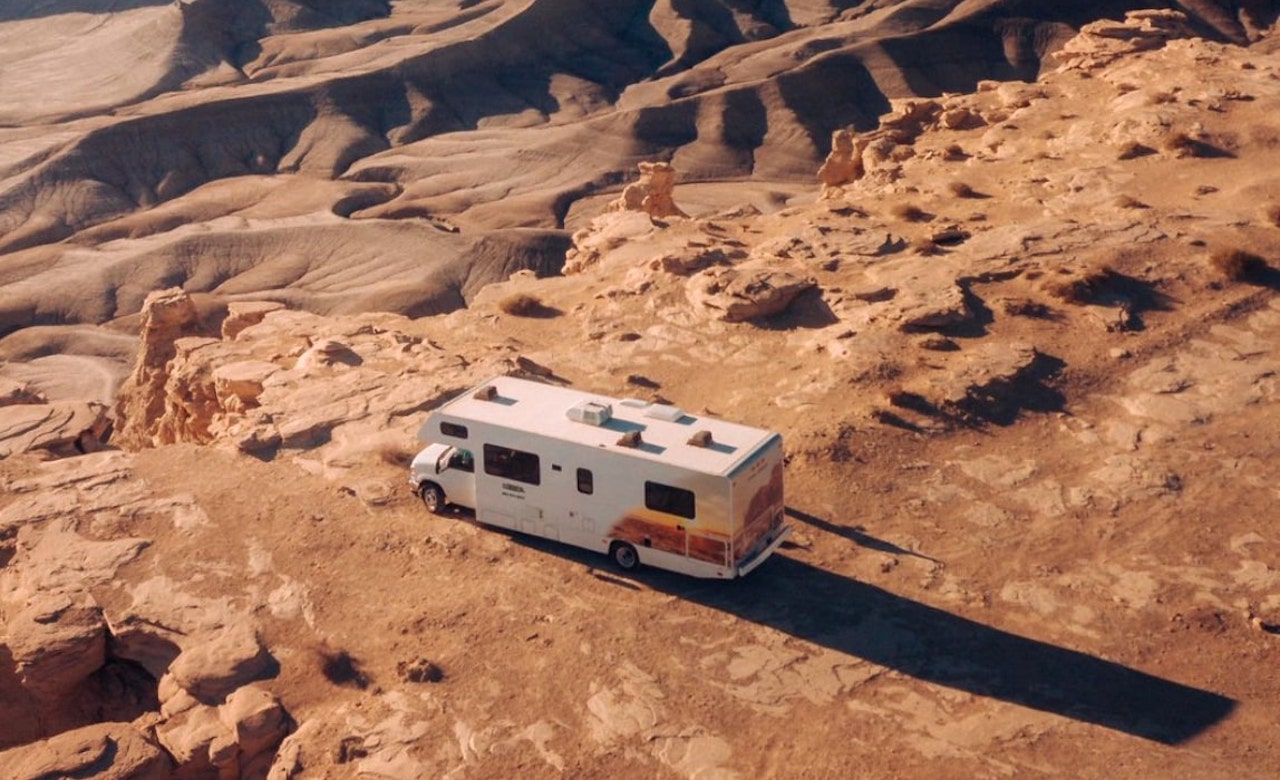
Exploring abandoned towns on Route 66 is also one of the best ways to slow down and experience the highway beyond the typical tourist stops. Traveling by RV gives visitors the flexibility to pull off the road, discover hidden historic places, and spend extra time exploring remote communities that many travelers simply pass by. Whether you’re searching for old motels, historic gas stations, railroad history, or quiet desert ruins, these forgotten towns continue to keep the spirit of Route 66 alive.
Why So Many Towns Along Route 66 Were Abandoned
When Route 66 officially opened in 1926, it quickly became one of the most important highways in the country. Stretching from Chicago to Santa Monica, the route connected hundreds of small towns and gave struggling communities new economic opportunities. Gas stations, motels, cafes, trading posts, repair shops, and roadside attractions appeared almost overnight as businesses rushed to serve travelers.
For many communities, Route 66 became their lifeline.
Small towns that once depended on the Atlantic and Pacific Railroad or local mining operations suddenly found new life through tourism and cross-country traffic. Families opened diners and motor courts, while entrepreneurs built colorful roadside attractions to catch the attention of passing cars.
Several major events helped fuel Route 66’s growth during its peak years:
-
The rise of automobile travel in the 1920s and 1930s
-
Westward migration during the Great Depression and Dust Bowl
-
Increased tourism after World War II
-
Growing fascination with cross-country road trips and roadside Americana
-
Expanding travel throughout the American West
But the same highway that created these communities also contributed to their decline.
Beginning in the 1950s, construction of the interstate system gradually redirected traffic away from the old route. Faster multi-lane highways allowed travelers to bypass the small towns that once depended on Route 66 for survival. In many places, businesses lost nearly all customer traffic within just a few years.
Ironically, many of these abandoned communities are now attracting travelers once again. Modern Route 66 tourism has created renewed interest in preserving the history of these places, and some towns have experienced modest revival efforts through museums, restored landmarks, small gift shops, and cultural associations focused on protecting Route 66 history.
Glenrio, Texas/New Mexico
The Rise and Fall of a Border Town
Sitting directly on the border of Texas and New Mexico, Glenrio was once one of the busiest small towns along the highway.
Like many Route 66 towns, Glenrio originally grew because of the railroad. The arrival of the Rock Island Railroad and nearby railroad activity helped establish the community in the early 1900s before automobile tourism transformed it even further. Once Route 66 officially passed through town, Glenrio experienced years of prosperity as travelers stopped for fuel, food, and lodging before continuing west toward California or east toward Chicago.
At its peak, the town featured:
-
Multiple motels and motor courts
-
Busy gas stations
-
Diners and cafes
-
A post office
-
Small roadside shops
-
Homes for local residents and business owners
But Glenrio’s success did not last forever.
When Interstate 40 bypassed the old route in the 1970s, traffic through town nearly disappeared. Tourism declined rapidly, businesses closed, and the town slowly became abandoned over the next few years. Without highway travelers stopping to support the local economy, Glenrio lost most of its population and eventually turned into one of the most famous ghost towns along Route 66.
What You Can See Today
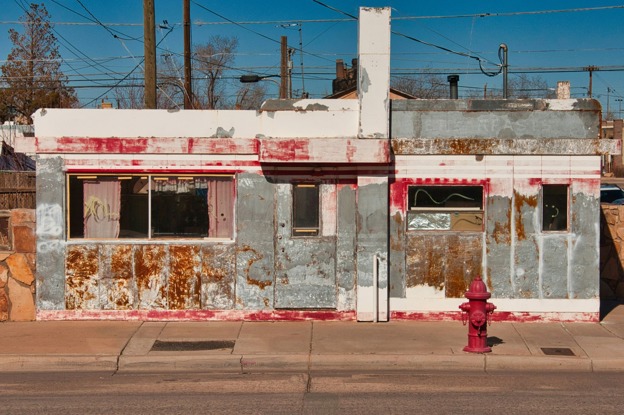
Today, Glenrio feels frozen in time. Visitors driving through the area can still see many of the town’s old buildings standing along the original roadway.
Some of the most recognizable remnants include:
-
Old service stations with vintage architecture
-
Weathered motel buildings
-
Empty storefronts along the old highway
-
Rusted roadside signs
-
Original sections of Route 66 pavement
Unlike some restored Route 66 attractions, Glenrio remains largely untouched, which adds to its appeal for travelers interested in abandoned places and roadside history. The quiet atmosphere and open landscape make it easy to imagine what life once looked like when families, truck drivers, and tourists regularly filled the town’s streets.
Photography is especially popular here because the old buildings and isolated surroundings create classic Route 66 imagery. Early morning and sunset tend to offer the best lighting conditions, particularly with the open plains surrounding the town.
Nearby Attractions Worth Visiting
Although Glenrio itself is relatively small, several nearby attractions make it a worthwhile stop during a larger Route 66 road trip.
Popular nearby stops include:
-
Tucumcari for restored neon signs, vintage motels, and classic Route 66 diners
-
Cadillac Ranch west of Amarillo
Two Guns, Arizona
The Dark and Complicated History of Two Guns
Few Route 66 abandoned towns have a stranger or more dramatic history than Two Guns. Located east of Flagstaff along the old highway, this once-busy roadside stop became famous for its unusual attractions, violent history, and eventual collapse into one of the most recognizable ghost towns.
Long before Route 66 passed through the area, the land around Two Guns was already tied to local legends and conflict. The nearby Canyon Diablo region became known for outlaw activity, dangerous railroad camps, and stories connected to the rough early days of the American west.
Two Guns itself did not fully emerge until the early automobile era, when Route 66 created new business opportunities across northern Arizona. During its peak years, the town became a busy stop for travelers crossing the desert. Entrepreneurs developed roadside attractions, a trading post, cafes, gas stations, and even a small zoo designed to attract tourists driving between Albuquerque and Los Angeles.
At various points, Two Guns included:
-
A campground for early road trippers
-
Tourist cabins and motels
-
Restaurants and cafes
-
A service station and garage
-
Curio shops and gift shops
-
Animal attractions built for highway tourism
The town’s unusual name reportedly came from a local outlaw figure, though stories surrounding its origins vary depending on who tells them. Over the years, fires, business disputes, and declining traffic all contributed to the community’s downfall.
Exploring the Ruins Today
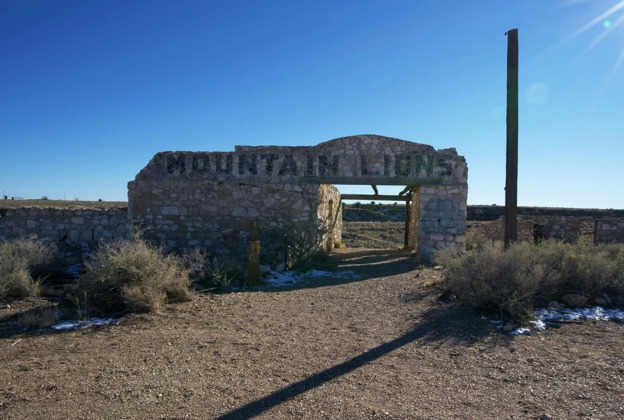
Today, Two Guns is one of the most visually striking abandoned towns on Route 66. Visitors can still walk among numerous old buildings spread across the desert landscape, giving the area an eerie but exciting atmosphere.
Unlike some smaller ghost towns that only have one or two remaining structures, Two Guns still contains enough visible ruins to give travelers a sense of how active the town once was during Route 66’s glory days.
The dramatic desert scenery also adds to the experience. Located high in the Arizona landscape, the town feels isolated and windswept, especially during quieter parts of the day. The surrounding canyon terrain and abandoned buildings create one of the most atmospheric stops along the old route.
Nearby Attractions Along Route 66
One reason Two Guns remains such a popular stop is its proximity to several major Route 66 and northern Arizona attractions.
Nearby destinations include:
-
Winslow and the famous “Standin’ on the Corner” park
-
Meteor Crater
-
Petrified Forest National Park
-
Scenic desert viewpoints overlooking Canyon Diablo
Amboy, California
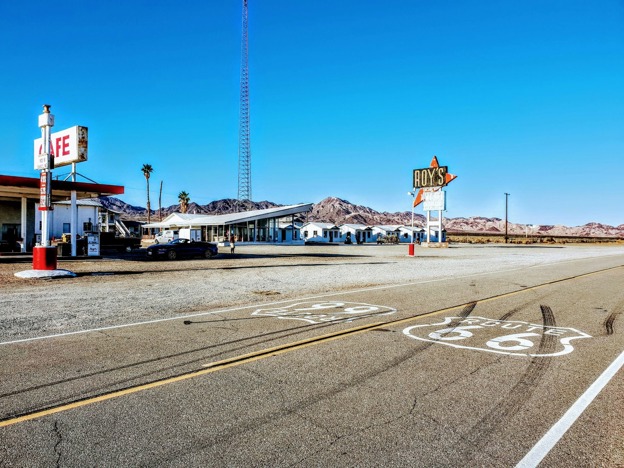
The Rise of Roy’s Motel and Café
Deep within California’s Mojave Desert sits Amboy, one of the most iconic abandoned towns in the country. Although the town’s population has dwindled over the years, Amboy remains one of the most photographed and recognizable stops along the Mother Road, thanks largely to the famous Roy's Motel and Cafe.
Like previously mentioned Route 66 communities, Amboy originally developed because of the railroad. The town grew around the tracks of the Atchison, Topeka and Santa Fe Railway and later expanded as automobile traffic increased across the southwest. During Route 66’s peak years, Amboy became an important stop for travelers crossing California’s harsh desert stretches between Needles and Barstow.
By the 1940s and 1950s, the town offered nearly everything road trippers needed:
-
A gas station for travelers crossing the desert
-
Roy’s Motel and Café
-
Small roadside businesses
-
Motor courts and motel rooms
-
Food and supplies for long highway drives
-
A post office
At its height, Amboy welcomed thousands of travelers every year as families headed west toward the California coast. Bright neon signs and classic roadside architecture made Roy’s Motel especially famous, turning it into one of the defining images of Route 66 travel culture.
What Visitors Can See Today
Despite its decline, Amboy has experienced something of a second life through Route 66 tourism and preservation efforts. While much of the town remains quiet and sparsely populated, Roy’s Motel and Café has been partially restored and continues attracting visitors from around the world.
The combination of preserved landmarks and surrounding abandoned buildings gives Amboy a unique atmosphere that blends nostalgia with desert isolation. Unlike some completely abandoned ghost towns, Amboy still feels alive enough to stop and explore while maintaining the quiet feel of a forgotten highway community.
The surrounding Mojave Desert landscape also plays a major role in the town’s appeal. Wide open skies, volcanic terrain, and long empty stretches of highway create the kind of scenery many travelers imagine when picturing a classic Route 66 road trip.
Nearby Stops Worth Exploring
Amboy is located along one of the most scenic and isolated portions of California’s Route 66 corridor, making it an ideal stop during a larger southwest road trip.
Nearby attractions include:
-
Mojave National Preserve
-
Kelso Dunes
-
Lava Tube
RV travelers should prepare carefully for this stretch of Route 66 because services can be limited between towns. Fuel planning, water supplies, and checking weather conditions are especially important when driving through remote desert areas.
Texola, Oklahoma
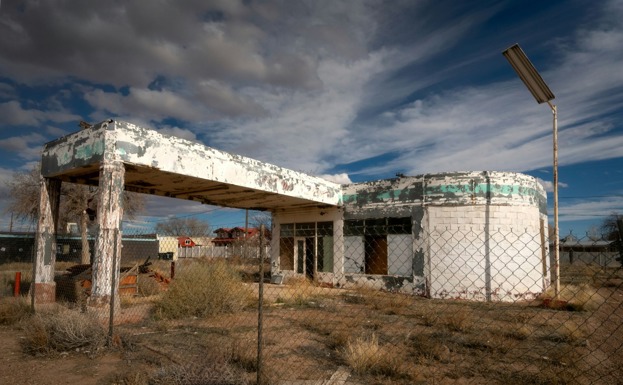
A Tiny Border Town That Refused to Disappear
Near the border of Oklahoma and Texas sits Texola, one of the smallest and most overlooked ghost towns along Route 66.
The town was established in the early 1900s during a period when railroad expansion and growing highway travel helped small communities emerge across the region. Because Texola sat near a state border and along a major transportation corridor, it quickly became a useful stopping point for travelers, truck drivers, and locals moving through western Oklahoma.
When Route 66 eventually passed through town, Texola developed many of the familiar businesses found throughout the Mother Road:
-
Small cafes and diners
-
A gas station
-
Motels and roadside lodging
-
Repair shops for travelers
-
Grocery stores
-
Homes for residents working nearby ranches and railroad operations
Historic Relics Still Standing Today
What makes Texola especially interesting is that parts of the town still remain active, even while much of it feels like a ghost town. A small number of residents continue living in the area, but many historic structures and roadside remnants from Route 66’s glory days still stand quietly along the old route.
Visitors exploring Texola today may find:
-
Abandoned storefronts
-
Aging roadside signs
-
Historic service station structures
-
Empty buildings slowly deteriorating with time
One of the most famous surviving locations in Texola is the old bar and café building that has appeared in countless Route 66 photographs over the years. The weathered exterior and faded signage perfectly capture the nostalgic feel many travelers search for while driving the old highway.
Nearby Route 66 attractions include:
-
Elk City and its Route 66 museum complex
-
Shamrock and the famous U-Drop Inn
Goffs, California
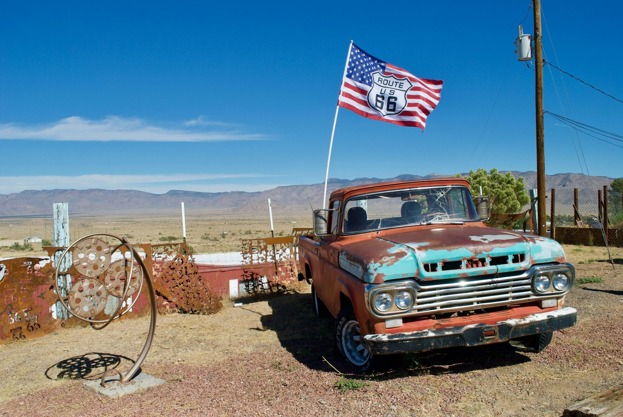
A Railroad and Mining Town in the Mojave Desert
Hidden within the remote stretches of California’s Mojave Desert, Goffs is one of the most isolated abandoned towns connected to Route 66. While many travelers focus on better-known Route 66 stops, Goffs offers a quieter and more rugged look into the desert communities that once supported railroad workers, miners, and travelers moving through the harsh southwest landscape.
The town originally developed in the late 1800s after the expansion of the Atchison, Topeka and Santa Fe Railway through the region. Railroad access helped create small desert communities throughout California’s Mojave Desert, especially in areas tied to mining operations and transportation routes.
For a period of time, Goffs served as:
-
A railroad stop
-
A supply point for nearby mining camps
-
A small residential community
Although Goffs never became a major tourism center like some Route 66 towns farther east, the community still benefited from highway traffic during Route 66’s active years. Travelers crossing the desert often relied on these isolated stops for fuel, supplies, food, and emergency repairs before continuing west toward larger California cities.
What You Can Experience in Goffs Today
Today, Goffs feels incredibly remote compared to many other ghost towns. The surrounding desert landscape stretches for miles in nearly every direction, creating an atmosphere that feels both peaceful and all alone.
Unlike towns filled with rows of abandoned motels or neon signs, Goffs is more subtle in what remains. Visitors will primarily encounter:
-
Historic railroad-related structures
-
Desert ruins and old foundations
-
Open desert scenery surrounding the old town site
One of the most important preserved landmarks in the area is the Goffs Schoolhouse, which now operates as part of the Mojave Desert Heritage and Cultural Association. The organization has helped preserve pieces of local history while educating visitors about desert communities, mining history, railroad development, and life along Route 66.
Nearby Desert Attractions Worth Visiting
Part of what makes Goffs such an interesting stop is its location within one of the most scenic stretches of California’s Mojave Desert. RV travelers exploring this region can combine ghost town history with national preserve landscapes, volcanic formations, and remote desert roads.
Nearby attractions include:
-
Mojave National Preserve
-
Mitchell Caverns
Depew, Oklahoma
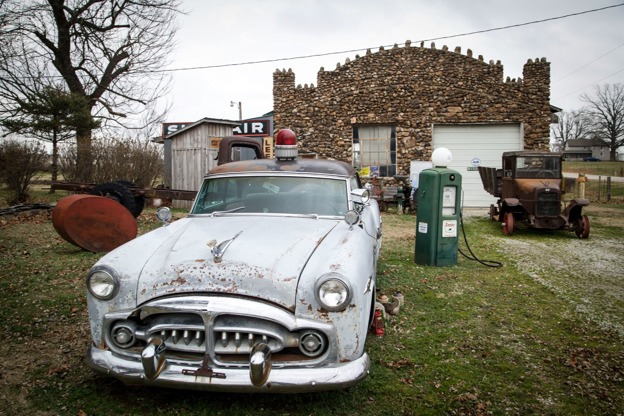
A Railroad Town That Slowly Faded Away
Tucked away in central Oklahoma, Depew is another forgotten community connected to the broader history of U.S. Route 66. While Depew was never one of the highway’s biggest tourist destinations, its story reflects what happened to many small towns throughout the country after railroad activity declined and interstate highways reshaped American travel.
The town was established in the early 1900s during a period of rapid railroad expansion across Oklahoma. Communities like Depew depended heavily on rail traffic, agriculture, and nearby highway travel to support local businesses and residents.
Although Depew was located slightly off the main Route 66 corridor, it remained tied to the larger regional economy created by the Mother Road and nearby transportation routes. For years, nearby highway traffic helped sustain many communities across Oklahoma.
Exploring the Historic Remnants Today
Today, Depew feels quiet and largely disconnected from the busier highways nearby. While portions of the community remain active, many old structures and historic buildings reveal signs of long-term decline.
Visitors passing through the area may encounter:
-
Empty storefronts and aging commercial buildings
-
Quiet residential streets with older homes
-
Historic structures reflecting early 20th-century architecture
-
Railroad-related remnants tied to the town’s past
Unlike more famous ghost towns with preserved tourist attractions, Depew offers a more subtle glimpse into how many rural American communities gradually faded over time. The town’s slower pace and quiet streets create a very different atmosphere from the neon signs and roadside attractions often associated with Route 66.
For travelers interested in history and photography, towns like Depew can be especially interesting because they show the less glamorous but very real side of abandoned communities across the American West.
Exploring Small-Town Oklahoma Along Route 66
Driving through Oklahoma remains one of the most underrated parts of a Route 66 road trip. The state contains hundreds of miles of historic roadway along with vintage bridges, old diners, classic motels, and small communities that still preserve pieces of the highway’s history.
Nearby Route 66 attractions include:
-
Tulsa and its collection of restored neon signs and historic districts
-
Arcadia and the famous Round Barn
-
Historic Route 66 museums throughout Oklahoma
Cuervo, New Mexico
A Desert Community Left Behind by the Interstate
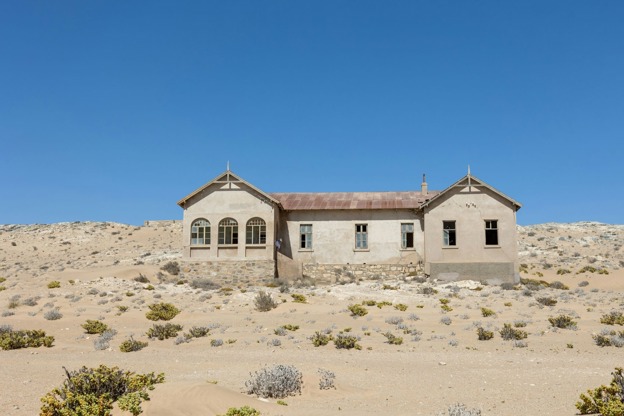
Along a quiet stretch of historic U.S. Route 66 in eastern New Mexico sits Cuervo, one of the most visually striking abandoned towns. With crumbling adobe buildings, empty homes, and long-deserted roadside structures slowly collapsing beneath the desert sun, Cuervo feels like a snapshot of a community that simply ran out of time.
The town was established in the late 1800s and originally grew because of ranching, farming, and railroad development throughout the region. When Route 66 later passed through the area, Cuervo gained additional business from travelers crossing New Mexico on their way west toward Arizona and California.
Like many small communities along the old route, Cuervo depended heavily on highway traffic to survive. Travelers often stopped for fuel, meals, or overnight lodging before continuing across the long desert stretches farther west.
But once Interstate 40 bypassed the community, tourism declined significantly. Businesses struggled to stay open, residents gradually moved away, and many buildings were eventually abandoned. Over the following decades, Cuervo’s population dropped to only a small number of locals, leaving much of the town in visible decline.
Crumbling Buildings and Route 66 History
One of the reasons Cuervo stands out among Route 66 abandoned towns is the visual contrast between the aging buildings and the surrounding New Mexico landscape. Wind, weather, and decades of neglect have given many of the structures a haunting appearance that feels deeply connected to the history of the old highway.
Photography is especially popular here because:
-
The town retains a raw and authentic atmosphere
-
Many buildings still show original architectural details
-
The desert lighting creates dramatic scenery throughout the day
-
The area feels isolated and largely untouched by modern development
Nearby Attractions Along the Old Route
Although Cuervo itself is relatively small, the surrounding region contains several worthwhile Route 66 and New Mexico attractions that pair well with a road trip through the area.
Nearby stops include:
-
Santa Rosa and the famous Blue Hole
-
Scenic desert valleys and open highway landscapes
Experience Route 66 at Your Own Pace
Exploring Route 66 abandoned towns is one of the best ways to experience the quieter and more nostalgic side of the Mother Road. From desert ghost towns to forgotten roadside stops, these hidden destinations are easier to discover when you have the flexibility to travel on your own schedule.
Ready to travel back in time? Book your RV, and see what was once Route 66 boom towns.