The Ultimate List of Cheap Summer Travel Destinations
- Family Friendly
Finding truly cheap summer travel destinations doesn’t mean settling for less—it just means knowing where to look. While many popular destinations spike in price during peak season, there are still plenty of affordable destinations across the U.S. that offer incredible experiences without the high costs. In fact, some of the best budget-friendly travel destinations are the ones most travelers never consider.
Over the past few years, travel trends have shifted. As more people flock to well-known hotspots like Yellowstone National Park or coastal cities like San Diego, prices in those areas have climbed, especially during summer. But that doesn’t mean a vacation is out of reach. It just means shifting your focus toward affordable travel destinations that offer similar experiences without the crowds or inflated costs.
Many travelers automatically think of international travel when searching for value; places in Southeast Asia, Eastern Europe, or South America are often considered dirt cheap by comparison to popular world travel spots. But when you factor in flights, housing, and added expenses, exploring affordable places within the U.S. can often deliver better overall value.
The key is understanding what actually makes a destination affordable:
-
Lower demand during summer (heat, humidity, or location)
-
Access to free museums/events, outdoor spaces, and inexpensive attractions
-
Strong options for local food and casual dining instead of high-priced restaurants
These are wonderful destinations where you can still enjoy amazing food, explore local culture, and experience incredible scenery—without stretching your budget.
Average Cost of Summer Travel in the U.S.
|
Category |
Average Cost (Per Person) |
Notes |
|
Total Weekly Vacation Cost |
$1,900 – $2,275 |
Typical 7-day domestic trip |
|
Daily Travel Budget |
~$275 – $325/day |
Varies by destination and travel style |
|
Flights (Domestic Avg.) |
~$300 – $500 |
Can increase during peak summer travel |
|
Hotels / Lodging |
~$250+ per night |
One of the largest expenses |
|
Food & Dining |
~$60 – $100/day |
Higher in tourist-heavy areas |
|
Transportation (Local) |
~$40 – $50/day |
Rental cars, gas, rideshare |
|
Family of 4 (1 Week) |
$3,100 – $6,800+ |
Depends heavily on destination |
How to Travel Cheap in the Summer Without Sacrificing Experience
You don’t need a shoestring budget or extreme planning to pull off a memorable summer trip. The difference between an expensive getaway and a budget-friendly one often comes down to where you go, how you plan, and how you spend once you get there.
Go Where Others Aren’t
One of the easiest ways to find super cheap destinations is to travel where demand drops in the summer. While many travelers chase cooler climates or well-known beach towns, you can often find extremely cheap or at least fairly cheap pricing in places with hotter weather or less national attention.
That’s why inland destinations across the country become budget-friendly places in the summer—fewer crowds mean lower prices on accommodations and activities. The same applies to underrated regions that haven’t been impacted by mass tourism.
Prioritize Experiences Over Expensive Attractions
Many of the best places to visit in the U.S. are built around:
-
Scenic viewpoints and amazing scenery
-
Hiking trails and outdoor recreation
-
Free walking areas, parks, and waterfronts
-
Cultural spots like art galleries or historic districts
Eat Smart Without Missing Out on Great Food
Food can quickly become one of the biggest travel expenses, but it doesn’t have to be. Many of the best budget destinations are known for their casual dining scenes, where you can still enjoy great food without high prices.
Look for:
-
Street food and local markets
-
Small, family-run restaurants
-
Neighborhood spots instead of tourist-heavy areas
In many cases, the most memorable meals come from experiencing local culture rather than dining at high-end restaurants.
Skip Flights and Embrace the Road Trip
Airfare is often the most unpredictable part of travel. Even when you find cheap flights, costs can add up quickly with baggage fees, rental cars, and lodging.
That’s where road trips, and especially RV travel, come in as a game-changer for budget travel:
-
No need for connecting flights or airport stress
-
Avoid expensive hotel stays and apartment rentals
-
Cook your own meals to reduce daily costs
-
Stay closer to nature and major attractions
For many travelers, this approach brings the daily budget down significantly while opening up access to more cheap travel destinations along the way.
Travel Midweek and Stay Flexible
Flexibility is one of the most underrated travel tips for saving money. If your schedule allows, consider:
-
Traveling midweek instead of weekends
-
Visiting attractions early in the morning or later in the day
-
Adjusting your route based on pricing and availability
Focus on Value, Not Just Price
The goal isn’t just to find the cheapest places, it’s to find destinations that offer the best overall experience for the cost. A place that’s slightly more expensive but offers free activities, better access, and more to do can often deliver better value than something that’s simply labeled “cheap.”
That’s exactly what the destinations in this guide focus on: affordable places that combine scenery, experiences, and accessibility. This allows you to make the most of your next adventure without overspending.
10 Budget-Friendly Travel Destinations That Deliver Big Value
Not all cheap summer travel destinations are created equal. The best ones don’t just save you money, they offer memorable experiences, access to amazing scenery, and plenty of ways to explore without overspending. Below are 10 budget-friendly travel destinations across the U.S. that deliver real value, with deeper insights into what to do, where to go, and how to keep your daily budget in check.
Chattanooga
Type: Outdoor City
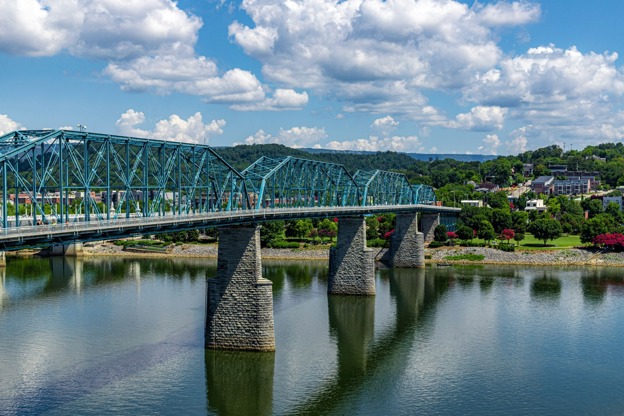
Chattanooga is one of the most well-rounded budget-friendly places in the Southeast, combining riverfront access, mountain views, and a growing food scene without the price tag of larger Southern cities. It’s ideal for travelers who want a mix of outdoor activity and walkable urban exploration.
-
Estimated daily budget: $70–$140
What to do:
Start your trip along the Tennessee Riverwalk, a paved path that stretches for miles and connects parks, viewpoints, and public art. From there, head up to Lookout Mountain—one of the top places to visit in the area—for access to trails like Sunset Rock, which offers one of the best overlooks in the region. If you’re looking for something quick, Falling Water Falls is a short stop with a high payoff and minimal hiking required.
Where to eat:
Chattanooga is known for casual dining and strong local flavor. You’ll find everything from Southern comfort food to modern cafés serving great food without big-city pricing. Riverside spots are especially good for affordable meals with a view.
Why it’s affordable:
It’s often overlooked in favor of Nashville or Asheville, which keeps demand and pricing lower, even during peak season.
RV advantage:
You can stay just outside downtown and still be within 10–15 minutes of everything. This avoids expensive hotels while giving you easy access to both the city and nearby hiking trails.
Sleeping Bear Dunes National Lakeshore
Type: Coastal / Great Lakes
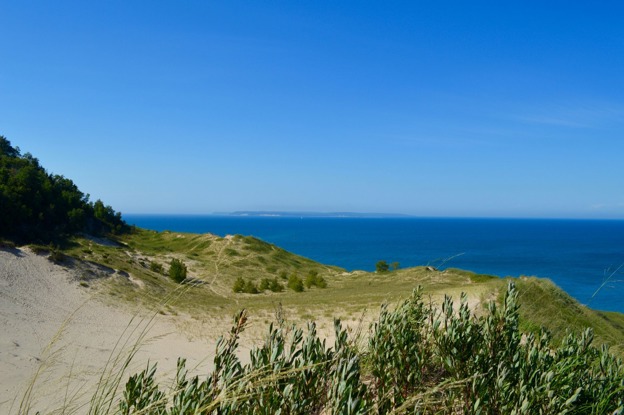
If you’re looking for a tropical vacation feel without heading to tropical beaches, Sleeping Bear Dunes is one of the best-kept secrets in the U.S. The combination of towering dunes, freshwater shoreline, and quiet beach access makes it one of the most unique cheap travel destinations in the country.
-
Estimated daily budget: $80–$150
What to do:
Start with the Dune Climb: a challenging but rewarding trek up massive sand dunes with panoramic views of Lake Michigan. Then drive Pierce Stocking Scenic Drive, which offers multiple overlook points where you can stop for a quick picture stop without spending anything. For a more relaxed day, head to Glen Haven or Platte River Point for beach access that rivals more crowded coastal beach towns.
Where to eat:
Nearby towns like Glen Arbor and Empire offer small cafés, bakeries, and casual restaurants. Expect fresh fish, sandwiches, and plenty of local food options at reasonable prices especially compared to coastal hotspots.
Why it’s affordable:
The Great Lakes region hasn’t experienced the same level of mass tourism as ocean destinations, which keeps lodging and activity costs fairly cheap.
RV advantage:
Campgrounds throughout the area allow you to stay close to the lake. Instead of paying for expensive waterfront lodging or apartment rentals, you can wake up steps from the shoreline.
Albuquerque

Type: Desert City
Albuquerque is one of the most overlooked affordable destinations in the U.S.especially in summer. While the heat keeps crowds away, the city still delivers incredible experiences, from historic neighborhoods to outdoor adventures.
-
Estimated daily budget: $70–$140
What to do:
Spend time in Old Town Albuquerque, where adobe buildings, local shops, and historic plazas give you a feel for the area’s deep-rooted local culture. For something more active, take the Sandia Peak Tramway or hike trails in the Sandia Mountains for sweeping desert views. Early mornings are ideal for exploring before temperatures rise.
Where to eat:
Albuquerque is known for amazing food, particularly dishes centered around green chile. You’ll find everything from casual diners to food trucks serving authentic meals that are both filling and affordable.
Why it’s affordable:
Summer is considered off-season due to the heat, which makes accommodations and activities low-cost compared to cooler months.
RV advantage:
Instead of staying in pricier hotels, you can park outside the city and access both urban and outdoor experiences easily and helping reduce your overall daily budget.
Duluth
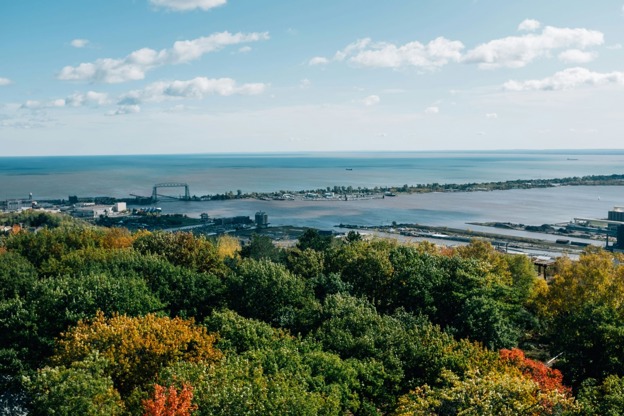
Type: Lakefront City
Duluth offers a completely different summer experience. Perks like cooler temperatures, dramatic lake views, and a laid-back pace makes it ideal for budget travelers looking to avoid crowded popular destinations.
-
Estimated daily budget: $80–$150
What to do:
Walk the Lakewalk, a scenic path that runs along Lake Superior and connects many of the city’s main attractions. Canal Park is a great spot to watch ships pass through the harbor, while a short drive north opens up access to waterfalls, scenic overlooks, and some of the best day trip opportunities in the Midwest along the North Shore.
Where to eat:
Duluth’s food scene leans casual and hearty. Waterfront restaurants and breweries offer filling meals at reasonable prices, making it easy to enjoy great food without overspending.
Why it’s affordable:
It’s often overlooked in favor of more well-known coastal destinations, which keeps pricing more accessible even during summer.
RV advantage:
Lakeside camping options give you premium views without premium costs—something that’s hard to find in more crowded destinations.
Black Hills
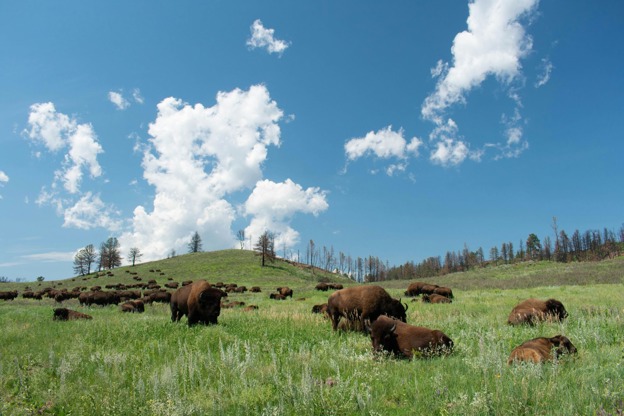
Type: Nature Region
The Black Hills region is one of the best budget destinations in the U.S. because it offers multiple experiences in one place, reducing the need for long drives or multiple accommodations.
-
Estimated daily budget: $70–$140
What to do:
Drive Needles Highway for one of the most scenic routes in the country, with narrow tunnels and rock formations that feel like an engineering marvel. Visit Mount Rushmore early in the morning to avoid crowds, then spend time in Custer State Park, where you can spot wildlife and explore miles of hiking trails. There are also opportunities for horseback riding if you want a different way to experience the landscape.
Where to eat:
Small towns throughout the region offer diners and local restaurants where you can find filling meals without high prices.
Why it’s affordable:
Everything is centralized, so you’re not constantly spending on transportation or lodging across multiple locations.
RV advantage:
One campground can serve as your base for several days, making it easier to manage your daily budget.
Eureka Springs
Type: Small Town / Mountain
Eureka Springs feels completely different from most U.S. destinations. Built into the hills of the Ozarks, the town has winding streets, historic architecture, and a creative, laid-back vibe- making it one of the most unique cheap travel destinations in the country.
-
Estimated daily budget: $70–$130
What to do:
Start by exploring the entire downtown area on foot. There’s no traditional grid, just curved streets lined with Victorian buildings, staircases, and hidden corners. Spend time browsing local art galleries, popping into small shops, and visiting historic landmarks like the Crescent Hotel. For outdoor options, head just outside town for Ozark hiking trails or take a scenic day trip to nearby lakes and overlooks.
Where to eat:
Eureka Springs is known for cozy cafés and local restaurants that focus on quality over scale. You’ll find everything from Southern-inspired dishes to eclectic menus, all at prices that stay budget friendly compared to more well-known mountain towns.
Why it’s affordable:
It’s often overlooked in favor of places like Asheville, which means fewer crowds and more affordable places to stay and eat.
RV advantage:
Quiet campgrounds in the surrounding hills give you a peaceful home base while staying just minutes from downtown.
Olympic Peninsula
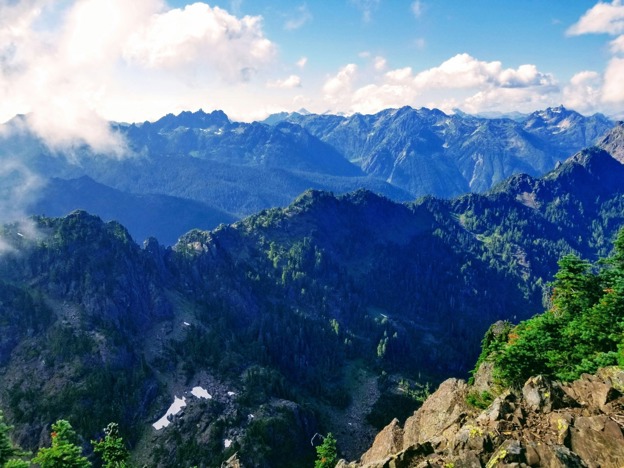
Type: Coastal + Nature
The Olympic Peninsula offers one of the most diverse landscapes in the U.S. and it still qualifies as a budget-friendly destination if you plan it right. You’ll find rugged coastline, dense forests, and mountain views all within a relatively compact area.
-
Estimated daily budget: $80–$160
What to do:
Spend a morning walking along driftwood-covered beaches like Rialto or Ruby Beach, where the scenery feels almost untouched. Then head inland to explore rainforest trails in areas like Hoh or Quinault, where moss-covered trees create a completely different environment. Scenic drives around the peninsula offer plenty of pull-offs for picture stops and short walks.
Where to eat:
Food options are more limited, but small towns throughout the peninsula offer simple seafood spots and casual dining. Expect fresh, straightforward meals rather than upscale restaurants—helpful for keeping costs low.
Why it’s affordable:
It’s overshadowed by more famous national park destinations and lacks the infrastructure that drives up prices elsewhere.
RV advantage:
Camping in or near nature gives you direct access to beaches and trails, avoiding the high cost of limited lodging in the area.
San Antonio
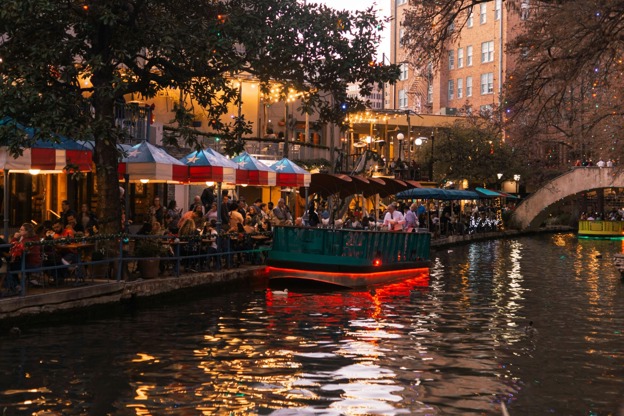
Type: City
San Antonio becomes one of the best cheap summer travel destinations simply because of timing. Summer heat keeps crowds away, which leads to lower prices across the board.
-
Estimated daily budget: $80–$140
What to do:
Walk the River Walk early in the morning or later in the evening when temperatures are more manageable. Visit the Alamo and nearby historic sites, then explore local markets and neighborhoods for a more authentic feel. The city also offers plenty of shaded areas and indoor attractions to balance the heat.
Where to eat:
San Antonio is known for amazing food, especially Tex-Mex and regional specialties. You can eat extremely well here without spending much, with many casual restaurants and markets offering great food at very reasonable prices.
Why it’s affordable:
Lower demand during summer months makes it one of the more budget-friendly places in Texas.
RV advantage:
Stay outside the city center and drive in when needed, avoiding high hotel rates and parking fees.
Boise
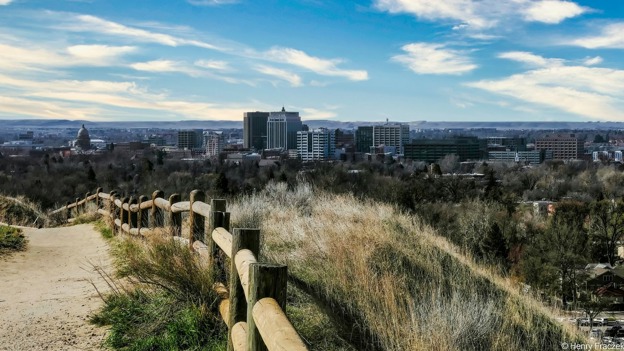
Type: Outdoor City
Boise continues to grow in popularity, but it’s still one of the more affordable destinations in the West—especially for travelers who prioritize outdoor experiences.
-
Estimated daily budget: $80–$150
What to do:
Float the Boise River for a low-cost activity that locals love, or spend time hiking in the foothills just minutes from downtown. The Boise Greenbelt is perfect for walking or biking, connecting parks and scenic areas throughout the city. You can easily fill multiple days with outdoor activities alone.
Where to eat:
Boise has a strong casual food scene, with food trucks, breweries, and small restaurants offering high-quality meals at reasonable prices. It’s a great place to enjoy local food without the markup of larger cities.
Why it’s affordable:
Still under-the-radar compared to other Western cities, keeping costs more manageable.
RV advantage:
You can stay just outside the city and still be within minutes of both downtown and outdoor recreation, helping reduce your overall daily budget.
Great Basin National Park
Type: National Park
If you’re looking for a true off-the-grid experience, Great Basin is one of the most dirt-cheap and least-visited parks in the country. It’s ideal for travelers who want to avoid crowds and keep costs low.
-
Estimated daily budget: $60–$120
What to do:
Explore Lehman Caves for a guided underground experience, then spend time hiking alpine trails that lead to mountain views and ancient bristlecone pine trees. At night, the park becomes one of the best stargazing locations in the U.S., and is a completely free experience that rivals any paid attraction.
Where to eat:
Options are limited, so planning ahead is key. Stocking up on groceries and cooking your own meals is the best way to stay within a tight budget.
Why it’s affordable:
Its remote location keeps visitor numbers low.
RV advantage:
Camping is inexpensive, widely available, and puts you right inside the park—eliminating the need for hotels entirely.
Start Your Affordable Summer Adventure with Cruise America
Finding the right cheap summer travel destinations is only part of the equation; how you experience them makes all the difference. With Cruise America, you can turn a simple trip into a flexible, cost-conscious adventure that keeps your daily budget in check without sacrificing experiences.
Instead of piecing together cheap flights, rental cars, and multiple hotel stays, an RV simplifies everything. Whether you're heading toward a national park, a coastal escape, or a lesser-known city, the ability to travel on your own schedule makes it easier to stay within a tight budget.
If you're ready to plan your next adventure without overspending, book your Cruise America RV today! Your affordable vacation awaits.