5 Canada Road Trips to Take This Year
- Road Trip
- get inspired
Canada is one of the greatest road trip destinations on the planet. From the towering peaks of the Rocky Mountains to the red sand beaches of the East Coast, this country offers an almost overwhelming variety of landscapes, cultures, and experiences, all connected by some of the most scenic drives in the world. Whether you're chasing turquoise lakes, whale watching along rugged coastlines, or rolling through charming small towns with rich history and delicious food, a Canadian road trip delivers the kind of memories that stay with you.
The question isn't whether Canada is worth a road trip; it's where to start.
That's where this guide comes in. We've put together five of the best Canada road trips to take this year, spanning the west coast to the east coast and covering everything from iconic national parks to hidden gems most travelers never find. Each route has been chosen for its stunning views, variety of outdoor adventures, and how well it lends itself to RV travel, because there's no better way to experience Canada's natural beauty than from the comfort of your own home on wheels.
Here are five unforgettable Canada road trip itineraries worth planning this year.
Road Trip 1: The Icefields Parkway — Canadian Rockies, Alberta
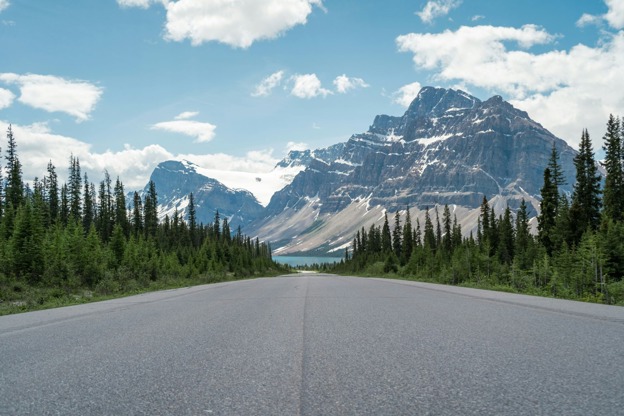
If there's one drive that belongs on every Canadian road trip itinerary, it's the Icefields Parkway. Stretching 232 kilometers between Banff and Jasper through the heart of the Canadian Rockies, this is widely considered one of the most spectacular scenic drives in the world, and it absolutely lives up to the reputation.
|
Route |
Banff to Jasper, Alberta |
|
Distance |
232 km (~144 miles) |
|
Drive Time |
3–4 hours (without stops) |
|
Best Season |
June – September |
|
Best For |
Nature lovers, photographers, and first-time Canada visitors |
The parkway passes through both Banff National Park and Jasper National Park, two of Canada's most celebrated mountain national parks, offering near-constant views of glaciers, towering peaks, and some of the most beautiful lakes you'll ever see. Key stops along the route include:
-
Lake Louise — One of Canada's most iconic sights, with brilliant turquoise water framed by Victoria Glacier. Arrive early to beat the crowds.
-
Moraine Lake — Arguably even more stunning than Lake Louise, this jewel of the Bow Valley offers electric blue water surrounded by the Valley of the Ten Peaks.
-
Peyto Lake — A short hike from the Icefields Parkway rewards you with a bird's-eye view over a wolf-shaped turquoise lake that looks almost too vivid to be real.
-
Bow Lake — A peaceful, easy stop right off the highway with beautiful reflections of the surrounding mountains.
-
Columbia Icefield — One of the largest icefields in North America, where you can walk on the Athabasca Glacier or take a tour out onto the glacier surface.
-
Bow Valley Parkway — An alternate, quieter route running parallel to the Trans-Canada Highway between Banff and Lake Louise, ideal for wildlife spotting at dawn or dusk.
For hikers, the Canadian Rockies offer incredible trails ranging from easy lakeside walks to challenging summit routes. The Plain of Six Glaciers Trail near Lake Louise and the Valley of the Five Lakes near Jasper are both standouts worth adding to your itinerary.
Extend Your Trip: Base yourself in Banff townsite for a day or two before heading north. The town has excellent restaurants, hot springs at the Banff Upper Hot Springs, and easy access to the Bow River for fishing and kayaking. From Jasper, consider pushing further into Jasper National Park to explore Maligne Lake and Maligne Canyon.
RV Travel Tip: Campgrounds along the Icefields Parkway fill up extremely fast in July and August. Book your sites through the Parks Canada reservation system as far in advance as possible, ideally the moment reservations open in January. The Icefields Parkway is wide and well-maintained, making it very manageable for RVs of all sizes.
Road Trip 2: Vancouver Island Loop — British Columbia
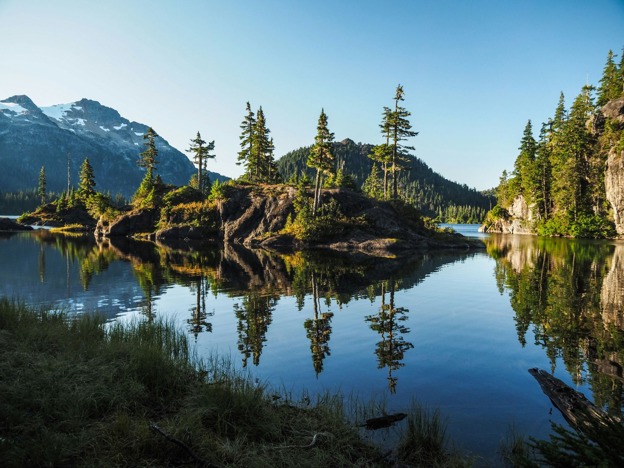
Vancouver Island is one of British Columbia's most beloved destinations, and for good reason. This rugged, forested island off Canada's west coast packs an extraordinary range of experiences into a single road trip: ancient rainforests, wild Pacific beaches, charming harbor towns, and some of the best whale watching in North America. It's the kind of place where you can surf in the morning, walk among thousand-year-old trees in the afternoon, and watch the sun set over the ocean from your RV campsite in the evening.
|
Route |
Victoria → Tofino → Campbell River → Nanaimo |
|
Distance |
~600 km (~373 miles) |
|
Drive Time |
8–10 hours total (spread over multiple days) |
|
Best Season |
May – October |
|
Best For |
Couples, outdoor adventurers, wildlife enthusiasts |
Most travelers begin the loop in Victoria, the provincial capital, which charms visitors with its British colonial architecture, world-class gardens, and a lively inner harbor. From there, head west across the island toward Tofino, the undisputed surfing capital of Canada and a hub for outdoor adventures on the island's wild west coast. Key stops along the route include:
-
Butchart Gardens (Victoria) — A world-famous floral display garden set in a reclaimed limestone quarry. Stunning at any time of year.
-
Pacific Rim National Park (Tofino) — Old-growth rainforest meets crashing Pacific surf. Don't miss the ancient cedars along the Rainforest Trail and the long stretch of Long Beach.
-
Cathedral Grove (Port Alberni) — A grove of massive, centuries-old Douglas fir trees en route to Tofino. A humbling and unmissable stop.
-
Whale Watching (Tofino or Victoria) — Both ends of the island offer excellent boat tour options for spotting gray whales, humpbacks, and orcas.
-
Campbell River — Known as the salmon fishing capital of the world, this is a great stop for anglers and marine life enthusiasts heading back down the island's east side.
-
Nanaimo — A laid-back harbor city that makes a great final stop before the ferry back to the mainland.
One of the great things about the Vancouver Island loop is how naturally it lends itself to slow travel. There's no need to rush between stops; the island rewards those who pull over on a whim, follow a trail into the forest, or spend an extra night at a beachside campground because the sunset was too good to leave.
Extend Your Trip: If you have extra time, catch a ferry from Nanaimo or Victoria to Vancouver and spend a day or two exploring Stanley Park, Granville Island's public market, and the mountains and beaches that make Vancouver one of the most livable cities in the world.
RV Travel Tip: The ferry from the BC mainland to Vancouver Island accommodates RVs, but reservations are strongly recommended during the summer months. BC Ferries allows you to book in advance online. Once on the island, the roads to Tofino are winding and narrow in sections — take your time and enjoy the drive.
Road Trip 3: The Cabot Trail — Cape Breton Island, Nova Scotia
If you're looking for a road trip that combines jaw-dropping coastal scenery with rich cultural heritage and world-class hiking, the Cabot Trail should be at the top of your list. This 298-kilometer loop around the northern tip of Cape Breton Island in Nova Scotia is consistently ranked among the most scenic drives in the world, and once you round a cliff-hugging bend with the Gulf of St. Lawrence stretching out below you, it's easy to understand why.
|
Route |
Loop around Cape Breton Island, Nova Scotia |
|
Distance |
298 km (~185 miles) |
|
Drive Time |
4–5 hours (without stops) |
|
Best Season |
June – October (September–October for fall foliage) |
|
Best For |
Scenic drive lovers, hikers, small-town explorers, fall foliage seekers |
The trail winds through Cape Breton Highlands National Park, a provincial park system of dramatic highlands, deep river canyons, and rugged Atlantic coastline. The combination of Celtic, Acadian, and Mi'kmaw cultural influences gives the communities along the route a character unlike anywhere else in Canada. Key stops along the trail include:
-
Cheticamp — A vibrant Acadian village and the western gateway into Cape Breton Highlands National Park. Stock up on supplies, browse local craft shops, and try some fresh seafood before heading into the park.
-
Skyline Trail — One of the most celebrated hikes in all of Atlantic Canada. This out-and-back trail leads to a dramatic headland boardwalk suspended over the Gulf of St. Lawrence, with frequent moose and bald eagle sightings along the way.
-
Pleasant Bay — A small fishing village nestled between the mountains and the sea, and one of the best spots on the trail for whale watching boat tours. Pilot whales and minke whales are regularly spotted just offshore.
-
Ingonish — Home to the famous Keltic Lodge resort and some of Cape Breton's best beaches. The local area also offers excellent hiking in the highlands with stunning views over the Atlantic.
-
Baddeck — The charming town where Alexander Graham Bell spent his summers and conducted much of his later research. The Alexander Graham Bell National Historic Site here is well worth a visit.
The Cabot Trail is one of those road trips that genuinely gets better the slower you take it. Many travelers make the mistake of trying to drive the full loop in a single day. Instead, plan for at least three to four days so you can hike the incredible trails, linger in the small communities, and catch the kind of sunsets over the Gulf of St. Lawrence that people come back for year after year.
Extend Your Trip: From Cape Breton Island, head south through mainland Nova Scotia to Halifax, one of the East Coast's most vibrant cities. From there, consider crossing into New Brunswick to explore Fundy National Park and the Bay of Fundy, home to the highest tides on Earth. Prince Edward Island is also within easy reach, offering red sand beaches, fresh lobster, and a pace of life that feels like stepping back in time.
RV Travel Tip: Cape Breton Highlands National Park has excellent campgrounds at both Cheticamp and Ingonish, bookable through the Parks Canada reservation system. Some sections of the Cabot Trail involve steep grades and sharp curves. Take it slow, especially when driving a larger RV, and pull into the many designated lookouts to take in the views safely.
Road Trip 4: Quebec's St. Lawrence River Route
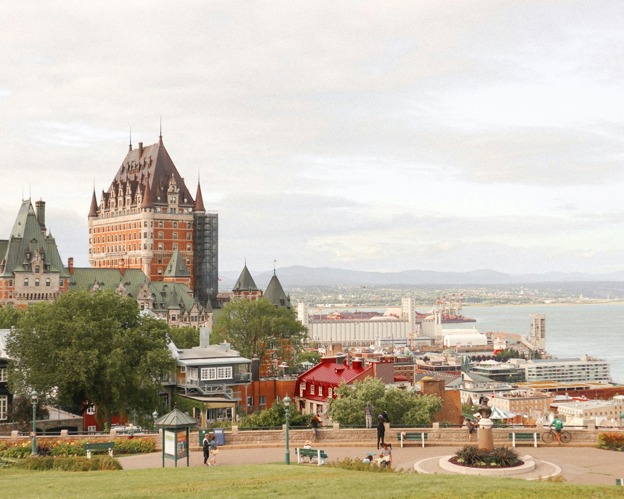
For travelers who want their Canadian road trip to go beyond landscapes and into culture, history, and world-class food, Quebec's St. Lawrence River route delivers on every front. This drive takes you from the buzzing streets of Montreal through one of North America's most beautifully preserved historic cities in Quebec City, and then further northeast along the river to the small, wildlife-rich town of Tadoussac, where the St. Lawrence meets the Saguenay Fjord and the whales come to feed.
|
Route |
Montreal → Quebec City → Tadoussac |
|
Distance |
~500 km (~310 miles) |
|
Drive Time |
5–6 hours total (without stops) |
|
Best Season |
June – October |
|
Best For |
Culture seekers, foodies, history buffs, whale watching enthusiasts |
This route is as rich in history as it is in natural beauty. Quebec City's Old Town is a UNESCO World Heritage Site, the only fortified city north of Mexico, and walking its cobblestone streets feels more like wandering through a European medieval city than anything you'd expect to find in North America. Montreal, meanwhile, is a world unto itself: a city of incredible food, vibrant neighborhoods, stunning architecture, and a cultural energy that is entirely its own. Key stops along the route include:
-
Old Montreal — The historic heart of the city, with cobblestone streets, the stunning Notre-Dame Basilica, and some of the best restaurants in Canada lining the waterfront.
-
Quebec City's Old Town — A UNESCO World Heritage Site and one of Canada's most visited national historic sites. Walk the fortified walls, explore the Château Frontenac, and wander through the Lower Town's narrow streets.
-
Montmorency Falls — Located just outside Quebec City, these falls actually stand taller than Niagara Falls and can be viewed from a dramatic suspension bridge spanning the gorge.
-
Île d'Orléans — A pastoral island in the St. Lawrence River just outside Quebec City, known for its farms, orchards, artisan food producers, and sweeping views of the river and the city skyline.
-
Tadoussac — One of the best places in the world for whale watching, where beluga whales, fin whales, and humpbacks gather at the confluence of the St. Lawrence and Saguenay rivers. Boat tours operate throughout the summer and early fall season.
Beyond the major stops, the drive itself along the north shore of the St. Lawrence is filled with small villages, historic churches, and views across the river that grow increasingly wild and dramatic as you head northeast. This is also excellent cycling and hiking country, with Saguenay Fjord National Park offering spectacular outdoor adventures just beyond Tadoussac.
Extend Your Trip: From Tadoussac, adventurous travelers can continue northeast along the north shore toward the Gaspé Peninsula, one of Quebec's most dramatic and least-visited regions, where the St. Lawrence widens into a sea and towering cliffs meet the water's edge. Alternatively, cross the river and head south into the Eastern Townships, Quebec's wine country, for a completely different flavor of the province.
RV Travel Tip: Montreal and Quebec City both have RV-friendly campgrounds within a short drive of the city centers, making them very manageable bases for day trips into both cities. Parking a large RV in the old quarters of either city is not practical, so plan to use a smaller vehicle or public transit for your urban exploring. The highway between Montreal and Quebec City along the Trans-Canada Highway is excellent and very easy to navigate in an RV.
Road Trip 5: The Alaska Highway — Canada's Wild North
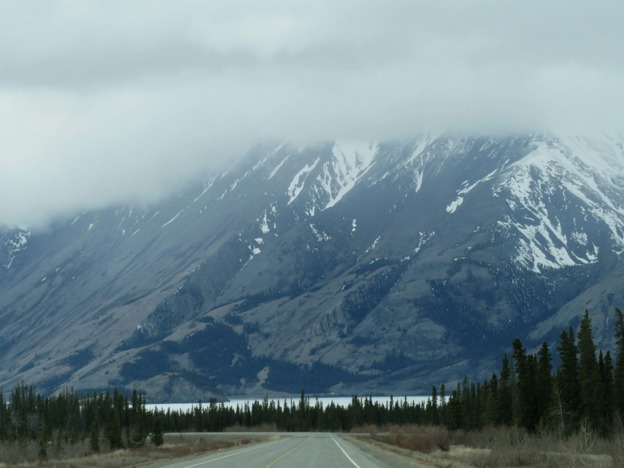
For travelers who have already ticked off the Canadian Rockies and the East Coast and are ready for something truly remote, the Alaska Highway is in a category of its own. This legendary road stretches from Dawson Creek in northeastern British Columbia all the way to Whitehorse in the Yukon, covering over 1,500 kilometers of some of the most untouched wilderness on Earth. This is bucket-list road trip territory, the kind of drive that redefines your sense of scale and reminds you just how vast and wild Canada really is.
|
Route |
Dawson Creek, BC → Fort Nelson → Watson Lake → Whitehorse, YT |
|
Distance |
~1,500 km (~932 miles) |
|
Drive Time |
15–18 hours total (spread over multiple days) |
|
Best Season |
May – September |
|
Best For |
Adventure travelers, wildlife watchers, bucket-listers, experienced road trippers |
The Alaska Highway was originally built in 1942 as a military supply route and has since become one of the most iconic road trips in Canada and the world. The route passes through multiple provincial parks and wilderness areas, with wildlife sightings so common they almost become routine. Black bears, grizzlies, moose, bison, wolves, and eagles are all regularly spotted from the road. Key stops along the route include:
-
Dawson Creek, BC — The official starting point of the Alaska Highway, marked by the famous Mile Zero post. A great place to fuel up — literally and figuratively — before heading north.
-
Stone Mountain Provincial Park — A dramatic landscape of rocky peaks and alpine meadows, roughly halfway between Dawson Creek and Fort Nelson. One of BC's most underrated provincial parks is an excellent spot for wildlife viewing.
-
Muncho Lake Provincial Park — Home to a stunning turquoise lake set against the bare rocky slopes of the Northern Rockies. The vivid color of the water rivals anything you'll find further south in Banff or Jasper.
-
Liard River Hot Springs — One of the most welcome stops on the entire highway, these natural hot springs in a provincial park are the second largest in Canada and a perfect place to rest weary legs after a long day of driving.
-
Watson Lake, Yukon — Famous for the Sign Post Forest, where travelers since 1942 have been adding signs from their hometowns. There are now over 100,000 signs — it's quirky, fun, and oddly moving.
-
Kluane National Park — A UNESCO World Heritage Site and home to the largest non-polar icefield in the world. The park's towering peaks and vast glaciers are staggering in scale, and the wildlife viewing, particularly for Dall sheep and grizzly bears, is world-class.
-
Whitehorse — The vibrant capital of the Yukon and the natural endpoint of this stretch of the Alaska Highway. The city punches well above its size with excellent restaurants, fascinating history, and easy access to incredible trails and outdoor adventures in every direction.
What makes this road trip unlike any other in Canada is the sheer sense of remoteness. For long stretches, you'll drive for an hour or more without passing another vehicle or seeing a gas station. The sky feels bigger here, the forest deeper, and the silence more profound. If you travel in June or July, you'll experience the famous midnight sun; daylight that lasts nearly 24 hours and gives the whole landscape an otherworldly golden glow.
Extend Your Trip: From Whitehorse, continue northwest to Dawson City in the heart of the Klondike Gold Rush country — one of Canada's most fascinating and atmospheric historic sites. Alternatively, push further into Alaska for the ultimate North American road trip adventure.
RV Travel Tip: The Alaska Highway is one of the best roads in the world for RV travel, long, straight stretches with plenty of pullouts, campgrounds, and dramatic scenery at every turn. That said, preparation is essential. Gas stations can be 150–200 kilometers apart in some sections, so always fill up when you have the chance. Carry a basic tool kit and spare tire, and make sure your RV has been fully serviced before departure. Gravel sections and wildlife crossings are common, so keep your speed in check and stay alert.
Bonus: More Hidden Gems to Add to Your Canada Road Trip
Canada is so vast that no single road trip can cover it all. If you have extra time, are extending your itinerary, or simply want to save money by skipping some of the more crowded (and expensive) hotspots in favor of lesser-known alternatives, these under-the-radar stops are well worth adding to your route. Whether you're picking up a car rental or hitting the road in your Cruise America RV, keep an eye out for these hidden gems as you travel across the country.
|
Stop |
Region |
Best For |
|
Riding Mountain National Park |
Manitoba |
Wildlife, hiking, lake swimming |
|
Dinosaur Provincial Park |
Alberta |
Unique landscapes, paleontology |
|
Thunder Bay & Lake Superior |
Ontario |
Waterfalls, scenic drives, history |
|
Glacier National Park |
British Columbia |
Mountain passes, backcountry hiking |
|
Kejimkujik National Park |
Nova Scotia |
Stargazing, canoeing, Mi'kmaw culture |
|
Prince Edward County |
Ontario |
Wineries, beaches, small-town charm |
|
Ottawa |
Ontario |
History, museums, architecture |
Here's a little more on each:
-
Riding Mountain National Park, Manitoba — Sitting atop a dramatic escarpment in the heart of the Canadian prairies, Riding Mountain is one of the country's most underrated national parks. Clear lakes, dense boreal forest, and excellent wildlife viewing, including elk, black bears, and bison, make this a rewarding detour for travelers driving between Winnipeg and the Rockies.
-
Dinosaur Provincial Park, Alberta — Located in the striking badlands of southern Alberta, this UNESCO World Heritage Site is one of the richest dinosaur fossil beds ever discovered. The otherworldly landscape of hoodoos and eroded river valleys looks like nothing else in Canada; some have even compared it to a miniature Grand Canyon. It's an easy day trip from Calgary and a fantastic stop for families.
-
Thunder Bay & Lake Superior, Ontario — Sitting on the northwest shore of Lake Huron's bigger sibling, Thunder Bay is a gateway to some of Ontario's most dramatic scenery. Stop at the Terry Fox Monument, a moving tribute to one of Canada's greatest heroes, located at the exact spot where Terry was forced to end his Marathon of Hope. From there, drive along the north shore of Lake Superior, a jaw-dropping stretch of rugged cliffs, hidden beaches, and mirror-flat water that ranks among the most beautiful drives in the country.
-
Glacier National Park, British Columbia — Often overshadowed by its more famous neighbors in Alberta, Glacier National Park in BC sits astride Rogers Pass in the Selkirk Mountains and offers exceptional backcountry hiking, towering peaks, and, as the name suggests, impressive glaciers. It's a natural stop for anyone driving the Trans-Canada Highway between Vancouver and the Rockies.
-
Kejimkujik National Park, Nova Scotia — Tucked away in the interior of Nova Scotia, Kejimkujik — affectionately known as "Keji" — is a designated Dark Sky Preserve and one of the best places in eastern Canada for canoeing, kayaking, and connecting with Mi'kmaw history and culture. If you're road tripping through Nova Scotia and want to venture beyond the coastline, this is your spot.
-
Prince Edward County, Ontario — Often called "The County" by locals, Prince Edward County is a charming island in Lake Ontario known for its sand dunes at Sandbanks Provincial Park, thriving wine scene, artisan food producers, and laid-back small-town atmosphere. It sits between Toronto and Ottawa, making it a perfect en route stop on an eastern Canada road trip.
-
Ottawa — Canada's Capital — No Canadian road trip itinerary through Ontario and Quebec would be complete without a stop in Ottawa. Canada's capital sits on the border of Ontario and Quebec and offers world-class museums, the stunning Parliament Hill, and the Rideau Canal, a UNESCO World Heritage Site that doubles as the world's largest skating rink in winter. And don't leave New Brunswick without a stop at Magnetic Hill in Moncton, where an optical illusion makes your rental car appear to roll uphill, a quirky, fun, and genuinely baffling experience that kids and adults alike love.
Practical Tips for Your Canada Road Trip
Planning a Canadian road trip takes a little more preparation than your average weekend getaway, but the effort is absolutely worth it. Whether you're heading to the Rocky Mountains, the east coast, or deep into the Yukon wilderness, these practical tips will help you make the most of every kilometer.
Best Time to Visit
Canada's regions each have their own ideal travel window, but as a general rule, late spring through early fall — roughly May through October — is the sweet spot for most road trips in Canada.
|
Region |
Best Time to Visit |
|
Canadian Rockies |
June – September |
|
Vancouver Island / BC |
May – October |
|
Nova Scotia / Cape Breton |
June – October (September for fall colors) |
|
Quebec / St. Lawrence |
June – September |
|
Yukon / Alaska Highway |
May – September |
Essential Planning Tips
-
Book campgrounds early. National park campgrounds, especially in Banff National Park, Jasper, and Cape Breton Highlands, fill up months in advance during peak summer. Use the Parks Canada reservation system and book as soon as reservations open.
-
Get a Parks Canada Discovery Pass. If your Canada road trip itinerary includes multiple national parks, this pass pays for itself quickly and covers entry fees at over 80 national parks and national historic sites across the country.
-
Understand the Trans-Canada Highway. The Trans-Canada Highway is the backbone of cross-country travel and connects most major cities and regions. Familiarize yourself with the route before you go, particularly if you're planning to head south or north from the main corridor.
-
Download offline maps. Cell service can be spotty or nonexistent in remote areas, particularly along the Alaska Highway and in many provincial park areas. Download Google Maps or a dedicated offline navigation app before you leave.
-
Stock up between towns. In remote regions, gas stations and grocery stores can be few and far between. Always top up your fuel tank when you have the opportunity and keep a supply of food, water, and basic camping gear in your RV.
-
Respect wildlife. Canada's roads pass through active wildlife habitat. Never approach or feed animals, keep a safe distance, and slow down whenever you see wildlife near the road.
-
For US travelers crossing the border. Make sure you have a valid passport, and be aware that some food items, particularly fresh produce, meats, and dairy, may not be permitted across the border. Check the Canada Border Services Agency guidelines before you pack your cooler.
RV-Specific Tips
-
Many Canadian provincial parks and national parks have RV-friendly sites with hookups; check each park's specific amenities before booking.
-
Propane is widely available across Canada, but stock up before entering remote areas.
-
If you're renting an RV for your trip, book as far in advance as possible. Summer availability fills up fast, especially for peak travel dates in July and August.
Plan Your Canada Road Trip Itinerary with Cruise America
Canada is waiting, and there's no better way to experience it than from behind the wheel of an RV, with the freedom to stop when something catches your eye, sleep where the views are best, and travel at a pace that's entirely your own.
Cruise America offers a range of RV rental options perfect for every type of traveler, from couples seeking a scenic escape to families ready for a big summer adventure. Our vehicles are well-maintained, easy to drive, and come equipped with everything you need to make your Canadian road trip as comfortable and memorable as possible.
Ready to hit the open road? Book your RV now!