The Ultimate Canada Rockies Road Trip
- Road Trip
A Canadian Rockies road trip is one of the most unforgettable driving experiences in the world. Towering mountain peaks, glacier-fed lakes, alpine forests, waterfalls, wildlife corridors, and scenic highways stretch across Alberta and British Columbia, creating a landscape that feels almost unreal at times. Whether you are driving through Banff National Park, exploring Jasper National Park, or stopping beside a stunning lake along the Icefields Parkway, the Canadian Rockies deliver scenery that few destinations can match.
What makes a Canadian Rockies road trip so special is that the drive itself becomes part of the adventure. Unlike vacations centered around a single destination, this trip is about constantly moving through dramatic landscapes where nearly every stretch of road offers another overlook, waterfall, glacier view, or mountain town worth stopping for. Travelers can spend the morning hiking through Johnston Canyon, enjoy a picnic lunch beside Bow Lake in the afternoon, and end the day parked beneath mountains towering above a campground in Jasper.
The region is especially ideal for RV travel because so many of the best experiences happen outside the major towns and hotels. Campgrounds sit near turquoise lakes, scenic overlooks, hiking trails, and wildlife viewing areas throughout the national parks. Instead of rushing between accommodations, RV travelers can wake up surrounded by mountain scenery while maintaining the flexibility to adjust plans depending on weather, crowds, or spontaneous discoveries along the road.
Most Canadian Rockies road trip itineraries begin near Calgary International Airport before heading west toward Banff National Park and the Canadian Rocky Mountains. From there, travelers typically follow the world-famous Icefields Parkway north toward Jasper while exploring some of the most scenic destinations in North America along the way.
Whether you are planning a week-long Rockies road trip or a longer Canadian Rockies itinerary through Alberta and British Columbia, this guide will help you discover where to go, what to see, and how to experience the mountains at a slower and more immersive pace.
Why the Canadian Rockies Are Perfect for a Road Trip
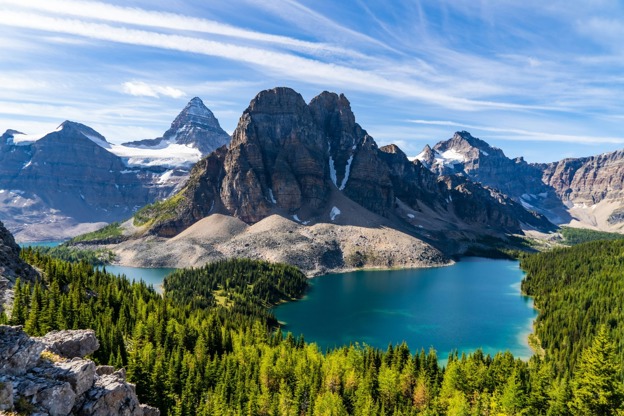
The Canadian Rockies were practically built for scenic road travel. Unlike destinations where major attractions are scattered far apart or hidden behind crowded cities, the Rockies connect many of their best experiences through a network of mountain highways, national parks, and scenic overlooks that naturally flow from one stop to the next. Nearly every driving day includes glacier views, turquoise lakes, wildlife sightings, hiking opportunities, and mountain scenery that constantly changes around each turn.
One of the biggest reasons travelers choose a Canada Rockies road trip is the incredible concentration of scenery packed into a relatively manageable driving route. Within just a few hours, travelers can move between:
-
Banff National Park
-
Yoho National Park
-
Jasper National Park
-
The world-famous Icefields Parkway
-
Iconic lakes like Lake Louise and Moraine Lake
Because the national parks connect so seamlessly together, travelers spend less time navigating complicated routes and more time actually experiencing the mountains.
The Drive Becomes Part of the Experience
In many vacations, driving is simply a way to reach the destination. In the Canada, the drive itself often becomes the highlight of the trip. Roads like the Icefields Parkway and Bow Valley Parkway are lined with glacier views, alpine forests, waterfalls, rivers, and dramatic mountain peaks that make even short drives feel unforgettable.
Along the road, travelers frequently stop for:
-
Scenic viewpoints and lookout points
-
Wildlife viewing opportunities
-
Waterfalls like Athabasca Falls and the Upper Falls areas
-
Short hikes near lakes and canyons
-
Picnic lunch stops beside rivers and mountain lakes
Even simple roadside pullouts can turn into major highlights on a sunny day when the surrounding mountains reflect across glacier-fed lakes.
National Parks Create an Immersive Experience
Another reason the Rockies work so well for road trips is the way the national parks are designed around outdoor exploration. Instead of quickly visiting one landmark before moving on, travelers naturally spend entire days exploring:
-
Hiking trails
-
Scenic lakes
-
Canyon walks
-
Mountain towns
-
Campgrounds
-
Wildlife corridors
For example, a single Lake Louise day may include canoeing on the lake, hiking near the Ten Peaks, exploring nearby Moraine Lake, and driving scenic roads toward Yoho National Park before returning to camp for the evening.
The parks also encourage slower travel. Tour buses often crowd major viewpoints during the busy summer months, but travelers with flexible itineraries can wake up early, stay later into the evening, or explore less crowded areas beyond the most photographed stops.
RV Travel Fits the Rockies Naturally
The Canadian Rockies are especially ideal for RV travel because the region’s best experiences happen outdoors and away from larger cities. RV travelers can stay closer to hiking trails, lakes, and scenic spots while avoiding the need to constantly repack between hotels.
Popular RV-friendly areas include:
-
Lake Louise Campground
-
Campgrounds near downtown Jasper
-
Scenic overnight areas just west of Banff town
-
National park campgrounds along the Icefields Parkway
-
Forest campgrounds throughout British Columbia
This flexibility allows travelers to fully experience sunrise and sunset in the mountains rather than rushing back to accommodations outside the parks.
What Makes the Canadian Rockies So Unique?
There are mountain ranges all over the world, but the Canadian Rockies feel different almost immediately. The scale of the landscape is larger, the highways feel more remote, and the scenery changes constantly as you drive between national parks, forests, lakes, and glacier valleys. This road trip is not simply about visiting a few famous destinations; it is about experiencing an entire region where the natural scenery feels dramatic in nearly every direction.
One of the most recognizable features of the Canadian Rocky Mountains is the color of the lakes. Glacier-fed water filled with fine rock sediment creates the bright turquoise and emerald colors that have made destinations like Lake Louise, Moraine Lake, Peyto Lake, and Emerald Lake famous around the world.
On a sunny day, these lakes almost appear unreal against the surrounding mountains and alpine forests. Even travelers who have seen photos of the region are often surprised by how vibrant the colors look in person.
The Highways Connect the Scenery Seamlessly
Another thing that makes the mountain range so unique is how connected the major destinations feel. Travelers can drive between multiple national parks while remaining surrounded by mountain scenery for nearly the entire journey.
The most famous example is the Icefields Parkway, widely considered one of the most scenic highways in the world. Stretching between Banff National Park and Jasper National Park, the road passes:
-
Massive glaciers and icefields
-
Waterfalls and rivers
-
Wildlife corridors
-
Mountain lakes
-
Alpine forests
-
Snow-covered peaks
Even short stretches of the drive often include multiple scenic pullouts and hiking opportunities.
The Bow Valley Parkway offers a different experience, with slower driving speeds and more opportunities for wildlife viewing, forest scenery, and quieter roadside stops compared to the busier Trans Canada Highway.
Wildlife Is Part of Everyday Travel
In many mountain destinations, wildlife sightings feel rare or unexpected. In the Canadian Rockies, they are simply part of the experience. Travelers frequently spot:
-
Elk near Banff town
-
Mountain goats along rocky roadside cliffs
-
Bears crossing highways or feeding in valleys
-
Bighorn sheep near lookout points
-
Moose near lakes and forest areas
Because wildlife corridors cross many roads throughout the parks, travelers should always carry bear spray when hiking and remain alert while driving, especially during early morning or evening hours.
The Mountains Feel More Immersive
Compared to many mountain destinations in the United States, the Canadian Rockies often feel wilder and more immersive because of the amount of protected land spread across the region. The national parks connect together across huge sections of Alberta and British Columbia, creating long stretches where development feels minimal, and the mountains dominate the landscape.
This creates experiences where travelers can:
-
Wake up beside glacier-fed lakes
-
Spend hours driving without leaving the mountain scenery
-
Hike directly into alpine environments
-
Camp near rivers and waterfalls
-
Watch sunrise and sunset from scenic campgrounds
The combination of dramatic scenery and relatively low urban development gives the region a much more remote and expansive feeling than many first-time visitors expect.
The Road Trip Becomes the Adventure
Perhaps most importantly, the Canadian Rockies transform the idea of a traditional road trip. Instead of focusing only on reaching a destination, the drive itself becomes central to the experience.
Travelers may stop unexpectedly at:
-
A lookout point overlooking the Bow River
-
A roadside waterfall along the Icefields Parkway
-
A scenic picnic area near Bow Lake
-
A hidden hiking trail near a mountain lake
-
A quiet forest pullout surrounded by mountain peaks
These unplanned moments are often what travelers remember most long after the trip ends.
That is what makes a Canadian Rockies road trip feel less like a vacation itinerary and more like a true mountain adventure.
Suggested 7–10 Day Canada Rockies Road Trip Itinerary
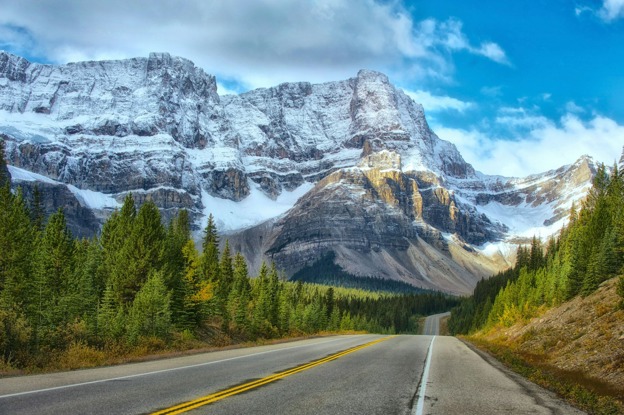
One of the best ways to experience the Canadian Rockies is by taking a slower-paced road trip that allows enough time for scenic drives, hiking, wildlife viewing, and unplanned stops throughout the mountains. While some travelers attempt to rush through Banff and Jasper in just a few days, the region is best enjoyed with flexibility and time built into the itinerary.
This suggested Canada Rockies road trip itinerary focuses on Alberta and portions of British Columbia while balancing iconic destinations with realistic driving times and outdoor experiences.
Day 1: Calgary to Banff
Most travelers begin their Canadian Rockies trip near Calgary International Airport before heading west toward the mountains. The drive to Banff National Park takes roughly 1.5 to 2 hours, but the scenery changes dramatically as the mountains begin rising in the distance along the Trans Canada Highway.
Before leaving Calgary, travelers often:
-
Stock up on groceries and road trip snacks
-
Purchase a national parks pass
-
Fill fuel tanks before entering the parks
-
Explore areas like Prince's Island Park if arriving early
Once inside Banff National Park, many travelers spend the afternoon:
-
Exploring downtown Banff and Banff Avenue
-
Visiting Banff Upper Hot Springs
-
Driving toward Tunnel Mountain overlooks
-
Stopping at scenic viewpoints near the Bow River
Travelers staying overnight in Banff town should expect heavier crowds during the busy summer months, especially near restaurants, parking areas, and tour bus stops.
Days 2–3: Banff, Lake Louise, and Moraine Lake
The next few days are usually spent exploring some of the most iconic scenery in the Canadian Rocky Mountains. A full Lake Louise day often becomes one of the highlights of the entire Rockies road trip.
Popular stops include:
-
Lake Louise
-
Moraine Lake
-
Johnston Canyon
-
Lake Minnewanka
-
The Bow Valley Parkway
Travelers frequently spend time:
-
Hiking toward the Lower Falls and Upper Falls at Johnston Canyon
-
Canoeing on Lake Louise or Moraine Lake
-
Taking photos of the Ten Peaks surrounding Moraine Lake
-
Exploring scenic drives near Bow Lake and the Bow River valley
-
Visiting landmarks like Fairmont Chateau Lake Louise and Fairmont Banff Springs Hotel
During early September and summer weekends, these areas can become extremely crowded, so early morning visits are often the best way to avoid heavy tour bus traffic and limited parking.
Many RV travelers stay at Lake Louise Campground because of its central location near many of the region’s top attractions.
Days 4–5: Driving the Icefields Parkway
The drive north along the Icefields Parkway is often considered the centerpiece of the entire Canada Rockies road trip. Stretching between Banff and Jasper, this highway passes glaciers, waterfalls, mountain peaks, and turquoise lakes for nearly the entire route.
The drive is relatively short in mileage but should never be rushed. Travelers typically spend an entire day or longer exploring stops along the Icefields Parkway.
Popular stops include:
-
Peyto Lake
-
Bow Lake
-
The Columbia Icefield
-
Athabasca Glacier
-
Athabasca Falls
Gas stations are limited along the Icefields Parkway, so travelers should fuel up before leaving Banff or Lake Louise.
Because the scenery changes constantly, many travelers say this portion of the Rockies road trip becomes the most memorable part of the journey.
Days 6–7: Jasper National Park
After driving north through the Icefields Parkway, travelers arrive in Jasper National Park, which feels noticeably quieter and more rugged than Banff. While Banff tends to attract larger crowds and busier tourism activity, Jasper offers a more relaxed atmosphere with easier access to wildlife viewing, lakes, hiking trails, and scenic drives throughout the surrounding mountains.
Many travelers spend at least two days exploring the Jasper region because there are so many outdoor experiences spread throughout the park.
Popular Jasper attractions include:
-
Maligne Lake
-
Maligne Canyon
-
Pyramid Lake
-
Pyramid Lake Lodge
-
Scenic viewpoints surrounding downtown Jasper
Travelers often spend their time:
-
Canoeing or kayaking on Maligne Lake
-
Hiking through Maligne Canyon
-
Photographing mountain peaks reflected in Pyramid Lake
-
Relaxing in quieter campgrounds away from larger crowds
Jasper is also one of the best places in the Canadian Rockies for wildlife viewing. Elk, bears, mountain goats, and bighorn sheep are commonly spotted throughout the park.
Downtown Jasper itself is smaller and quieter than Banff town, but it still offers:
-
Restaurants and cafes
-
Outdoor gear shops
-
A few accommodation options
-
Grocery stores and supplies for RV travelers
Many travelers appreciate Jasper because it feels less commercialized and more connected to the surrounding wilderness.
Days 8–9: Yoho and British Columbia Stops
After exploring Jasper, many travelers begin heading back south while adding stops throughout Yoho National Park and other sections of British Columbia.
This portion of the Canadian Rockies road trip often includes some of the region’s most underrated scenery.
Popular stops include:
-
Emerald Lake
-
Emerald Lake Lodge
-
Natural Bridge
Emerald Lake is especially popular because of its vivid green water surrounded by forest and mountain scenery. Many travelers consider it slightly quieter and less crowded than Lake Louise while still offering incredible views.
Travelers looking for additional hiking opportunities may also explore:
-
Helen Lake trails
-
Scenic overlooks near Bow Lake
-
Mountain biking routes throughout the region
Because this section of the Rockies feels slightly less crowded than Banff and Lake Louise, many RV travelers choose to spend extra time here before beginning the return drive toward Calgary.
Day 10: Returning to Calgary
The final portion of the road trip typically follows the Trans Canada Highway back toward Calgary. While many travelers head directly to the airport, others choose to spend one final night in Banff or Calgary before ending the trip.
Depending on timing, travelers may still have time for:
-
One final scenic drive along the Bow Valley Parkway
-
Visiting Jack Lake or Two Jack Lake
-
Relaxing beside the Bow River
-
Exploring downtown Banff one last time
The Best Stops Along the Icefields Parkway
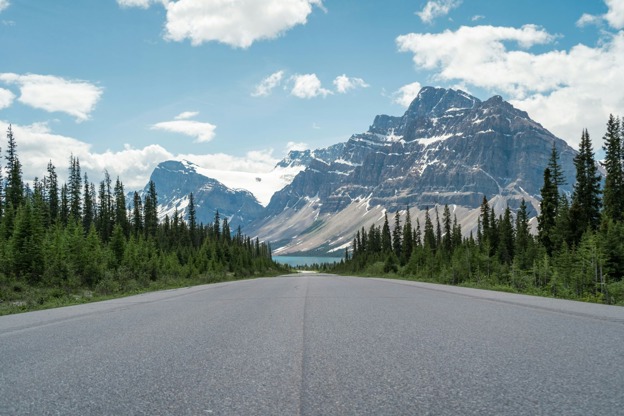
The Icefields Parkway is widely considered one of the most scenic drives in the world, and for good reason. Stretching roughly 145 miles between Banff National Park and Jasper National Park, the highway passes glaciers, waterfalls, alpine lakes, rivers, forests, and towering mountain peaks for nearly the entire drive.
Although the route can technically be driven in just a few hours, most travelers quickly realize the experience is about far more than simply getting from Banff to Jasper. Scenic pullouts, hiking trails, wildlife sightings, and glacier viewpoints constantly encourage travelers to stop along the way.
Bow Lake
One of the first major stops heading north from Lake Louise is Bow Lake, a stunning lake surrounded by dramatic mountain scenery and glacier-fed water. Because the lake sits directly beside the highway, it is one of the easiest scenic stops along the route.
Travelers often stop here for:
-
Photography and sunrise views
-
Short lakeside walks
-
Picnic lunch breaks
-
Reflections of the surrounding mountains on calm mornings
On a sunny day, the blue water and snow-covered peaks create one of the most recognizable views in the Canadian Rocky Mountains.
Peyto Lake
Few viewpoints in the Canadian Rockies are as instantly recognizable as Peyto Lake. Famous for its bright turquoise color and wolf-head-shaped outline from above, Peyto Lake has become one of the most photographed stops along the Icefields Parkway.
The main lookout point requires only a short walk from the parking area, making it accessible for most travelers. However, arriving early is highly recommended during busy summer months because parking lots and tour bus traffic can become extremely crowded by mid-morning.
Columbia Icefield and Athabasca Glacier
The Columbia Icefield marks the halfway point of the Icefields Parkway and remains one of the most dramatic glacier landscapes in North America. The massive icefield feeds several glaciers throughout the region, including the famous Athabasca Glacier.
This area gives travelers the chance to experience:
-
Glacier viewpoints
-
Icefield tours
-
Educational exhibits about glacial retreat
-
Sweeping mountain scenery stretching in every direction
Even travelers who skip the guided glacier experiences often stop simply to take in the scale of the surrounding landscape.
Because weather conditions can change quickly here, temperatures are often significantly cooler than in lower elevations throughout Banff and Jasper.
Athabasca Falls
While many lakes along the Icefields Parkway receive most of the attention, Athabasca Falls is one of the most powerful waterfall stops in the Canadian Rockies. Unlike taller waterfalls in other mountain ranges, Athabasca Falls is known for the immense force of water crashing through narrow canyon walls.
The waterfalls are especially impressive during summer snowmelt when water levels remain high throughout the region.
RV Travel Tips for the Canadian Rockies
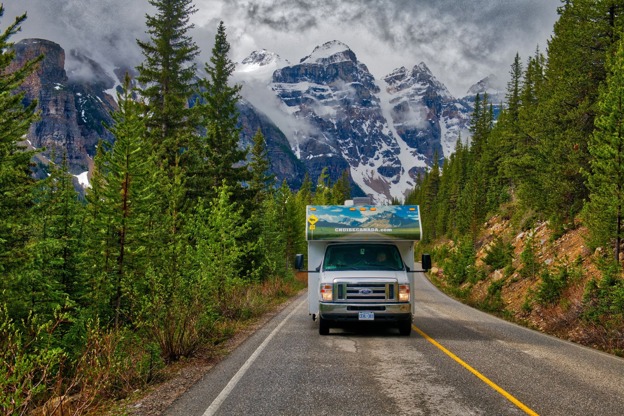
RV travel is one of the best ways to experience the Canadian Rockies, but mountain driving and national park travel require a little more planning than a standard road trip. Campgrounds fill quickly during peak season, wildlife is extremely active throughout the parks, and weather conditions can shift rapidly depending on elevation and time of day.
Fortunately, a little preparation goes a long way toward making a Canadian Rockies road trip smoother, safer, and far more enjoyable.
Reserve Campgrounds Early
One of the biggest mistakes travelers make is underestimating how busy the region becomes during summer. Campgrounds throughout Banff National Park and Jasper National Park can book out months in advance during the busiest travel periods.
Popular RV camping areas include:
-
Lake Louise Campground
-
Tunnel Mountain campgrounds near Banff town
-
Campgrounds near downtown Jasper
-
RV sites throughout Yoho National Park
-
Scenic forest campgrounds along the Icefields Parkway
Be Prepared for Mountain Driving
Driving an RV through the Canadian Rocky Mountains is very manageable for most travelers, but mountain roads require slower speeds and additional awareness compared to flat highway driving.
Important mountain driving tips include:
-
Use lower gears on long downhill sections
-
Brake gradually instead of riding the brakes continuously
-
Watch carefully for wildlife crossing the road
-
Expect changing weather conditions at higher elevations
-
Keep extra distance between vehicles on winding roads
Fuel Stops Can Be Limited
One thing many first-time visitors underestimate is how few gas stations exist throughout portions of the Canadian Rockies. Fuel becomes especially limited along the Icefields Parkway between Banff and Jasper.
Before starting longer driving days:
-
Fill fuel tanks in Banff, Lake Louise, or Jasper
-
Carry extra water and road trip snacks
-
Download maps in case cell service becomes limited
-
Avoid waiting until the last minute for fuel stops
Because the scenery encourages frequent pullouts and slower travel, driving days may take longer than expected, even when the mileage looks relatively short on a map.
Wildlife Safety Matters
Wildlife encounters are one of the highlights of any Canadian Rockies road trip, but safety should always remain a priority. Elk, bears, mountain goats, and bighorn sheep are commonly spotted throughout the parks and often appear surprisingly close to roads, campgrounds, and hiking trails.
Travelers should:
-
Always carry bear spray on hikes
-
Never approach wildlife for photos
-
Store food properly at campgrounds
-
Stay alert while driving early in the morning or near sunset
-
Respect all wildlife closure areas and posted signs
The parks work hard to protect wildlife corridors throughout the region, and responsible travel helps preserve these natural habitats.
Build Flexibility Into the Itinerary
One of the best things about a Canada Rockies road trip is that some of the most memorable experiences happen unexpectedly. Travelers may discover a quiet lake, an uncrowded hiking trail, or a scenic roadside pullout they originally had no plans to visit.
That is why flexible travel works so well in the Rockies, especially by RV. Instead of rushing between hotels or fixed reservations every night, RV travelers can:
-
Spend extra time at favorite locations
-
Adjust plans around weather conditions
-
Stay longer near scenic lakes and hiking trails
-
Enjoy sunrise and sunset in the mountains
-
Explore less crowded areas outside the busiest tourist stops
In many ways, that slower pace is what makes RV travel through the Canadian Rockies feel so immersive and rewarding.
Explore the Canadian Rockies With Cruise America
From glacier-fed lakes and alpine forests to scenic mountain highways and unforgettable wildlife encounters, the Canadian Rockies offer one of the most rewarding road trip experiences in North America.
With an RV rental from Cruise America, travelers can stay closer to the national parks, scenic highways, and outdoor adventures that make the Canadian Rockies so iconic. From waking up beside mountain lakes to discovering unexpected roadside viewpoints along the journey, RV travel allows you to experience the Rockies in a way that feels immersive, flexible, and unforgettable. Book your ride today!