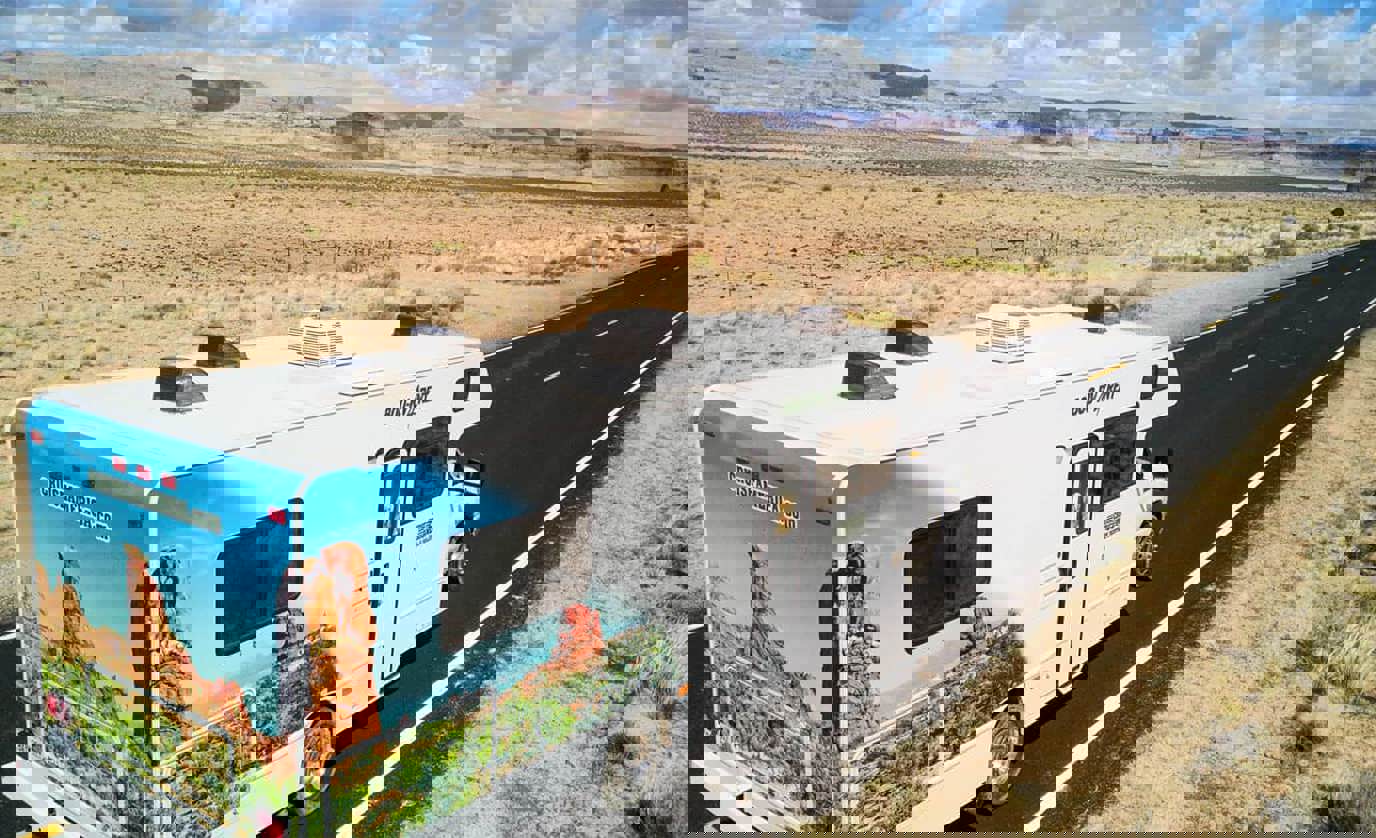
How to Save Money on Gas: Tips for Travelers
- RV Lifestyle
- Road Trip
There's nothing quite like hitting the open road; windows down, a full tank of gas, and the freedom to go wherever the map takes you. But if you've filled up an RV recently, you know that fuel costs can take a serious bite out of your travel budget. With fluctuating gas prices seemingly always in the headlines, it's no surprise that one of the most common questions travelers ask before a road trip is: "How do I keep fuel from draining my wallet?”
The good news is that saving money on gas isn't about skipping destinations or cutting your trip short. It's about traveling smarter. Whether you're planning a quick weekend getaway or an ambitious cross-country trip, a handful of practical strategies can make a meaningful difference in what you spend at the pump and what's left over to enjoy the journey.
In this guide, we'll walk you through everything you need to know: from route planning and smart driving habits to RV-specific tips that help you stretch every gallon further. You'll also find out how an RV vacation stacks up against the cost of flying and staying in hotels, and why the numbers might surprise you.
Why Gas Costs Matter More on an RV Vacation
When you're planning an RV trip, fuel isn't just a line item, it's often the single largest variable expense in your entire budget. Unlike a hotel stay or a plane ticket that you book once and forget, gas costs accumulate every mile you drive, and they can shift significantly based on where you're traveling and when.
Understanding why RVs use more fuel than standard cars is the first step toward budgeting realistically and finding ways to save.
RVs Are Built for Comfort, Not Fuel Economy
Most RVs are large, heavy vehicles that prioritize living space over mileage efficiency. Here's a general breakdown of what you can expect from different RV classes:
|
RV Class |
Type |
Average MPG |
|
Class A Motorhome |
Large coach-style RV |
7–13 MPG |
|
Class B Motorhome |
Camper van |
18–25 MPG |
|
Class C Motorhome |
Mid-size cab-over RV |
14–18 MPG |
|
Travel Trailer (towed) |
Towed by a truck or SUV |
Reduces tow vehicle MPG by 30–40% |
How Fuel Fits Into Your Overall RV Budget
When estimating your gas cost for an upcoming RV trip, a few key factors come into play:
-
Distance: How many miles is your route, total?
-
Your RV's fuel economy: What MPG does your specific unit get?
-
Current gas prices: What are fuel prices looking like along your route?
-
Fuel type: Does your RV run on regular gasoline or diesel?
A simple way to estimate your total fuel spend is to divide the total miles of your trip by your RV's MPG, then multiply by the current average price per gallon. For example, a 1,000-mile trip in a Class C motorhome getting 15 MPG at $3.50 per gallon would cost roughly $233 in fuel, and that's just one direction.
There are also free apps and online tools, like the RV gas cost calculator on RV Trip Wizard, that let you enter your route, RV class, and local fuel prices to get a more precise estimate before you leave home.
The Bigger Picture: RV Travel vs. Flying and Hotels
Before the fuel costs make you second-guess your trip, it's worth zooming out. When you factor in what you're not spending on an RV vacation, hotel rooms, restaurant meals, and baggage fees, the total cost of RV travel often comes out ahead, especially for families or groups with multiple passengers.
Plan Your Route to Maximize Fuel Efficiency
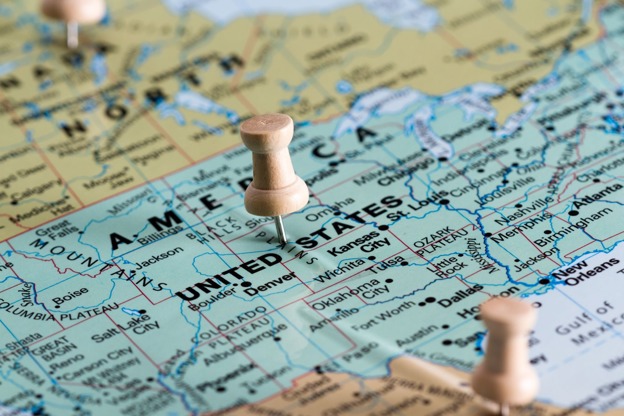
One of the easiest ways to save money on gas before you even leave the driveway is smart route planning. The roads you choose, the stops you make, and the traffic you encounter all have a direct impact on your fuel consumption.
Here are the most effective route planning strategies for RV travelers:
-
Use GPS tools built for RVs. Standard navigation apps like Google Maps don't always account for RV size restrictions, low bridges, or steep grades that force your engine to work harder. Apps like RV Trip Wizard and CoPilot RV are designed specifically for motorhomes and help you find the most efficient, RV-friendly routes.
-
Avoid stop-and-go traffic. Frequent braking and acceleration in city centers or construction zones burns significantly more fuel than steady highway cruising. Whenever possible, plan your driving around peak traffic hours or route around major urban areas entirely.
-
Combine destinations strategically. Rather than crisscrossing a region, plan a logical point-to-point or loop route that minimizes backtracking. Every unnecessary mile is money out of your pocket.
-
Scout fuel stops in advance. Gas prices can vary widely depending on your location; highway exits and tourist-heavy areas tend to charge a premium. Use a free app like GasBuddy to identify the cheapest stations along your planned route before you hit the road.
Use Gas Price Apps and Loyalty Programs
Finding cheap gas on the road doesn't have to be a guessing game. Between smartphone apps and rewards programs, there are plenty of tools that make it easy to spend less every time you fill up.
Gas Price Apps
A good gas price app can save you a noticeable amount over the course of a long RV trip, especially when you're covering hundreds of miles through unfamiliar territory. Here are a few worth downloading before you leave:
|
App |
Cost |
Best For |
|
GasBuddy |
Free |
Finding the cheapest nearby stations in real time |
|
Gas Guru |
Free |
Quick price comparisons along a route |
|
AAA Mobile |
Free |
Members get added discounts and trip planning tools |
|
Waze |
Free |
Combines navigation with crowd-sourced gas prices |
A quick tip: don't drive significantly out of your way just to save a few cents per gallon. Factor in the extra miles and fuel you'd burn getting there, and sometimes the slightly pricier station right off the highway is still the better deal.
Loyalty Programs and Rewards
Beyond apps, loyalty programs are one of the most underused ways to save money at the pump. Here's where to look:
-
Gas station rewards: Chains like Shell, Exxon Mobil, and BP all offer free loyalty programs that earn you cents off per gallon with every fill-up. For RV owners filling large tanks, those per-gallon savings add up quickly.
-
Grocery store fuel points: Many major grocery chains, including Kroger, Safeway, and Giant, let you earn fuel points on everyday grocery purchases that can be redeemed for discounts at the pump.
-
Warehouse clubs: Costco and Sam's Club consistently offer some of the lowest gas prices available, often 15–25 cents below the local average. A membership can pay for itself on fuel savings alone during a long trip.
-
Credit card rewards: Some travel and cash-back credit cards offer elevated rewards on gas purchases. Check whether your card lets you redeem points for gas gift cards as well.
How to Save Money on Gas Through Smart Driving Habits
Your driving behavior has just as much impact on fuel economy as the vehicle you're driving. This is especially true for RVs, where the combination of size, weight, and wind resistance means that aggressive driving habits can send your MPG plummeting. The good news is that a few simple adjustments behind the wheel can make a real difference in your gas cost over a long trip.
Key habits to adopt:
-
Drive at fuel-efficient speeds. Fuel economy drops significantly at higher speeds due to increased wind resistance. For most RVs, the sweet spot is between 55 and 65 mph. Every 5 mph you drive over 65 mph can reduce your fuel efficiency by as much as 7–14%.
-
Accelerate gradually and brake early. Rapid acceleration and hard braking are among the biggest fuel wasters on the road. Ease into your speed and anticipate stops well in advance.
-
Use cruise control on open highways. Maintaining a consistent speed is one of the most effective ways to improve mileage on long stretches of highway. Most RVs benefit significantly from cruise control on flat, open roads.
-
Limit idling. An idling RV can burn through fuel surprisingly fast. If you're parked and waiting, whether at a rest stop or a campsite with hookups, turn the engine off rather than letting it run.
-
Keep windows closed at highway speeds. Open windows create aerodynamic drag that forces your engine to work harder. At highway speeds, it's more fuel efficient to use your climate control system than to drive with the windows down.
Here's a quick summary of how these habits impact your fuel economy:
|
Driving Habit |
Impact on Fuel Economy |
|
Driving 55–65 mph vs. 75+ mph |
Up to 14% better MPG |
|
Smooth acceleration vs. rapid |
Up to 40% better MPG in traffic |
|
Cruise control on highways |
Noticeable improvement on flat roads |
|
Excessive idling |
Can burn up to 0.5 gallons per hour |
|
Open windows at highway speeds |
Reduces MPG due to aerodynamic drag |
Vehicle Maintenance Tips That Improve Fuel Economy

Before you head out on your RV trip, a little preventive maintenance can go a long way toward improving your fuel economy and avoiding costly surprises on the road. These aren't complicated fixes; they're simple checks that any RV owner can stay on top of with minimal effort.
Before every trip, make sure you:
-
Check and inflate your tires properly. Underinflated tires create extra rolling resistance, which forces your engine to work harder and burn more fuel. According to the U.S. Department of Energy, you can improve your gas mileage by up to 3% just by keeping tires at the correct pressure. For RVs, which are heavier than standard cars, this effect is even more pronounced. Check the manufacturer's recommended PSI, which is typically found on a sticker inside the driver's side door.
-
Stay current on oil changes. Using the right grade of motor oil and changing it on schedule reduces engine friction, which directly supports better fuel economy. The U.S. Department of Energy notes that using the manufacturer's recommended motor oil can improve gas mileage by 1–2%.
-
Remove unnecessary weight. Every extra pound your RV carries increases the amount of fuel it takes to move it down the road. Before your trip, take stock of what's on board and leave behind anything you won't realistically need. This includes heavy tools, duplicate gear, and items left over from previous trips.
-
Remove roof racks and exterior accessories when not in use. Unused bike racks, cargo carriers, and roof-mounted accessories add aerodynamic drag that hurts your mileage, especially at highway speeds.
-
Keep your fuel tank at least a quarter full. Running too low can draw sediment from the bottom of the tank into the fuel line, potentially causing mechanical issues. It also means you're more likely to fill up at a less convenient and more expensive station out of necessity.
|
Maintenance Task |
Estimated Fuel Economy Benefit |
|
Proper tire inflation |
Up to 3% improvement in MPG |
|
Correct motor oil grade |
1–2% improvement in MPG |
|
Removing 100 lbs of excess weight |
Up to 1% improvement in MPG |
|
Removing roof/cargo racks |
Noticeable improvement at highway speeds |
Choose the Right Time to Travel
When you travel can be just as important as how you travel when it comes to managing fuel costs. Gas prices fluctuate based on the day of the week, the season, and even the time of day, and a little timing awareness can help you fill up for less and drive more efficiently.
When to Fill Up
-
Fill up on Sundays. According to a GasBuddy analysis, Sunday is consistently the cheapest day to buy gas in most states. Midweek days, particularly Wednesday through Friday, tend to see the highest prices.
-
Avoid filling up near highway exits and tourist areas. Stations in high-traffic travel corridors typically charge a premium. When possible, pull into a nearby town or neighborhood station instead.
-
Fill up in the morning. Gasoline is slightly denser in cooler temperatures, meaning you get marginally more fuel per gallon when you fill up before the heat of the day sets in.
When to Hit the Road
-
Travel during shoulder seasons. Spring and early fall offer some of the best conditions for RV travel, campgrounds are less crowded, fuel prices tend to be lower than peak summer rates, and popular destinations are far more enjoyable without the summer crowds.
-
Avoid holiday weekends. Memorial Day, Fourth of July, and Labor Day weekends consistently see spikes in both traffic and gas prices. If your schedule is flexible, shifting your departure by even a few days can make a noticeable difference.
-
Drive during off-peak hours. Leaving early in the morning or later in the evening helps you avoid congested highways where stop-and-go traffic burns through fuel and adds time to your trip.
|
Travel Timing Strategy |
Potential Benefit |
|
Fill up on Sundays |
Lowest average gas prices nationally |
|
Avoid holiday weekends |
Lower traffic volume and fuel prices |
|
Travel in shoulder seasons |
Better campground rates and less congestion |
|
Fill up away from highway exits |
Often 10–20 cents cheaper per gallon |
|
Drive during off-peak hours |
Less stop-and-go, better fuel economy |
How RV Travelers Can Offset Fuel Costs
Fuel is a real expense on any RV trip, but it's only one piece of the overall budget picture. Savvy RV travelers know that there are several ways to cut costs in other areas that can effectively cancel out, or even exceed, what you spend at the pump. Here are the most impactful strategies:
Cook Your Own Meals
One of the biggest financial advantages of RV travel is having a fully equipped kitchen on board. Rather than spending $15–$20 per person on restaurant meals three times a day, you can stock up at a grocery store and prepare your own food for a fraction of the cost. For a family of four on a week-long trip, cooking in the RV instead of dining out could easily save $500 or more.
Stay Longer at Each Destination
The less you drive, the less you spend on fuel. One of the most effective ways to stretch your road trip budget is to slow down and stay put for longer stretches at each stop. Instead of moving the RV every day, spend two or three nights at each destination and explore the surrounding area by car or on foot. You'll save on fuel, reduce wear on your vehicle, and often get a better feel for the places you visit.
Plan Your Campsites Strategically
Where you stay has a direct impact on how much you drive and how much you spend. Consider these campsite planning tips:
-
Book campsites close to your planned activities to minimize daily driving from your base.
-
Use free or low-cost camping options like Bureau of Land Management (BLM) land, national forests, and Harvest Hosts locations to reduce nightly campsite fees.
-
Invest in an America the Beautiful Pass ($80/year) for free entry to national parks and federal recreation areas, a significant saving if your route includes multiple parks.
-
Look for campgrounds with full hookups so you can turn off your generator and avoid burning extra fuel for power.
Take Advantage of Grocery Savings on the Road
Beyond cooking your own meals, a few smart grocery habits can stretch your food budget even further:
-
Shop at warehouse clubs like Costco along your route for bulk staples at lower prices
-
Use grocery store loyalty apps to find digital coupons and weekly deals
-
Plan meals around what's on sale rather than building a rigid menu in advance
-
Stock a cooler with snacks and drinks to avoid expensive gas station purchases throughout the day
|
Cost Category |
Typical Hotel/Flight Trip |
RV Trip Estimate |
|
Accommodation (7 nights) |
$1,400–$2,100 |
$200–$500 |
|
Dining (7 days, family of 4) |
$1,200–$1,800 |
$400–$600 |
|
Transportation |
$800–$1,500 (flights + rental car) |
$300–$600 (fuel) |
|
Estimated Total |
$3,400–$5,400 |
$900–$1,700 |
Even with RV gas prices factored in, the total cost of an RV vacation frequently comes in well below what a comparable trip would cost when you add up flights, hotels, and restaurant meals.
Hit the Road for Less with Cruise America
Fuel costs are a real part of any road trip budget, but as this guide shows, they're also one of the most controllable expenses you'll face on the road. From planning a smarter route and downloading a free app to adjusting your driving habits and cooking your own meals at the campsite, small decisions add up to big savings over the course of a trip.
The beauty of RV travel is that flexibility is built into the experience. You're not locked into a flight schedule or a hotel reservation; you can adjust your route, extend your stay, or take the scenic road whenever the mood strikes. And with the right planning, that freedom doesn't have to come with a hefty price tag.
Ready to start planning your next adventure? Book your RV today!