Road Trip Through Canada: When, Why, & Where
- RV Destinations
- Family Friendly
- Road Trip
A road trip through Canada is unlike almost any other travel experience in the world. From the towering Rocky Mountains of British Columbia and Alberta to the coastal cliffs of Atlantic Canada, the country offers an incredible variety of landscapes connected by scenic highways, national parks, lakes, forests, and small towns. Whether you are planning a shorter regional getaway or a full cross-Canada road trip, driving allows travelers to experience the scale, natural beauty, and diversity in a way flying simply cannot match.
One of the biggest reasons travelers choose a Canada road trip is the freedom to explore at their own pace. Some routes wind through mountain national park scenery filled with turquoise lakes and glacier views, while others follow rugged coastlines, prairie highways, or forest-lined roads stretching for hundreds of miles. Along the way, travelers can stop in historic towns, park overnight near scenic waterways, take side trips to hiking trails and hot springs, or spend a few extra days exploring national parks that would otherwise be difficult to experience on a tightly scheduled vacation.
The country is especially well-suited for RV travel because of its wide-open geography and strong campground infrastructure. Travelers can spend weeks exploring remote destinations while staying close to nature, making spontaneous detours, and adjusting routes depending on weather, wildlife sightings, or seasonal activities. A cross-country road trip through Canada often becomes less about reaching a final destination and more about the experiences discovered between stops.
For Americans, road-tripping through Canada also feels relatively accessible compared to many other international adventures. Border crossings are straightforward with proper documentation, roads are well-maintained throughout most regions, and the Trans Canada Highway connects many of the country’s most famous destinations from coast to coast.
Whether you want to drive through the Canadian Prairies, explore the west coast and Vancouver Island, experience whale watching in the Canadian Atlantic, or hike through iconic destinations like Banff National Park and Gros Morne National Park, this guide will help you understand when to go, where to drive, and how to plan an unforgettable Canadian road trip.
Why Canada Is Built for Road Trips
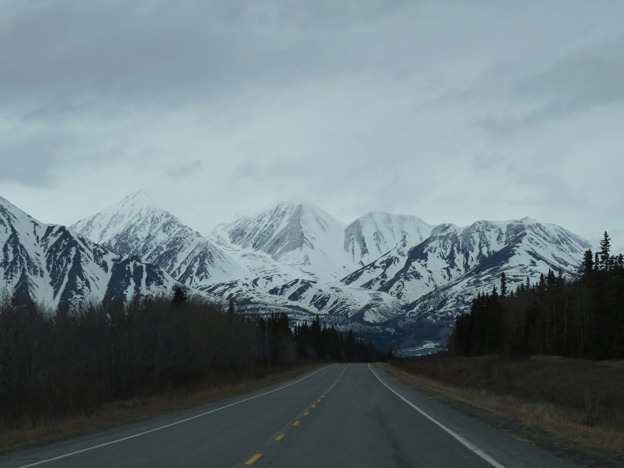
Few countries are better suited for scenic driving than Canada. The country’s massive size, relatively open highways, and constantly changing landscapes create an ideal environment for long-distance travel. Unlike destinations where major attractions are packed closely together, Canada rewards travelers who are willing to slow down, drive longer distances, and experience the scenery between destinations.
One of the biggest advantages of a road trip through Canada is the sheer variety of landscapes travelers can experience within a single trip. Depending on the route, visitors may drive through:
-
Snowcapped Rocky Mountains
-
Forests and lake country throughout Ontario and Quebec
-
Coastal highways in Atlantic Canada
-
Prairie grasslands stretching across the country
-
Rugged west coast scenery
-
Remote northern highways with opportunities to see the northern lights
Because the country is so large, every region feels dramatically different from the next. A traveler beginning a cross-country road trip in Vancouver may spend the first week surrounded by mountain scenery and ocean views before eventually reaching prairie farmland, historic eastern cities, or coastal fishing villages farther east.
The Scenic Routes Are Part of the Experience
In Canada, the drive itself often becomes the highlight of the trip. Many of the country’s most famous destinations are connected by highways specifically known for their natural scenery rather than just their efficiency.
Some of the most iconic routes include:
-
The Trans-Canada Highway stretching across multiple provinces
-
The Cabot Trail through Nova Scotia and Cape Breton Island
-
Mountain highways connecting Banff National Park and Kootenay National Park
-
Northern Ontario drives near Lake Superior Provincial Park and Sleeping Giant Provincial Park
Unlike many urban-focused vacations, a Canadian road trip encourages travelers to embrace long scenic stretches, spontaneous roadside stops, and slower-paced travel days.
Canada Rewards Flexible Travel
Another reason Canada works so well for road trips is the flexibility travelers have once they are on the road. Some destinations are best explored over just a few days, while others deserve an entire week or longer.
For example:
-
Travelers may spend extra time hiking near Lake Louise after originally planning only a short stop
-
Whale watching conditions in Atlantic Canada may encourage a longer coastal stay
-
Weather changes in the Rocky Mountains may shift hiking plans or route timing
-
Small towns and scenic overlooks often turn into unexpected highlights of the trip
This flexibility becomes even more important because driving distances across Canada can be much larger than many travelers initially expect. A cross-Canada trip is not simply about checking destinations off a list, it is about experiencing the changing nature and regional culture throughout the journey itself.
The Best Time of Year To Road Trip Through Canada
Because Canada stretches across such a vast country, the best time for a road trip through Canada depends heavily on the regions travelers want to explore and the type of experience they are looking for. Mountain highways, coastal routes, prairie drives, and northern regions can all have dramatically different weather conditions at the same time of year.
For most travelers, late spring through early fall provides the best balance of road accessibility, comfortable temperatures, and outdoor recreation opportunities. However, each season offers different advantages depending on the route and activities planned.
Summer Road Trips Across Canada
Summer is the most popular season for a Canada road trip, especially for travelers visiting national parks, mountain destinations, and coastal regions. Longer daylight hours allow for more driving flexibility and outdoor activities throughout the day, while warmer temperatures open access to hiking trails, lakes, and remote scenic highways that may still have snow closures earlier in the year.
Summer is ideal for:
-
Exploring Banff National Park and the Rocky Mountains
-
Driving the Cabot Trail in Nova Scotia
-
Visiting Prince Edward Island National Park
-
Kayaking, canoeing, and whale watching throughout Atlantic Canada
-
Mountain biking and hiking throughout British Columbia and western Canada
Summer also tends to be the best season for travelers planning a full cross-country road trip because most highways, campgrounds, and national park facilities remain fully operational.
However, travelers should also expect:
-
Higher campground demand
-
More crowded national parks
-
Increased prices in tourist regions
Reservations become especially important during July and August in popular areas throughout the West Coast and Rocky Mountain regions.
Fall Colors and Shoulder Season Travel
For many travelers, fall may actually be the best season for a Canadian road trip. Cooler temperatures, changing foliage, and smaller crowds create a quieter and more scenic travel experience throughout much of the country.
Fall road trips are especially popular in:
-
Southern Ontario near the Lawrence River and lake country
-
Quebec City and eastern Canada
-
Northern Ontario near Lake Superior Provincial Park
-
Cape Breton Island during Cabot Trail foliage season
-
The Canadian Prairies during harvest season
Advantages of fall travel include:
-
More comfortable hiking weather
-
Better campground availability
-
Scenic mountain and forest colors
-
Fewer crowds at major destinations
-
Cooler temperatures for RV travel
Because daylight hours begin shortening during autumn, travelers should plan driving distances carefully, especially in remote regions.
Spring and Winter Considerations
Spring can be an excellent shoulder season for travelers hoping to avoid crowds while still experiencing much of Canada’s natural beauty. Waterfalls and rivers are often at their strongest during spring snowmelt, forests begin turning green again, and many scenic drives reopen after winter conditions.
However, travelers should still be aware that:
-
Mountain weather can remain unpredictable
-
Some hiking trails may still have snow
-
Seasonal campground openings vary by region
-
Wildlife activity increases during spring months
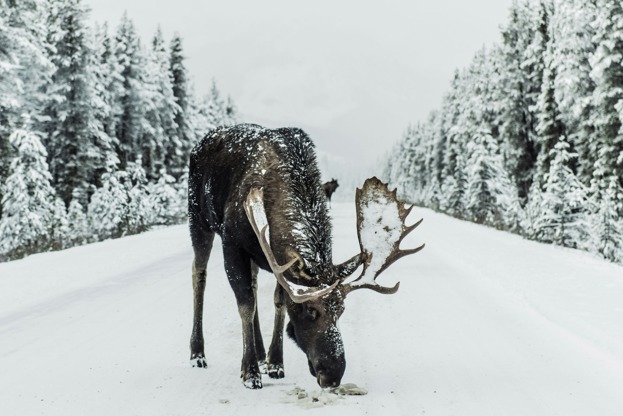
On the flip side, winter road trips through Canada require significantly more preparation and flexibility. While some travelers enjoy winter driving for activities like cross-country skiing, frozen lake scenery, and northern lights viewing, weather conditions can quickly become difficult in mountain and northern regions.
Winter driving considerations include:
-
Snow-covered highways and icy roads
-
Limited daylight hours
-
Cold-weather RV preparation
-
Temporary road closures during storms
-
Reduced access to remote destinations
For most first-time visitors planning a road trip across Canada, summer and early fall remain the easiest and most reliable seasons for exploring the country comfortably and safely.
Choosing the Right Canadian Road Trip Route
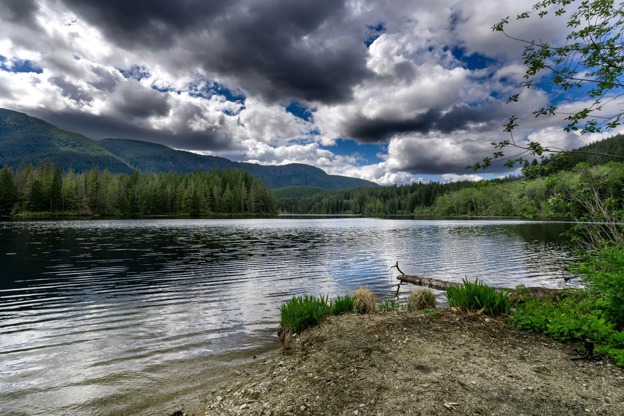
One of the biggest decisions when planning a road trip through Canada is choosing which regions to prioritize. Because Canada is such a vast country, most travelers quickly realize they cannot realistically see everything in a single trip unless they have several weeks available. Instead of trying to rush across the country too quickly, many experienced travelers recommend focusing on specific regions or combining a few major routes into one larger Canadian road trip.
Mountain Routes Through Western Canada
Western Canada is often the first region travelers picture when planning a Canada road trip. The combination of towering Rocky Mountains, turquoise lakes, glacier-fed rivers, and scenic highways creates some of the most famous road trip routes in North America.
Popular Western Canada destinations include:
-
Banff National Park
-
Lake Louise
-
Kootenay National Park
-
The Icefields Parkway between Banff and Jasper
-
Mountain towns throughout British Columbia
This region is ideal for:
-
Hiking and mountain biking
-
Scenic camping
-
Wildlife viewing
-
Hot springs and alpine lakes
-
Glacier and mountain photography
Coastal Drives in Atlantic Canada
For travelers looking for ocean scenery and smaller coastal communities, Atlantic Canada offers one of the most underrated road trip experiences in the country. The East Coast combines dramatic shorelines, seafood towns, historic fishing villages, and scenic coastal highways that feel completely different from Western Canada.
Popular Atlantic Canada routes include:
-
The Cabot Trail through Cape Breton Island
-
Coastal highways throughout New Brunswick
-
Ferry routes and scenic drives around Prince Edward Island
-
Whale watching routes along the coast
-
The East Coast Trail
Travelers visiting Atlantic Canada often enjoy:
-
Seafood restaurants and harbor towns
-
Coastal hiking trails
-
Ocean sunsets and lighthouse photography
-
PEI National Park beaches
Because distances are generally shorter between destinations than Western Canada, Atlantic Canada works especially well for relaxed RV travel and shorter regional road trips.
Ontario and Quebec Road Trips
Ontario and Quebec offer a completely different type of Canadian road trip focused on lakes, forests, river valleys, and historic cities. This region combines outdoor recreation with cultural destinations, making it ideal for travelers who want both nature and urban exploration during the same trip.
Popular stops include:
-
Quebec City and its historic European-style streets
-
Thunder Bay along Lake Superior
-
Sleeping Giant Provincial Park
-
Scenic drives through northern Ontario lake country
-
Riverfront routes near the Lawrence River
Cross-Country Trans-Canada Adventures
For travelers with enough time, a full cross-Canada trip along portions of the Trans-Canada Highway becomes one of the most ambitious and rewarding road trips in the world. The route connects multiple provinces and allows travelers to experience the full scale of Canada’s landscapes, from coastal highways and mountain ranges to prairie farmland and eastern fishing villages.
A full cross-country road trip may include:
-
Starting on the west coast near Vancouver Island
-
Crossing the Canadian Prairies through Manitoba and Saskatchewan
-
Driving around Lake Superior in northern Ontario
Travelers planning this type of epic trip should understand that Canada’s distances are massive. Many people underestimate how long it takes to comfortably drive across the country, especially when adding national parks, side trips, and scenic detours along the way. Depending on the route, coast to coast stretches close to 5,000 miles.
For that reason, many travelers find that the best Canada road trip is not necessarily the longest one, it is the route that gives them enough time to truly experience the landscapes and destinations along the journey.
What Americans Should Know Before Driving Into Canada
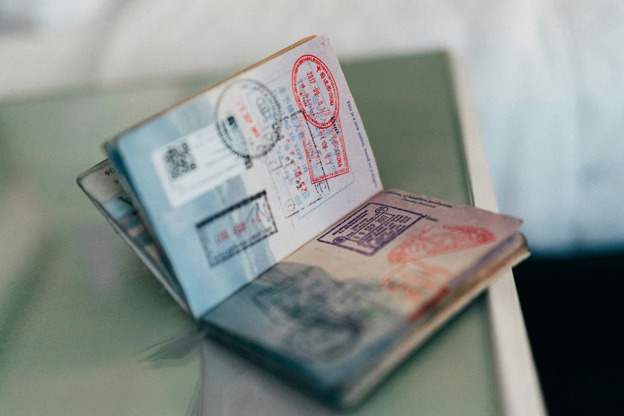
For most Americans, planning a road trip through Canada is relatively straightforward, but there are still a few important things travelers should prepare for before crossing the border. Because many Canadian road trips involve long driving distances, remote highways, and changing weather conditions, a little extra planning can make the experience much smoother.
Border Crossing Requirements
Americans driving into Canada will need:
-
A valid passport or approved travel document
-
Vehicle registration and insurance information
-
RV rental documentation if traveling by motorhome
-
Any required pet vaccination paperwork if bringing pets
Border crossings are generally simple, but travelers should still expect questions about:
-
Final destination plans
-
Length of stay
-
Food, alcohol, or restricted items being transported
-
Camping or overnight travel plans
Depending on the route, some travelers may cross into Canada through states like North Dakota, Michigan, New York, or Washington before continuing their cross-Canada road trip.
Cell Service and Navigation Tips
While major cities and highways generally have reliable coverage, some remote regions throughout Canada can have limited cell service. This becomes especially important in:
-
Mountain regions of British Columbia
-
Northern Ontario highways
-
Atlantic coastal drives
-
Remote provincial park areas
-
Portions of the Trans-Canada Highway
Helpful preparation tips include:
-
Downloading offline maps before driving
-
Carrying physical route information as backup
-
Checking campground locations ahead of time
-
Monitoring weather conditions regularly
RV travelers especially benefit from planning fuel stops and overnight parking locations in advance when driving through less populated regions.
Wildlife and Weather Awareness
Part of what makes a Canadian road trip so scenic is the access to forests, mountains, lakes, and wildlife corridors throughout the country. However, travelers should also remain aware that wildlife encounters are common on many highways.
Drivers may encounter:
-
Elk and deer near mountain highways
-
Moose throughout northern Ontario and Atlantic Canada
-
Bears near forested national park regions
Winter driving can become especially difficult depending on the region. Snowfall, icy roads, and limited daylight hours make winter road trips much more demanding than summer travel, particularly through the Rocky Mountains and northern provinces.
Why RV Travel Is One of the Best Ways To Explore Canada
Because of the country’s size, scenery, and wide-open geography, RV travel is one of the most practical and rewarding ways to experience the Great North. Unlike traditional vacations built around airports, hotels, and fixed schedules, RV travel allows travelers to move through the country at a much more flexible and comfortable pace.
This becomes especially valuable during a cross-country road trip where distances between destinations can be significant, and some of the best scenery is located far from major cities. Instead of constantly checking into hotels or rushing to a final destination, RV travelers can spend more time enjoying where the road takes them.
Easier Access to National Parks and Scenic Regions
Many of Canada’s most famous destinations are naturally suited for RV travel because campgrounds and scenic overnight areas are built directly into the landscapes travelers come to see.
RV travelers can:
-
Park overnight near Banff National Park and the Rocky Mountains
-
Camp close to lakes and hiking trails throughout British Columbia
-
Stay near coastal routes in Atlantic Canada
-
Explore provincial park campgrounds across Ontario and Quebec
-
Wake up beside forests, rivers, and mountain scenery instead of busy city centers
This type of access allows travelers to spend more time outdoors without needing to repeatedly drive back and forth from hotels located farther away from major attractions.
Flexibility Makes Long-Distance Travel Easier
One of the biggest challenges of a road trip across Canada is simply the scale of the country. Driving distances can be much longer than many travelers initially expect, particularly in northern Ontario, the Canadian Prairies, and western Canada.
RV travel helps solve this problem by giving travelers:
-
Flexible overnight options
-
Easier pacing during long driving days
-
More spontaneous route adjustments
-
Comfortable roadside breaks
-
Simpler travel logistics across multiple provinces
For example, travelers driving through northern Ontario near Lake Superior Provincial Park may decide to spend an extra night after discovering scenic hiking trails or lake views they were not originally planning to visit.
Better for Scenic and Remote Travel
Many of Canada’s best road trip experiences happen outside major cities. Scenic highways, provincial parks, coastal roads, and remote mountain routes often become the most memorable parts of the trip.
RV travel works especially well for:
-
Scenic coastal drives throughout Nova Scotia and the East Coast
-
Exploring Vancouver Island and the west coast
-
Mountain camping near glacier and lake regions
-
Provincial park stays throughout central Canada
-
Northern lights viewing in remote areas with less light pollution
Instead of feeling rushed to reach urban destinations, RV travelers can focus more on the journey itself and spend additional time exploring smaller towns, hidden lakes, hiking trails, and scenic overlooks along the route.
Canada Naturally Encourages Slower Travel
Perhaps the biggest reason RV travel feels so natural in Canada is because the country encourages slower and more flexible exploration. The best moments during a Canadian road trip often happen unexpectedly:
-
Discovering a quiet lakeside campground
-
Watching the sunset over the Rocky Mountains
-
Taking an unplanned side trip to a coastal village
-
Spotting wildlife along a forest highway
-
Finding a scenic overlook that was never part of the original itinerary
RV travel gives travelers the freedom to embrace those moments instead of constantly worrying about rigid schedules or hotel reservations.
For many travelers, that flexibility is what transforms a Canadian road trip into a much more immersive and memorable experience.
Planning Your Canadian Adventure With Cruise America
With an RV rental from Cruise America, travelers can experience the freedom to explore Canada at their own pace while staying close to the country’s most scenic destinations. From spontaneous side trips and coastal drives to mountain campgrounds and national park adventures, RV travel makes it easier to enjoy the journey just as much as the final destination. Book your ride today!