Route 66 Tours: A Once in a Lifetime Drive
- Family Friendly
- Road Trip
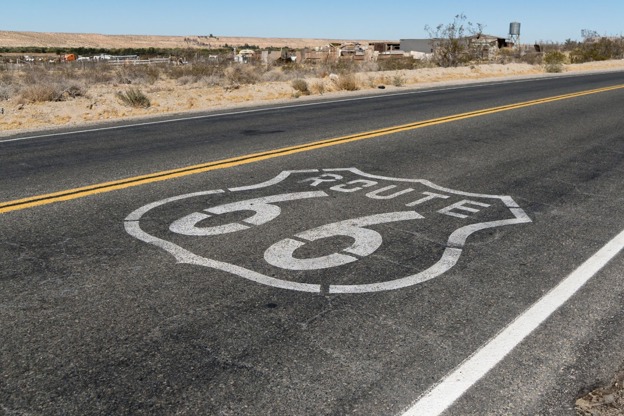
Few highways in the world carry the cultural weight of Route 66. Established in 1926, this legendary corridor connected the American Midwest to the West Coast at a time when long-distance automobile travel was still a novelty. Stretching across eight states and more than two thousand miles, it became one of the first fully paved cross-country roads in the United States—and one of the most important.
As a historic route, Route 66 played a defining role in shaping modern America. During the Dust Bowl and the Great Depression, families used it to migrate west in search of work and opportunity. During World War II, it served as a key transportation artery supporting military movement and manufacturing. Later, as postwar prosperity fueled the rise of car culture, the road became synonymous with freedom, adventure, and the open road.
Although Route 66 was officially decommissioned in 1985 with the expansion of the interstate highway system, its legacy never disappeared. Instead, it evolved. Portions of the original route were preserved by small towns, historical societies, and local businesses determined to keep its spirit alive. Today, travelers can still drive long stretches of the old road, passing vintage motels, neon signs, classic diners, and roadside attractions that feel frozen in time.
What makes Route 66 especially compelling is that it isn’t just one road—it’s a collection of stories. Every town along the way reflects a different chapter of American history, from industrial cities and farming communities to desert outposts and coastal destinations. Unlike modern interstates designed to move travelers as quickly as possible, Route 66 invites you to slow down, take detours, and experience places that might otherwise be overlooked.
For travelers seeking more than just a destination, Route 66 offers something rare: a journey that feels meaningful from start to finish. Whether you explore it through organized Route 66 tours or design your own road trip by RV, driving this historic route isn’t about checking off miles—it’s about connecting with the past while creating new memories along the way.
The Mother Road and the Spirit of American Travel
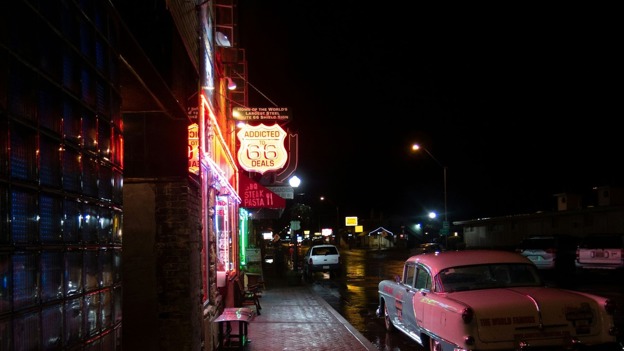
Route 66 earned its most famous nickname—the Mother Road—from writer John Steinbeck, who used the phrase in The Grapes of Wrath to describe the highway that carried thousands of families west during the Dust Bowl. Over time, the name came to represent more than a road. It became a symbol of hope, reinvention, and the belief that a better future could be found just beyond the horizon.
For decades, the Mother Road served as America’s primary east-to-west corridor, linking major cities with countless small towns along the way. Unlike today’s interstate system, Route 66 passed directly through the hearts of communities, turning local main streets into lifelines for travelers. Gas stations, diners, motels, and gift shops sprang up to serve the steady flow of motorists, creating a uniquely American travel culture built around hospitality and curiosity.
That culture is a big reason Route 66 continues to inspire travelers today. Driving the Mother Road isn’t about speed or efficiency—it’s about embracing the journey. The road rewards those willing to slow down, pull over, and explore places that don’t appear on modern highway exits. A handwritten sign advertising homemade pie, a neon motel sign glowing at dusk, or a conversation with a local who has watched travelers pass by for generations—all of these moments define the Route 66 experience.
The spirit of the Mother Road is also deeply tied to the idea of personal freedom. For many, it represented a fresh start. For others, it was a rite of passage—a first long drive, a family vacation, or a chance to see America beyond their hometown. Even now, long after Route 66 was officially decommissioned, that sense of independence and possibility remains one of its strongest draws.
For RV travelers in particular, the Mother Road feels like a natural fit. The pace encourages flexibility, detours are part of the appeal, and overnight stops often come with stories as memorable as the destinations themselves. Whether you’re following a guided tour or planning your own Route 66 road trip, traveling the Mother Road is less about where you’re going and more about how the journey makes you feel.
Planning the Ultimate Road Trip on Route 66
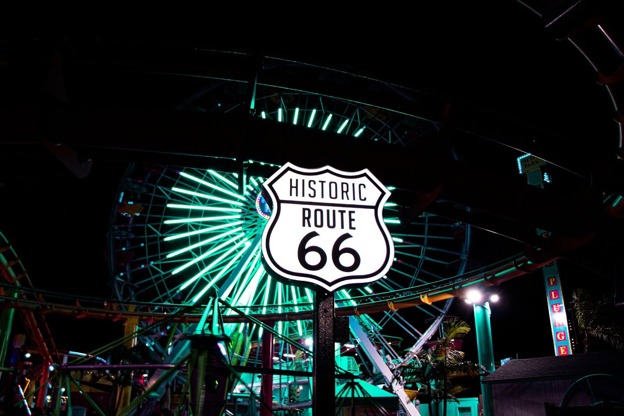
A successful Route 66 adventure starts with thoughtful planning—but part of the magic is leaving room for the unexpected. Because the route spans more than two thousand miles and crosses eight states, how you plan your road trip will shape the entire experience, from daily driving distances to the kinds of stops you’ll enjoy along the way.
One of the first decisions travelers face is how much time to dedicate to the entire trip. Some people tackle the route in sections, while others commit to driving the entire route from Chicago to the Pacific Ocean. A shorter timeline may focus on major cities and headline attractions, while a longer journey allows time to explore small towns, quirky roadside attractions, and preserved stretches of the old route that aren’t visible from modern highways.
Another key factor is how closely you want to follow the original alignment. Route 66 no longer exists as a single continuous road, and much of it was absorbed into the interstate highway system. Today’s travelers often combine preserved sections of the old road with faster highways to move between regions. Using tools like Google Maps can help you navigate this mix, but it’s also worth researching historic alignments so you don’t miss meaningful detours that bring the road’s history to life.
Seasonality plays a major role in planning as well. Spring and fall are often considered the best times to travel Route 66, offering mild temperatures and fewer crowds. Summer brings longer daylight hours and a lively atmosphere in many towns, but desert stretches can be extremely hot. Winter travel is possible, though weather conditions in higher elevations and the Midwest may require flexibility.
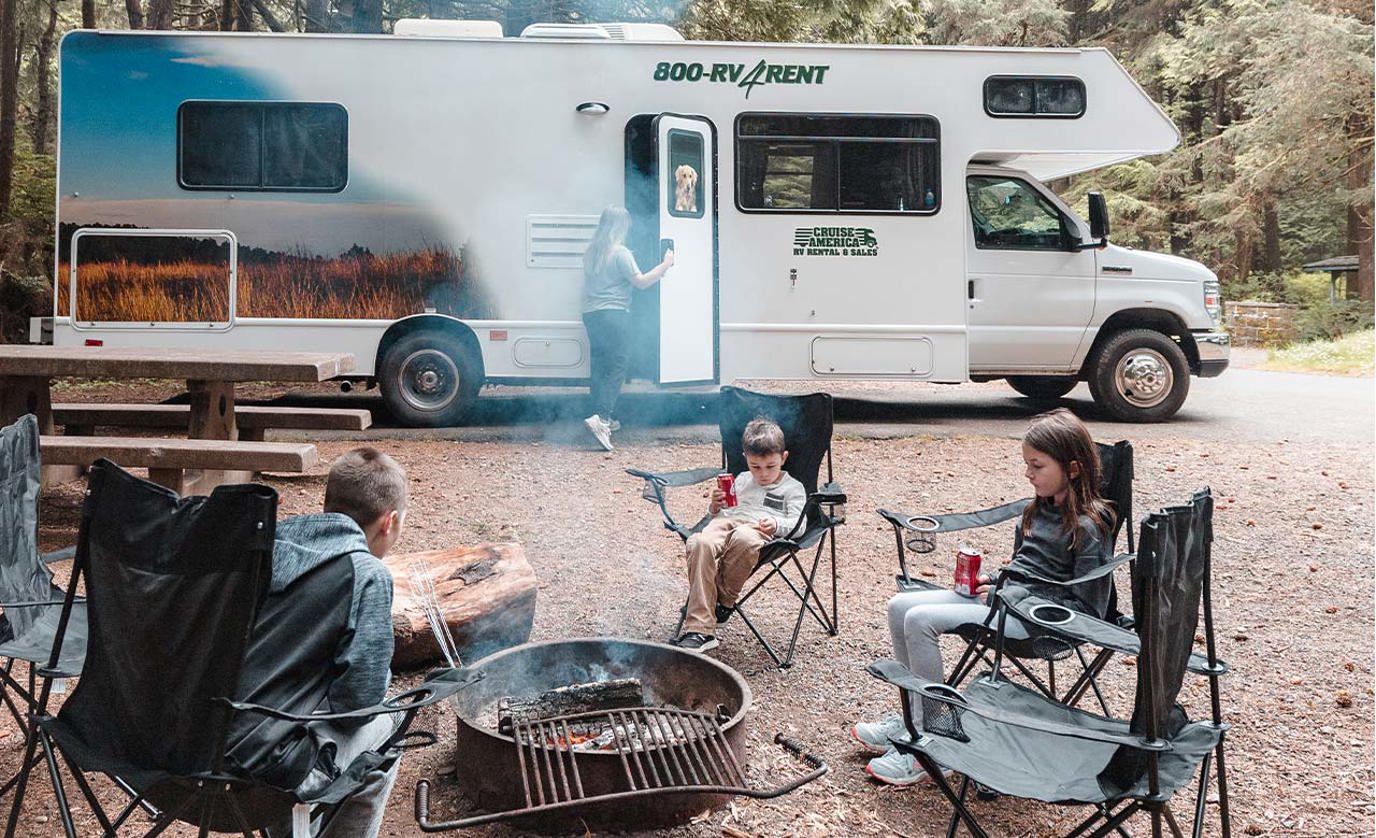
RV travelers have an added advantage when planning a Route 66 road trip. An RV allows you to set your own pace, adjust plans on the fly, and stay close to the places you want to explore. Many classic Route 66 towns are RV-friendly, with campgrounds, state parks, and overnight options that make it easy to turn a long drive into a comfortable and memorable journey.
Ultimately, planning Route 66 isn’t about creating a rigid schedule—it’s about building a framework that lets the trip unfold naturally. With a balance of preparation and spontaneity, the road becomes less about getting from point A to point B and more about embracing the adventure waiting just beyond the next curve.
Self-Guided vs Guided Route 66 Tours
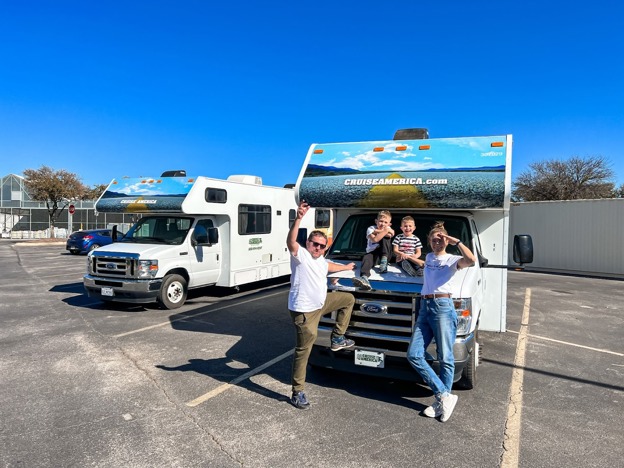
One of the biggest decisions travelers face when planning Route 66 tours is whether to join a guided experience or create a self-guided journey. Both options offer distinct advantages, and the right choice depends largely on how much structure, flexibility, and independence you want from the trip.
Guided Route 66 Tours
A guided tour is ideal for travelers who prefer a structured itinerary with most logistics handled in advance. These tours typically include pre-planned routes, scheduled stops at major landmarks, and accommodations arranged ahead of time. Some guided experiences travel by motorcoach, while others offer car caravans where participants drive their own vehicles but follow a lead guide.
The appeal of a guided tour lies in convenience. Daily driving distances are planned for you, historic sites are preselected, and knowledgeable guides provide context and stories that enrich the experience. For travelers who want to see the highlights without worrying about navigation, timing, or research, guided Route 66 tours can be a stress-free way to experience this legendary highway.
That said, guided tours often move at a set pace. Time at each stop is limited, detours are rare, and spontaneous discoveries—one of Route 66’s greatest pleasures—can be harder to come by.
Self-Guided Route 66 Driving Tours
A self-guided Route 66 driving tour offers the freedom to travel on your own terms. You decide how long to stay in each town, which roadside attractions are worth a stop, and when it’s time to change plans altogether. This approach is especially appealing to RV travelers, who can adjust overnight locations, driving distances, and daily schedules as the journey unfolds.
Self-guided travelers often mix preserved stretches of the old route with modern highways, creating a personalized driving route that balances efficiency with exploration. This flexibility makes it easier to visit small towns, linger at classic diners, or take scenic side trips that guided tours may skip.
The tradeoff is responsibility. Planning a self-guided tour requires more preparation—mapping the route, identifying must-see stops, and choosing RV-friendly campgrounds along the way. However, many travelers find that this extra effort pays off in a deeper, more immersive experience.
Which Option Is Right for You?
If you value simplicity and structure, a guided tour may be the right fit. If you’re drawn to independence, spontaneity, and the freedom of the open road, a self-guided Route 66 tour—especially by RV—offers unmatched flexibility.
No matter which option you choose, Route 66 rewards curiosity and a willingness to explore. Whether guided or self-directed, the journey is less about how you travel and more about embracing the stories, landscapes, and communities that make this road unforgettable.
Choosing the Best Driving Route Across Eight States
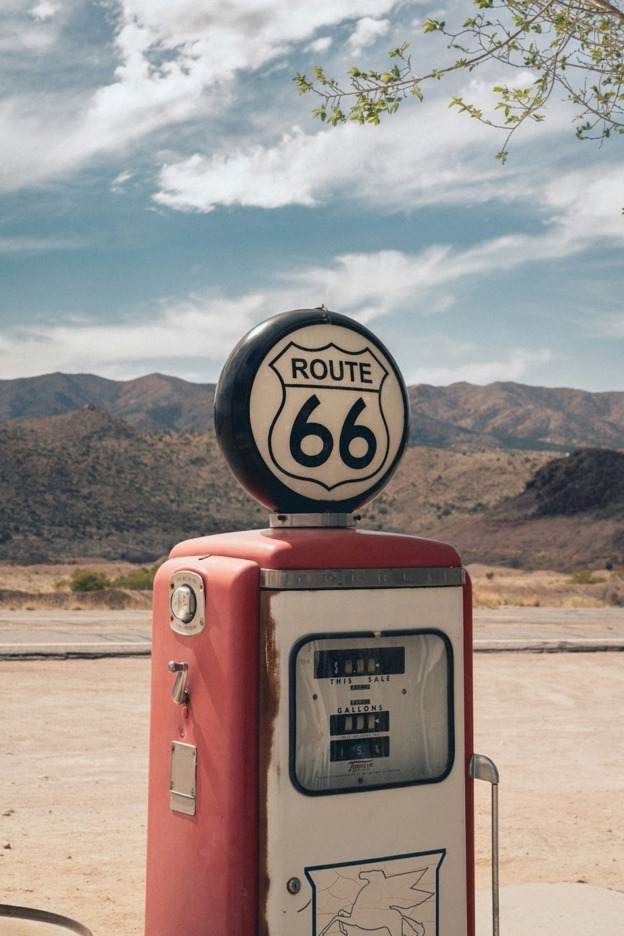
One of the most rewarding—and sometimes confusing—parts of planning Route 66 tours is deciding how to follow the driving route itself. Unlike modern highways, Route 66 is not a single continuous road. Portions of the original route still exist, while others were absorbed into the interstate system or bypassed entirely. Choosing how closely to follow the historic alignment can dramatically shape your experience.
Route 66 spans eight states, beginning in Illinois and ending at the Pacific Ocean in California. Along the way, travelers must balance efficiency with exploration, often combining preserved stretches of the old road with faster highways to cover longer distances between regions.
Understanding the Route Layout
To navigate the route effectively, it helps to understand how it functions today:
-
Some segments of the original route are fully intact and well-marked
-
Other portions run parallel to modern interstates
-
Certain towns require short detours off the main highway to reach historic areas
-
Signage varies widely by state and region
Because of this, many travelers rely on a mix of navigation tools rather than a single map.
Tools for Navigating Route 66
While modern technology makes navigation easier, it’s not foolproof when it comes to Route 66. Using multiple resources helps prevent missed stops or wrong turns.
-
Google Maps is useful for general navigation, but may default to interstates
-
Historic Route 66 guidebooks highlight preserved alignments and landmarks
-
State tourism signs often mark original sections of the old route
-
Local visitor centers can provide updated maps and detour advice
Planning ahead helps ensure you don’t accidentally bypass meaningful stretches of the road in favor of speed alone.
Why Detours Matter
Some of the most memorable Route 66 experiences happen off the main highway. Short detours often lead to:
-
Small towns that once depended on Route 66 traffic
-
Restored gas stations and vintage motels
-
Roadside attractions that don’t appear on major maps
-
Historic bridges and lesser-known landmarks
These stops may add mileage to your day, but they also add character and depth to the journey.
RV Considerations for Route Selection
For RV travelers, route selection plays an even bigger role. While most of Route 66 is RV-accessible, some original sections are narrow, lightly maintained, or better suited for slower speeds. When choosing your driving route, it’s important to:
-
Balance historic roads with RV-friendly highways
-
Plan fuel stops in advance, especially in rural areas
-
Allow extra time for slower driving on older roadways
-
Choose overnight stops that align with your daily mileage goals
By combining planning with flexibility, you can follow the spirit of the original route while still enjoying a smooth and comfortable trip.
Choosing the right driving route isn’t about perfection—it’s about intention. The best Route 66 journeys blend historic stretches, scenic drives, and practical highways into a route that feels both manageable and meaningful.
Chicago to St. Louis: Where the Journey Begins
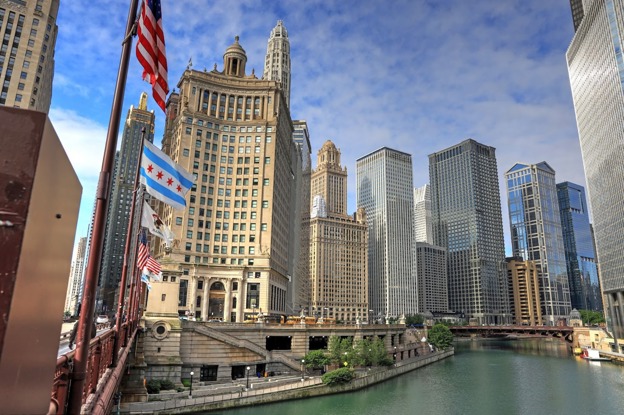
Every Route 66 road trip begins in Chicago (unless you do the trip in reverse order), a city that perfectly captures the contrast between big-city energy and the slower pace that defines the rest of the journey. Standing beneath the towering skyline—often marked by a visit to the Willis Tower—travelers officially set off on what will become one of America’s most iconic drives.
This opening stretch through Illinois is especially meaningful because it contains some of the best-preserved segments of the original route. Unlike later portions that were heavily altered by the interstate system, much of Illinois embraced Route 66’s legacy early on, preserving roadside landmarks, historic towns, and signage that clearly mark the way.
As you leave Chicago, the landscape quickly transitions from urban neighborhoods to classic Midwestern scenery. Small towns line the route, many of them built around Route 66’s golden age. Old gas stations, restored diners, and vintage motels appear frequently, offering early glimpses of the nostalgia that defines the entire trip.
Highlights Along the Illinois Stretch
This part of the drive introduces travelers to the rhythm of Route 66 and rewards those who take their time:
-
Historic Main Streets that once served as lifelines for travelers
-
Roadside attractions and murals celebrating Route 66 heritage
-
Early examples of the diners and drive-ins that became road trip icons
-
Museums and visitor centers dedicated to Route 66 history
One of the most notable landmarks near the end of this stretch is the Chain of Rocks Bridge, a dramatic crossing of the Mississippi River that marks the transition from Illinois into Missouri. Although no longer open to vehicle traffic (open to foot traffic), the bridge remains a powerful symbol of Route 66’s role in connecting regions and communities.
Setting the Tone for the Entire Trip
The Chicago-to–St. Louis segment sets expectations for the entire journey. It teaches travelers early on that Route 66 isn’t about rushing from one major city to the next—it’s about the moments in between. Detours here feel manageable, towns are closely spaced, and the road encourages exploration without overwhelming first-time travelers.
For RV travelers, this section is an ideal introduction. Driving distances are reasonable, services are plentiful, and overnight options are easy to find. It’s the perfect place to ease into the slower pace of Route 66 before the landscapes open up and the distances between towns grow longer.
By the time you reach St. Louis, the journey already feels underway—not because of the miles covered, but because the spirit of Route 66 has fully set in.
Oklahoma’s Main Street and Small-Town America
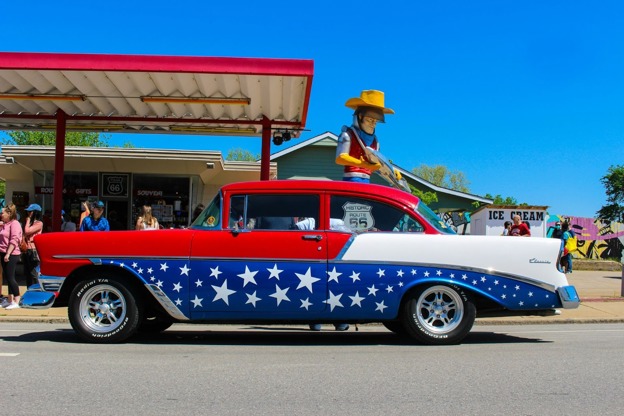
As Route 66 rolls into Oklahoma, the road begins to feel especially personal. More than any other state, Oklahoma embraced Route 66 as part of its identity, preserving long stretches of the old road and celebrating its place in local history. For many travelers, this section represents the heart of Route 66—where the highway truly earns its reputation as America’s Main Street.
The journey through Oklahoma blends urban energy with deeply rooted small-town culture. In Oklahoma City, Route 66 passes through revitalized districts filled with museums, diners, and public art honoring the legendary highway. It’s an easy place to stop, refuel, and reset before continuing west.
Beyond the city, the route unfolds through a series of towns that once depended on steady Route 66 traffic. Places like Elk City preserve that legacy with local museums, restored storefronts, and friendly visitor centers that welcome travelers passing through.
Iconic Stops Along Oklahoma’s Route 66
This stretch is known for its concentration of memorable roadside attractions and historic landmarks, many of which are ideal quick stops during a road trip:
-
Arcadia Round Barn – A beautifully restored architectural landmark that has become one of the most photographed stops on Route 66
-
Blue Whale – One of the route’s most beloved quirky roadside attractions, perfect for photos and a short break
-
Classic gas stations and neon signs that recall the road’s mid-century heyday
-
Local diners and cafés that still serve travelers much as they did decades ago
Food lovers often make a point to stop at historic eateries like the Rock Cafe, a longtime Route 66 institution that survived fires, changing highways, and the rise of the interstate system.
Why This Stretch Matters
Oklahoma’s portion of Route 66 showcases why the highway remains so meaningful. Many towns here avoided being completely bypassed by the interstate highway system, allowing their Main Streets to retain much of their original character. The result is a drive that feels authentic, approachable, and deeply connected to the communities it passes through.
For RV travelers, Oklahoma is especially welcoming. Roads are generally well-maintained, distances between towns are manageable, and there are plenty of places to stop without feeling rushed. It’s a section of the journey where conversations with locals, unexpected discoveries, and unplanned stops often become the highlights of the entire trip.
By the time you leave Oklahoma behind, Route 66 feels less like a road and more like a living timeline—one that continues to unfold mile by mile as you head west.
Cadillac Ranch and Iconic Roadside Art
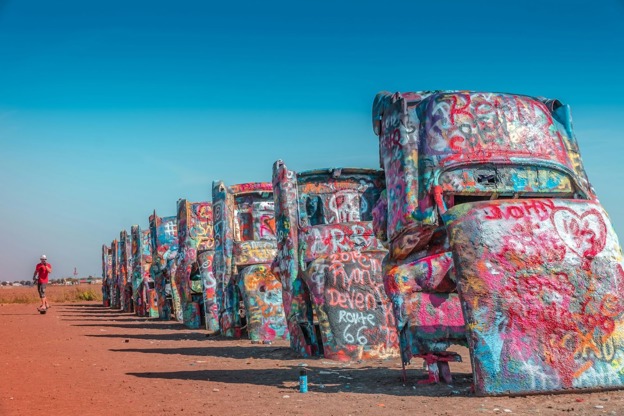
As Route 66 pushes west into the Texas Panhandle, the journey takes a playful turn—one that highlights the road’s long tradition of bold, unexpected roadside attractions. Nowhere is that spirit more visible than at Cadillac Ranch, one of the most photographed and instantly recognizable stops along the entire route.
Installed in 1974, Cadillac Ranch features ten vintage Cadillacs buried nose-first in the ground, aligned at the same angle as the Great Pyramid of Giza. What began as a piece of public art has evolved into a constantly changing canvas. Visitors are encouraged to bring spray paint and leave their mark, transforming the cars into a layered expression of creativity that changes daily.
Why Roadside Art Matters on Route 66
Cadillac Ranch isn’t an isolated oddity—it’s part of a broader tradition that helped Route 66 stand out among America’s famous roads. As competition increased and traffic patterns shifted, towns and businesses along the route leaned into creativity to capture travelers’ attention. The result was a landscape filled with oversized signs, whimsical sculptures, and attractions designed to make drivers pull over.
Along this stretch of Route 66, travelers encounter:
-
Quirky roadside attractions that double as photo ops
-
Public art installations celebrating Route 66 culture
-
Vintage signs and murals honoring the legendary highway
-
Gift shops and small museums built around local stories
These stops may seem lighthearted, but they play an important role in preserving Route 66’s identity. They reflect the ingenuity of communities that adapted to changing travel habits while keeping their connection to the road alive.
A Natural Stop for RV Travelers
Cadillac Ranch is particularly easy to visit for those traveling by RV. Located just outside Amarillo, it offers straightforward access from the main route and plenty of space to pull over nearby. Many travelers spend a short time exploring the site before continuing on, while others use Amarillo as an overnight stop to explore additional attractions in the area.
This section of the journey reinforces an important lesson early Route 66 travelers quickly learn: not every stop needs to be planned. Some of the most memorable moments come from pulling off the road simply because something looks interesting.
By the time you leave Cadillac Ranch behind, Route 66 has revealed another layer of its personality—one that values creativity, humor, and the joy of discovery just as much as history.
New Mexico Detours, Santa Fe, and the Southwest
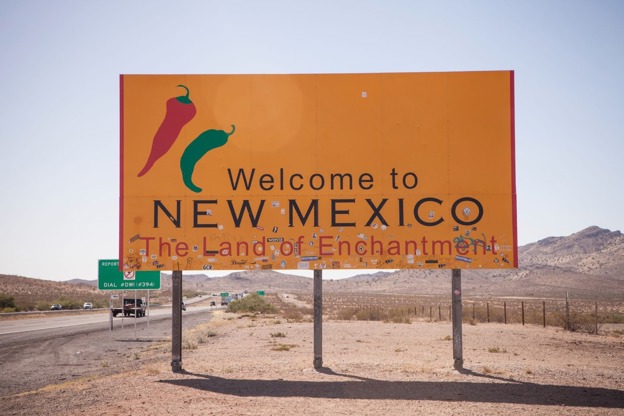
As Route 66 enters New Mexico, the landscape and atmosphere begin to change almost immediately. The flat plains of the Midwest give way to high desert scenery, wide skies, and a blend of Native American, Spanish, and Anglo influences that shape both the towns and the road itself. This portion of the journey feels more spacious, slower, and deeply rooted in regional identity.
One of the defining features of Route 66 in New Mexico is the number of detours that reflect realignments made over time. Unlike earlier sections, travelers often choose between the original route and later alignments, each offering a slightly different experience. These variations make this stretch especially rewarding for those who enjoy exploring historic places and lesser-known towns.
Albuquerque and Route 66 Culture
In Albuquerque, Route 66 runs directly through the city along Central Avenue, where neon signs, restored motels, and vintage storefronts celebrate the highway’s legacy. This is one of the best places along the entire route to see Route 66 history integrated into a modern city.
Travelers will find:
-
Restored neon signs lighting up the street after dark
-
Classic diners and cafés that trace their roots to Route 66’s peak years
-
Easy access to museums, historic districts, and local shops
Albuquerque is also a practical stop for RV travelers, offering plentiful services, campgrounds, and supplies before continuing west.
Santa Fe and Historic Detours
Although Santa Fe is not located directly on the original alignment, many travelers choose to detour north to visit this historic city. Known for its adobe architecture, vibrant arts scene, and deep cultural heritage, Santa Fe offers a striking contrast to roadside towns along the main route.
Highlights of a Santa Fe detour include:
-
The historic Santa Fe Plaza and surrounding museums
-
Art galleries showcasing Southwestern and Native American artists
-
Regional cuisine influenced by centuries of cultural exchange
This detour adds time to the journey but enriches it with a sense of place that feels uniquely Southwestern.
Classic Motels and New Mexico Landmarks
New Mexico is home to some of the most iconic Route 66 lodging, including the legendary Blue Swallow Motel, famous for its glowing neon sign and carefully preserved mid-century charm. Staying—or even stopping for photos—at one of these historic motels feels like stepping back into Route 66’s golden era.
Towns like Santa Rosa also preserve roadside landmarks and offer access to natural attractions, adding variety to this segment of the drive.
By the time Route 66 travelers leave New Mexico behind, the journey feels noticeably different. The road has slowed, the scenery has expanded, and the cultural layers have deepened—setting the stage for some of the most dramatic landscapes still ahead.
Arizona Highlights and the Grand Canyon
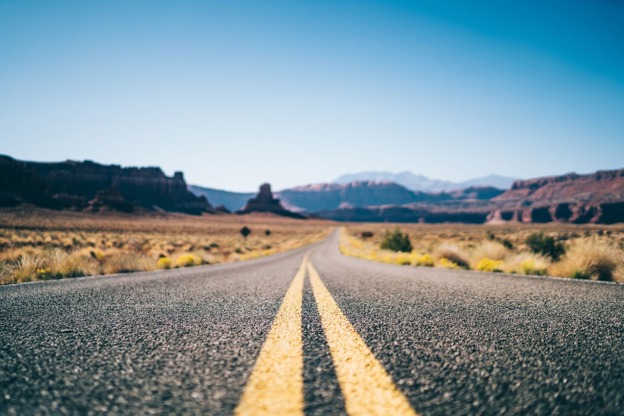
Route 66’s passage through Arizona is where the journey truly opens up. This stretch delivers some of the most striking scenery on the entire drive, blending preserved sections of the old route with easy access to world-famous natural landmarks. For many travelers, Arizona becomes the emotional high point of the entire trip.
Preserved Route 66 Towns and Landscapes
Arizona is home to some of the best-preserved segments of the original route, especially in small towns that avoided being completely bypassed by the interstate system. Places like Peach Springs offer a glimpse into what Route 66 travel looked like decades ago, with long, quiet stretches of road framed by desert landscapes and distant mesas.
Driving here feels slower and more reflective. The towns are spaced farther apart, the skies feel bigger, and the road encourages travelers to take their time. Many visitors describe this portion as the point where the road trip becomes a journey.
Petrified Forest National Park
One of the most unique stops along Route 66 in Arizona is Petrified Forest National Park, which includes a preserved segment of historic Route 66 within its boundaries. Travelers can pull off to see remnants of the old road alongside landscapes filled with ancient petrified wood, colorful badlands, and expansive views across the Colorado Plateau.
This stop combines natural history with Route 66 heritage and makes for a rewarding break from driving—especially for RV travelers looking to stretch their legs and experience something distinctly different from roadside attractions.
The Grand Canyon Side Trip
No Arizona Route 66 journey feels complete without a side trip to Grand Canyon National Park. Although not located directly on Route 66, the detour is well worth the time. Standing at the rim of the canyon offers a powerful reminder of the scale and diversity of landscapes encountered on this legendary highway.
Many travelers choose to plan an overnight stay nearby to fully appreciate the canyon at sunrise or sunset. For RV travelers, the area offers multiple campground options and scenic drives that pair naturally with a Route 66 itinerary.
Why Arizona Leaves a Lasting Impression
Arizona’s portion of Route 66 blends historic places, scenic drives, and natural wonders in a way few other states can match. The combination of preserved road segments, iconic landmarks, and quiet desert towns creates a sense of timelessness that lingers long after you’ve moved on.
By the time you head west out of Arizona, Route 66 feels less like a series of destinations and more like a continuous story—one that’s about to reach its final chapters as the road turns toward California and the Pacific Ocean.
California’s Open Road to the Pacific
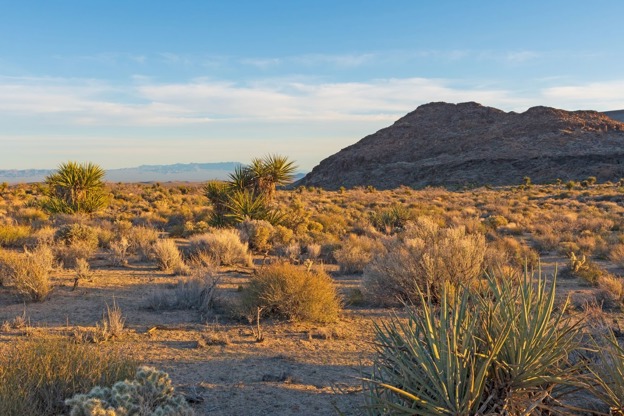
As Route 66 crosses into California, the journey enters its final—and most transformative—phase. The wide-open deserts of the Southwest slowly give way to mountain passes, growing cities, and the unmistakable pull of the Pacific Ocean. This stretch captures the feeling of momentum that defined Route 66 during its peak years, when travelers pressed west with the promise of opportunity just ahead.
Through the Mojave Desert
The first miles of Route 66 in California cut through the Mojave Desert, where long, uninterrupted stretches of road reinforce the sense of the open road. Towns are sparse, distances feel longer, and the landscape becomes part of the experience itself. Driving here emphasizes just how far travelers have come—and how close they are to the end of the entire trip.
Historic alignments of the old road still appear throughout the desert, often running parallel to modern highways. These quieter segments allow travelers to experience Route 66 much as it once was, with little traffic and expansive desert views stretching in every direction.
San Bernardino and Inland California
As the route approaches San Bernardino, the environment begins to shift. Desert landscapes fade into suburban development, and Route 66 reenters areas shaped by population growth and modernization. This transition mirrors Route 66’s own history, as many communities along the road expanded rapidly during the postwar years.
San Bernardino and nearby towns played a key role in Route 66’s later decades, serving as gateways between the desert and Southern California’s coastal cities. For travelers, this area offers practical amenities, overnight stops, and a chance to regroup before the final push toward the coast.
The Changing Pace of the Journey
California’s section of Route 66 feels different from earlier stretches—and that’s part of its appeal. Traffic increases, landscapes change more quickly, and the road becomes more integrated with modern infrastructure. Yet even here, traces of Route 66 culture remain visible in vintage signage, preserved landmarks, and side streets that once carried travelers west.
For RV travelers, this portion of the route encourages flexibility. Some choose to follow preserved alignments where possible, while others rely more heavily on modern roads to navigate through busy regions. Either way, the anticipation builds as the journey shifts from rural highways to urban corridors.
By the time the road turns toward the coast, Route 66 has come full circle—from a rural connector to a path that leads directly into one of the most iconic destinations in America. The end of the road is near, and the Pacific Ocean awaits.
Main Street of America: Reaching Santa Monica
Route 66 has long been known as the Main Street of America, a nickname that reflects its role in connecting communities across the country. That idea comes full circle in Santa Monica, where the road reaches its official western endpoint at the edge of the Pacific Ocean.
After traveling thousands of miles through small towns, deserts, plains, and cities, arriving in Santa Monica feels both triumphant and reflective. The pace of Southern California, the sound of the ocean, and the sight of palm-lined streets signal that the journey has truly reached its end.
The Santa Monica Pier: Route 66’s Finish Line
The most iconic symbol of Route 66’s conclusion is the Santa Monica Pier, home to the famous “End of the Trail” sign. For many travelers, standing here marks the completion of a bucket list road trip—a moment that represents far more than miles driven.
The pier itself offers:
-
Sweeping views of the Pacific Ocean
-
Restaurants, shops, and classic boardwalk attractions
-
Easy access to Santa Monica’s beach and waterfront paths
It’s a fitting finale to a journey defined by variety, culture, and discovery.
From Small Towns to the Pacific Coast
Reaching Santa Monica highlights the full contrast of Route 66. The road that once passed through quiet farming towns and desert outposts now ends in a vibrant coastal city. That contrast is part of what makes the journey so memorable. Few famous roads showcase such a dramatic shift in landscape, pace, and atmosphere.
For many travelers, this final stop is a time to reflect on the entire trip—from the first sign in Chicago to the last photo at the pier. It’s also a reminder that Route 66 was never just about getting west. It was about connecting people, places, and stories across America.
A Moment Worth Savoring
Whether you’ve followed the entire route or joined it for just a portion of the journey, reaching Santa Monica feels significant. It’s a chance to slow down, celebrate the experience, and appreciate how a single road could shape so much of American travel culture.
From here, the road may end—but the memories of the Main Street of America tend to linger long after the journey is complete.
Creating Your Own Route 66 Driving Tour by RV
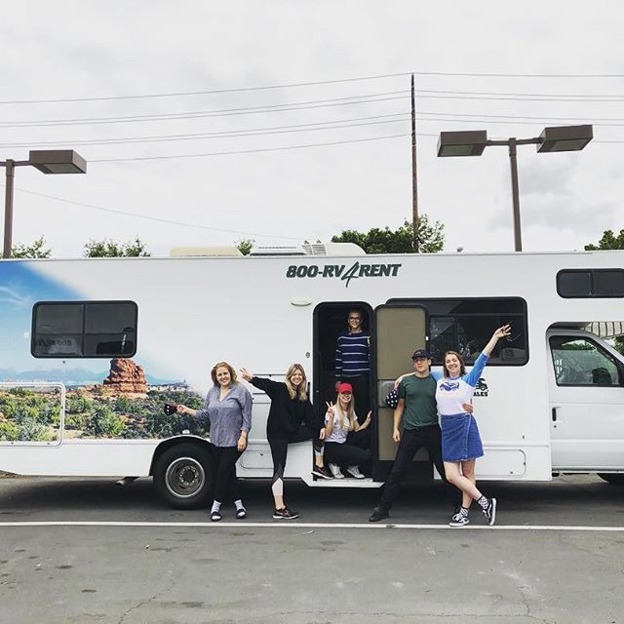
One of the best ways to experience Route 66 is by creating your own driving tour—especially in an RV. While organized tours offer structure and convenience, an RV-based route 66 driving tour allows you to travel at your own pace, linger in places that capture your interest, and adjust your plans as the journey unfolds.
Why an RV Is Ideal for Route 66
Route 66 was built for travelers who valued freedom, and RV travel fits that spirit perfectly. With an RV, your transportation and accommodations move with you, making it easier to explore both major stops and lesser-known towns without being tied to a rigid schedule.
RV travelers benefit from:
-
Flexibility to stop at roadside attractions on a whim
-
Easy access to campgrounds near historic towns and scenic areas
-
The ability to slow down and explore preserved sections of the old route
-
Comfortable overnight stays without rushing to the next city
Because the route passes through both urban areas and remote landscapes, having a self-contained travel setup helps balance convenience and adventure.
Planning Your Route and Daily Pace
A successful RV tour starts with a general plan—but not a strict itinerary. Many travelers choose to map out major regions and must-see landmarks while leaving room for detours and spontaneous stops.
Helpful planning tips include:
-
Break the trip into manageable driving days rather than long-distance pushes
-
Mix historic Route 66 alignments with modern highways when needed
-
Identify RV-friendly campgrounds in advance, especially during peak seasons
-
Allow extra time for small towns, gift shops, and photo-worthy stops
While navigation apps are useful, pairing them with Route 66–specific guides helps ensure you don’t miss historic places hidden just off the main route.
Making the Journey With Cruise America
What makes a Route 66 driving tour so memorable is that no two trips look exactly the same. Some travelers focus on roadside attractions and neon signs, others prioritize natural landmarks, and many build their trip around classic diners and historic motels.
An RV gives you the freedom to:
-
Stay longer in places that surprise you
-
Skip stops that don’t match your travel style
-
Adjust for weather, crowds, or energy levels
-
Turn the entire trip into a relaxed, immersive journey
Whether you drive the entire route or explore it in segments, traveling Route 66 by RV transforms the trip from a checklist into a personal experience—one shaped by curiosity, flexibility, and the joy of the open road. Book your RV today!