The Ultimate Route 66 2-Week Itinerary
- Family Friendly
- Road Trip
- get inspired
Get ready for the ultimate Route 66 adventure — a classic American road trip that follows the entire route of the legendary highway from the shores of Lake Michigan to the Pacific Ocean. This carefully paced two-week itinerary (16 days to be exact) gives you the time and freedom to truly experience America’s Main Street, rather than trying to race through it.
Spanning major regions, climates, and cultures, this Route 66 road trip takes you through major cities, quaint small towns, and unforgettable historic sites that define the Mother Road. You’ll head west from the Windy City, pass through the heartland, cross the Mississippi River, explore the Southwest, and finish your journey on the Santa Monica Pier.
Unlike shorter road trip itineraries, this cross-country adventure is designed to balance driving with discovery. You’ll experience:
-
Neon-lit motels and historic hotels
-
Quirky roadside attractions and classic roadside diners
-
Natural wonders like desert landscapes, painted badlands, and scenic river crossings
-
The nostalgic charm of the original route, where Route 66 still feels alive
Whether you’re drawn to the romance of the classic route, the freedom of the open road, or the story of a historic route that shaped modern America, this Route 66 itinerary offers a meaningful way to experience the entire trip — not just the highlights.
Day 1: Chicago, IL to Joliet, IL — 45 Miles
Starting at the Birthplace of Route 66
There’s no better way to begin a Route 66 road trip than in Chicago — a city whose role as the eastern anchor of Route 66 helped define its legacy. Before you head west, take time to soak in the energy of the bustling city, where towering architecture and lakefront views meet deep-rooted American history.
Many travelers start their morning near Millennium Park, home to the iconic Cloud Gate and Bean, before strolling along Michigan Avenue or visiting the Art Institute. With Lake Michigan glistening nearby and the city’s energy buzzing — especially during rush hour — this first morning sets a powerful contrast to the open road ahead.
Kick off your Route 66 journey in style!
Start at the famous "Route 66 Begin Sign," then cruise to Joliet for a classic diner breakfast. Explore the Route 66 Museum and soak in the nostalgia before settling in at a cozy RV park.
Accommodation: Joliet KOA Holiday
A friendly, tree-lined RV park with all the amenities you need to start your Route 66 adventure!
Breakfast: Mitchell’s Diner
Classic Route 66 diner serving hearty American breakfasts.
Stopping at a classic diner on your first morning reinforces the spirit of the Mother Road — where meals are unpretentious, welcoming, and rooted in tradition.
Activity: Route 66 Begin Sign
Snap a photo at the legendary start of Route 66!
Standing at the Begin Sign is a symbolic moment. It’s where the entire route unfolds, and where anticipation truly sets in. From here, you’re officially traveling the historic route that carried generations westward.
Dinner: The Reserve Steakhouse
Upscale steakhouse with a cozy atmosphere — perfect for your first night!
Activity: Route 66 Welcome Center & Museum
Dive into Route 66 history with fun exhibits and memorabilia.
Ending Day 1 in Joliet keeps things relaxed and intentional. Rather than rushing forward, you get a chance to connect with the history of Route 66 right away — a theme that will continue as the entire trip unfolds across the country.
Day 2: Joliet, IL to Springfield, IL — 170 Miles
Murals, Museums, and Early Route 66 Americana
Day 2 is where your Route 66 road trip truly begins to feel like the classic route travelers imagine. Leaving Joliet behind, the scenery shifts quickly from suburban edges into farmland, a quiet highway, and the small towns that once thrived along America’s Main Street. This stretch of Illinois is rich in early Route 66 culture and is packed with stops that celebrate the nostalgic charm of the historic route.
After a relaxed morning start, you’ll drive through communities that embraced Route 66 not just as a road, but as an economic lifeline. Many of these towns leaned into art, storytelling, and preservation to keep Route 66 alive long after interstates took over.
Accommodation: Springfield KOA Journey
A peaceful RV park surrounded by nature, perfect for recharging after a day of exploring.
Breakfast: Old Route 66 Family Restaurant
A retro breakfast spot with Route 66 vibes and delicious pancakes.
This is the kind of place that feels unchanged by time — proof that roadside diners still play a central role in Route 66 culture. Meals here are hearty, familiar, and exactly what you want before a longer driving day.
Activity: Pontiac Murals
Stroll through town and admire colorful murals celebrating Route 66 history.
Pontiac has become a standout example of how small towns preserve their city’s role in Route 66 history. The murals turn the town itself into an outdoor gallery, highlighting everything from classic cars to vintage signage. It’s one of those hidden gems that rewards travelers who take the time to look around.
By the time you reach Pontiac, many travelers begin to appreciate how this Route 66 itinerary balances driving with meaningful stops — making the entire trip feel immersive out of the gate.
Dinner: Ariston Café
One of the oldest Route 66 restaurants, serving classic American fare.
Dining at Ariston Café is like living Route 66 history. This long-standing restaurant has served generations of travelers, and it remains a reminder of how family-run establishments helped define the decades of traveling America.
Activity: Route 66 Hall of Fame & Museum
Explore Route 66 memorabilia and vintage cars in this fun museum.
The museum ties the day together by placing everything you’ve seen into context — from early road travel to the boom years of the original route. It’s a meaningful way to understand how Route 66 connected major cities and rural communities alike.
Rolling into Springfield in the evening, you’ll feel comfortably settled into the rhythm of the road trip. The miles are adding up, but so are the stories — and the journey west is only just beginning.
Day 3: Springfield, IL to St. Louis, MO — 100 Miles
Crossing the Mississippi River and Entering Missouri
Day 3 may cover fewer miles, but it carries outsized significance along the historic route. Today, your Route 66 road trip leaves Illinois and crosses into Missouri, marking a symbolic transition along the Mother Road. The landscape begins to change, the towns grow more spaced out, and the road itself feels more storied as you approach one of Route 66’s most important geographic crossings.
Accommodation: St. Louis RV Park
Urban RV park with easy access to downtown St. Louis and Route 66 attractions.
St. Louis stands out as one of the major cities along the entire route, and its location on the Mississippi River made it a crucial gateway for westward travel. Long before interstates, this crossing represented opportunity, movement, and change for countless individuals and families.
Breakfast: Charlie Parker’s Diner
Retro diner famous for its giant pancakes and Route 66 charm.
Starting the morning at a classic diner reinforces the timeless rhythm of Route 66 — good food, familiar vibes, and the comfort of knowing the Gateway to the West is just around the corner.
Activity: Chain of Rocks Bridge
Walk or bike across this historic Route 66 bridge over the Mississippi River.
The Chain of Rocks Bridge (often referred to simply as the Rocks Bridge) is one of the most iconic sites of the historic route. As you cross the river, you’re following the same path used by generations of travelers heading west in search of new beginnings. The sweeping river views offer a moment to pause and reflect — a natural halfway point in the early portion of the journey.
Dinner: Ted Drewes Frozen Custard
Legendary frozen custard stand — don’t miss the concrete!
A stop at Ted Drewes is practically a rite of passage. It’s a reminder that Route 66 isn’t only about destinations — it’s about traditions that have endured a changing world.
Activity: Route 66 State Park
Explore trails and Route 66 history in this scenic state park.
Route 66 State Park blends natural wonders with history, offering river views, forested trails, and preserved roadside remnants. It’s an ideal place to stretch your legs after driving and appreciate how Route 66 weaves together nature and human history.
As the day winds down, St. Louis offers a blend of urban energy and historic significance. While the Gateway Arch towers nearby — symbolizing westward expansion — the road ahead continues to pull you forward, deeper into the heart of the legendary highway.
Day 4: St. Louis, MO to Rolla, MO — 110 Miles
Ozark Landscapes, Cave Country, and Small-Town Route 66
Day 4 marks a noticeable shift in scenery as your Route 66 road trip leaves the bustle of St. Louis behind and heads deeper into Missouri’s Ozark region. Traffic thins, the terrain becomes more rolling, and the route begins to feel quieter and more personal. This stretch of highway is defined by forested hills, limestone formations, and small towns that still wear their Route 66 identity proudly.
The drive itself is part of the experience. As you follow sections of the original route, you’ll notice how the road bends with the land — a reminder that Route 66 was built long before efficiency replaced character. In autumn, this portion of the drive can be especially beautiful, with hints of fall foliage adding warm color to the Ozark hills.
Accommodation: Rolla RV Park
A peaceful park with easy access to the best of the Ozarks and Route 66.
Staying in Rolla places you right in the heart of this scenic corridor, giving you time to slow down and appreciate the natural beauty in this part of the Midwest. It’s a welcome contrast to the major cities earlier in the trip and a chance to experience the quieter side of Route 66.
Breakfast: Ferguson’s Country Store & Restaurant
Charming country breakfast spot with homemade biscuits.
This kind of stop embodies the nostalgic charm Route 66 is known for — simple food, friendly conversation, and a pace that encourages you to linger just a little longer.
Activity: Meramec Caverns
Tour the spectacular caves that have wowed Route 66 travelers for decades.
Meramec Caverns has long been one of Missouri’s most famous Route 66 attractions. Advertised heavily to early motorists, the caverns became a must-stop natural wonder along the classic route. Walking through the vast chambers, it’s easy to imagine generations of families pausing their road trip here to escape the summer heat and explore underground formations.
Dinner: Missouri Hick Bar-B-Q
Rustic BBQ joint with Route 66 flair and mouthwatering smoked meats.
After a day of exploring, a hearty barbecue dinner feels especially satisfying. Missouri’s barbecue traditions add another layer of regional flavor to the entire trip, reminding travelers that food is as much a part of Route 66 history as the pavement itself.
Activity: Cuba Murals
Walk the ‘Route 66 Mural City’ and discover vibrant public art.
Before settling in for the night, a visit to Cuba’s murals offers a final highlight. These large-scale works tell stories of local history, Route 66 travelers, and community pride. Like Pontiac earlier in the journey, Cuba shows how towns have embraced art to preserve their place along the legendary highway.
By the end of Day 4, you're feeling the rhythm of the road trip. You’re no longer just traveling between points — you’re moving through regions, cultures, and landscapes that give Route 66 its enduring appeal 100 years later.
Day 5: Rolla, MO to Galena, KS (via Joplin, MO) — 170 Miles
Drive-Ins, Movie History, and a Tiny Slice of Kansas
Day 5 is a perfect example of why this Route 66 road trip isn’t just about mileage — it’s about moments. Today’s drive takes you through southwest Missouri and briefly into Kansas, offering a mix of cinematic nostalgia, roadside surprises, and the kind of stops that define the quirky roadside attractions Route 66 is famous for.
As you leave Rolla behind, the road passes through a string of small towns that once depended heavily on Route 66 traffic. While interstates now bypass many of them, traces of the historic route remain in restored signs, classic storefronts, and locally loved eateries. This stretch feels especially rooted in the everyday life of past travelers, where driving slower and extended stops were part of the fun.
Accommodation: Joplin KOA Journey
A welcoming RV park with shady sites and a pool — perfect for unwinding after a day on the road.
Joplin serves as a comfortable base for exploring this region, blending modern conveniences with easy access to Route 66 landmarks. It’s also a reminder that even though Route 66 is known for its past, it still thrives in active communities along the entire route.
Breakfast: Alex’s Pizza Palace
Local favorite for a hearty breakfast before hitting the road.
Fueling up here sets the tone for a full day of discovery. Route 66 breakfasts tend to be filling and comforting — exactly what you want before a longer drive.
Activity: Route 66 Drive-In Theatre
Catch a movie under the stars at this classic drive-in theater.
Few experiences capture Route 66 nostalgia quite like a drive-in movie. This stop feels like a step back to the heyday of simple life, when family road trips revolved around modest pleasures and evenings ended under open skies. It’s one of those stops that turns a Route 66 road trip into a core memory rather than just a journey.
Dinner: Red Onion Café
Chic downtown eatery with creative American cuisine.
Dinner in Joplin offers a chance to enjoy a more contemporary meal while still staying rooted in regional flavor — a nice contrast to the diners and drive-ins earlier in the day.
Activity: Cars on the Route
See the inspiration for Tow Mater from Pixar’s Cars and quirky Route 66 memorabilia.
Crossing briefly into Kansas may only add a few miles to the entire trip, but Galena delivers one of the most memorable stops along the classic route. The rusted tow truck and eclectic displays celebrate Route 66’s pop-culture influence and storytelling power. It’s a fun reminder of how the legendary highway continues to inspire new generations.
As the day wraps up, this stretch of the journey reinforces one of Route 66’s greatest strengths: even its shortest segments are packed with personality. Kansas may only claim a small portion of Route 66, but it leaves a lasting impression before the road pulls you onward toward Oklahoma.
Day 6: Galena, KS to Tulsa, OK — 120 Miles
Roadside Icons and Oklahoma’s Route 66 Heart
Day 6 may not be the longest driving day, but it’s one of the most playful and memorable stretches of the entire road trip. This portion of the historic route is packed with larger-than-life landmarks and roadside stops that remind travelers why Route 66 earned its reputation as America’s Main Street. The road begins to feel more whimsical here, with surprises waiting just off the pavement.
As you cross fully into Oklahoma, Route 66 takes on a distinct personality. The state embraced the Mother Road early and has worked hard to preserve its legacy, making this section of the entire route especially rich in well-maintained attractions and museums.
Accommodation: Tulsa RV Ranch
Spacious RV park with a western theme and plenty of amenities.
Tulsa is one of the most important Route 66 cities in Oklahoma, blending modern culture with deep ties to the legendary highway. Staying here gives you easy access to historic sites while enjoying the comforts needed on a multi-day road trip.
Breakfast: Waylan’s Ku-Ku Burger
Retro burger joint with a fun, quirky vibe and tasty breakfast sandwiches.
This stop sets the tone for the day — colorful, nostalgic, and unapologetically Route 66. Places like this are reminders that roadside diners and playful architecture once competed for travelers’ attention along the classic route.
Activity: Blue Whale of Catoosa
Snap a selfie with this giant, smiling whale, an iconic Route 66 stop.
The Blue Whale is one of the most photographed stops on Route 66 and a perfect example of the quirky roadside attractions that define the journey. Originally built as a swimming hole, it has become a beloved symbol of Oklahoma’s creativity and hospitality.
Dinner: Pops 66 Soda Ranch
Choose from hundreds of sodas and enjoy classic diner fare.
Pops is a modern Route 66 icon — a glowing landmark along the highway and a celebration of soda-shop culture. Walking through the towering shelves of bottles feels both like a blast from the past and surprisingly contemporary, bridging Route 66’s past and present.
Activity: Route 66 Historical Village
Outdoor museum with vintage trains and Route 66 artifacts.
This open-air museum provides valuable context for the day’s fun stops, tying together transportation history and Route 66’s role in connecting communities across the country.
By the end of Day 6, the journey feels fully immersed in Route 66 culture. The playful roadside stops, well-preserved landmarks, and welcoming cities reinforce why Oklahoma is often considered one of the strongest sections of the historic route — and why the adventure continues to feel fresh with each mile.
Day 7: Tulsa, OK to Elk City, OK — 180 Miles
Museums, Vintage Signs, and the Open Oklahoma Road
Day 7 carries you deep into the heart of Oklahoma, a state that arguably preserves the route better than any other. With long stretches of highway, wide skies, and carefully maintained landmarks, this portion of your Route 66 road trip feels both expansive and reflective. The road opens up here, inviting you to settle into a steady stride of the historic route.
Driving west from Tulsa, the scenery becomes more rural and uninterrupted. This is where the entire trip begins to feel like a true cross-country road trip, with time to think, observe, and appreciate the small details that make Route 66 special — hand-painted signs, old gas stations, and the occasional ghost town just off the road.
Accommodation: Elk City / Clinton KOA Journey
A restful RV stop with a pool and playground, perfect for a night under the stars.
Elk City sits near what many travelers consider the halfway point of Route 66. Reaching this area often feels like a milestone — you’re no longer easing into the journey, and the road behind you is now as meaningful as the miles ahead.
Breakfast: Tally’s Good Food Café
Famous for cinnamon rolls and classic Route 66 breakfasts.
This long-standing café is a favorite among travelers for good reason. It reflects the enduring role of roadside diners in keeping the Route 66 experience warm, welcoming, and deeply personal.
Activity: National Route 66 Museum
Explore the history of America’s Mother Road through interactive exhibits.
Located in nearby Elk City, this museum offers one of the most comprehensive overviews of Route 66’s history. Exhibits cover everything from early road construction to the cultural impact of the legendary highway, making it a non-negotiable stop.
Nearby, travelers can also explore lesser-known attractions like the Devil’s Rope Museum, which tells the story of barbed wire and westward expansion — an unexpected but fascinating layer of regional history that helps explain how the road connected farming communities and small towns.
Dinner: Prairie Fire
Modern American cuisine with a southwestern twist.
Dinner here provides a nice contrast to earlier diner stops, offering fresh flavors while still keeping the relaxed tone of the road trip intact.
Activity: Route 66 Vintage Roadside Signs
Spot and photograph classic neon and vintage signs along the route.
This stretch of Oklahoma is known for its preserved signage — glowing reminders of a time when gas stations, motels, and cafés competed visually for attention. These signs are among Route 66’s most photogenic historic sites, and they capture the enduring spirit of the classic route.
By the time you stop in for the night, the sense of progress is unmistakable. You’ve crossed into the true middle of the journey, and the road ahead begins to hint at bigger skies, bigger attractions, and the Southwest landscapes waiting just beyond the horizon.
Day 8: Elk City, OK to Amarillo, TX — 150 Miles
Big Skies, Texas Legends, and Iconic Route 66 Art
Day 8 brings a noticeable shift in scale as your Route 66 road trip crosses from Oklahoma into Texas. The land flattens, the sky feels bigger, and the drive takes on a sense of openness that defines this portion of the historic route. This is where the Mother Road starts to feel expansive — long, straight stretches of pavement framed by ranchland and wide horizons.
As you travel west, roadside stops become landmarks in their own right. This is classic Route 66 territory, where creativity and boldness were used to grab the attention of travelers moving quickly through open country.
Accommodation: Amarillo KOA Journey
A friendly RV park with a pool and dog park, just off Route 66.
Amarillo is one of the most recognizable cities along the entire route, and its Route 66 identity is inseparable from oversized attractions and legendary eateries. It’s a place where Route 66’s sense of fun is on full display.
Breakfast: The Donut Stop
Grab a quick, sweet breakfast before hitting the Texas border.
This easy stop reflects the practical needs of a long road trip — sometimes breakfast is about efficiency, not ceremony, especially when there are miles to cover and highlights ahead.
Activity: Cadillac Ranch
Spray paint your name on these iconic, half-buried Cadillacs.
Few attractions symbolize Route 66 creativity quite like Cadillac Ranch. The row of cars jutting out of the Texas soil invites travelers to grab a can of spray paint and leave their mark. It’s interactive, ever-changing, and uniquely Route 66 — a modern expression of the road’s enduring spirit.
Dinner: The Big Texan Steak Ranch
Home of the 72oz steak challenge and a Route 66 legend.
Dining at the Big Texan is less about subtlety and more about spectacle. From oversized portions to Western-themed décor, it perfectly captures Texas’s bold personality along the legendary highway.
Activity: Amarillo Botanical Gardens
Stroll through beautiful gardens and enjoy a peaceful break from the road.
After the energy of the day’s attractions, the gardens offer a quieter contrast — a reminder that even along the classic route, moments of calm are just as important as iconic stops.
By the end of Day 8, the journey feels firmly rooted in the Southwest. The open roads, big skies, and unmistakable landmarks reinforce why this stretch of Route 66 is such a highlight of the entire trip — and why the road ahead promises even more dramatic transitions.
Day 9: Amarillo, TX to Tucumcari, NM — 115 Miles
Neon Nights and the Gateway to the Southwest
Day 9 marks a subtle but meaningful transition on your Route 66 road trip. As you leave Texas behind and cross into New Mexico, the landscape begins to change — flatter plains give way to wider horizons, warmer tones, and the first hints of the desert scenery that will define much of the journey ahead. This stretch of the historic route feels like a gateway, ushering travelers into the Southwest both visually and culturally.
The drive itself is relaxed and approachable, making it a welcome change of pace after longer days on the road. It’s a chance to enjoy the simple pleasure of cruising along the original route, watching the scenery slowly evolve.
Accommodation: Blaze-in-Saddle RV Park
A family-owned RV park on Historic Route 66.
Staying here places you right along the classic route, where Route 66 nostalgia comes alive after sunset. Tucumcari is especially known for its glowing neon, and the town embraces its identity as one of the most photogenic stops along the entire route.
Breakfast: Ye Olde Pancake Station
Classic breakfast spot with fluffy pancakes and Route 66 charm.
This cozy diner is the kind of place that makes mornings on the Mother Road feel unhurried. It’s a reminder that Route 66 travel is as much about slowing down as it is about moving forward.
Activity: Tucumcari Route 66 Murals
Wander the streets and discover vibrant murals celebrating Route 66.
Tucumcari’s murals reflect the town’s pride in its place along the legendary highway. Walking between them feels like stepping into an outdoor gallery, where stories of travelers, cars, and roadside culture are painted directly onto the walls. These works add to the town’s charm and reinforce its role as a must-stop Route 66 community.
Dinner: Del’s Restaurant
Family-run Route 66 classic serving steaks and New Mexican fare.
Dinner here introduces flavors that signal your deeper entry into the Southwest. New Mexican influences begin to appear more frequently on menus, offering a regional twist that enriches the entire trip.
Activity: Mesalands Dinosaur Museum
Explore fossils and life-size dinosaur sculptures in this fun museum.
This unexpected attraction adds a layer of discovery to the day. Like many stops along Route 66, it blends education with entertainment — a reminder that the road trip is filled with surprises that go beyond what you might expect.
As night hits, Tucumcari’s neon signs flicker to life, casting colorful reflections along the street. It’s one of those moments when Route 66 feels timeless — a living reminder of why this historic route continues to capture the imagination of travelers from around the world.
Day 10: Tucumcari, NM to Albuquerque, NM — 185 Miles
Neon-Lit Streets, Desert Driving, and a Route 66 Hub
Day 10 carries your Route 66 road trip deeper into New Mexico, where the historic route threads through high desert landscapes and culturally rich cities. The drive west from Tucumcari reveals long stretches of open road, distant mesas, and wide skies — a preview of the dramatic desert landscapes that will define the Southwest portion of the entire trip.
As the miles pass, the pace of the Mother Road becomes second nature. This is a stretch where travelers often appreciate the contrast between quiet driving hours and the lively Route 66 scenes waiting at day’s end.
Accommodation: Albuquerque KOA Journey
A desert oasis with mountain views and a pool, right on Route 66.
Albuquerque stands out as one of the most important Route 66 cities in New Mexico. Central Avenue, which once carried the original route, remains a vibrant corridor lined with vintage motels, neon signs, and longtime businesses that celebrate the road’s legacy.
Breakfast: Kix on 66
Retro diner with a Route 66 theme and hearty breakfast plates.
Stopping here reinforces how deeply Route 66 culture is woven into everyday life along this stretch of the legendary highway. It’s a comfortable, dependable start before exploring the city.
Activity: Historic Central Avenue Neon
Drive or stroll along Central Ave to see vintage neon signs and classic motels.
Few places capture the Route 66 aesthetic like Central Avenue after dark. The glowing signs and preserved historic motels reflect a time when travelers followed illuminated roads through the desert, stopping wherever the lights drew them in. This area feels like a living museum of the classic route.
Dinner: 66 Diner
Classic diner with a retro vibe and delicious milkshakes.
Dining here feels like stepping into another era. The décor, music, and menu pay homage to Route 66’s golden age, making it a fitting stop along the historic route.
Activity: Petroglyph National Monument
Hike among ancient volcanic rocks covered in petroglyphs.
Just outside the city, Petroglyph National Monument offers a powerful reminder that this landscape has been traveled long before Route 66 existed. The ancient carvings add depth to the journey, connecting the road trip to a much older human history embedded in America.
As Day 10 wraps up, Albuquerque provides a blend of urban energy, deep history, and desert beauty. It’s a place where Route 66 feels fully integrated into the city’s identity — and where the road continues to pull travelers west toward Arizona and some of the most striking scenery along the entire route.
Day 11: Albuquerque, NM to Holbrook, AZ — 230 Miles
National Parks, Painted Deserts, and Arizona’s Route 66 Landscapes
Day 11 is one of the most visually striking days of the trip, as the journey leaves New Mexico behind and enters Arizona — a state where the historic route runs alongside some of the Southwest’s most memorable natural wonders. The drive itself feels expansive, with widening horizons, layered rock formations, and increasingly rugged desert scenery.
This stretch of the road highlights how Route 66 connects not just major cities, but vast open landscapes that feel timeless and untouched. As you cross into Arizona, the colors of the land begin to shift — reds, browns, and purples replacing the softer tones of earlier days.
Accommodation: Holbrook KOA
Located in the heart of Holbrook, this campground is 0.1 mi (0.1 km) from the Painted Desert and within 32 mi (52 km) of Petrified Forest National Park.
Holbrook is a classic Route 66 town, known for its deep ties to roadside travel culture and its proximity to some of Arizona’s most unique landscapes. Staying here places you close to both historic Route 66 attractions and awe-inspiring scenery.
Breakfast: Frontier Restaurant
Legendary New Mexican breakfast spot with cinnamon rolls and huevos rancheros.
Before leaving Albuquerque, this beloved stop provides a hearty sendoff from New Mexico — a final taste of the region’s flavors before crossing into Arizona.
Activity: Petrified Forest National Park
Explore ancient petrified wood and colorful badlands in this stunning national park.
Visiting Petrified Forest National Park is a major highlight for the entire trip. Scattered across the landscape are massive fossilized trees that date back millions of years, alongside sweeping vistas that feel almost otherworldly. The park’s scenic drives and short trails offer countless opportunities to pause and take in the scale of the land's former life.
Dinner: Mesa Italiana Restaurant
Cozy Italian eatery with homemade pasta and Route 66 hospitality.
After a full day of exploring, this welcoming restaurant offers a comforting end to the evening — a reminder that Route 66 towns often surprise travelers with diverse, locally loved dining options.
Activity: Painted Desert
Marvel at the colorful vistas of the Painted Desert — an Instagram hotspot!
As the sun lowers, the Painted Desert comes alive with shifting light and color. The layered hills seem to glow, making this one of the most photographed landscapes along the route. It’s a moment that reinforces why Route 66 is about more than driving — it’s about experiencing places that stay with you long after the road continues.
By the end of Day 11, the journey feels fully immersed in the Southwest. The combination of historic highway, vast desert landscapes, and unforgettable national parks makes this stretch one of the most memorable along the entire route — and sets the stage for the iconic Route 66 towns still ahead.
Day 12: Holbrook, AZ to Seligman, AZ (via Winslow) — 130 Miles
Music History, Route 66 Revival, and Small-Town Arizona
Day 12 brings you deeper into Arizona’s Route 66 story, where preservation, personality, and pride have kept the historic route alive long after it was officially decommissioned. This is a day filled with recognizable landmarks, memorable towns, and the kind of charm that defines the classic route. The driving is relaxed, the scenery continues to impress, and the stops feel intentionally personal.
As you travel west, the desert landscapes remain front and center — wide open spaces, big skies, and long stretches of road that make the entire trip feel cinematic. Arizona’s Route 66 towns are especially good at storytelling, and today’s stops reflect how local communities helped save the Mother Road from fading away.
Accommodation: Seligman / Route 66 KOA Journey
A classic Route 66 RV park with mountain views and a friendly vibe.
Seligman is often credited with igniting the modern Route 66 preservation movement. Staying here places you in a town that proudly embraces its role in protecting the legendary highway and celebrating its past.
Breakfast: Turquoise Room at La Posada
Elegant breakfast in a historic Harvey House hotel.
Dining at La Posada is a standout experience along the entire route. As a beautifully restored historic hotel and former Harvey House, it represents an era when rail travel and Route 66 tourism overlapped, offering refined hospitality to travelers crossing the Southwest.
Activity: Standin’ on the Corner Park
Pose for a photo at this famous Route 66 landmark.
Known affectionately as Corner Park, this stop in Winslow pays homage to the iconic song lyric and has become one of the most recognizable photo opportunities on Route 66. It’s a lighthearted moment that captures the playful side of the road trip and its deep connection to American pop culture.
Dinner: Delgadillo’s Snow Cap Drive-In
Funky, historic drive-in with burgers, shakes, and laughs.
This legendary stop embodies the spirit of roadside diners and humor that once defined Route 66 travel. Jokes, odd signs, and an intentionally quirky atmosphere make this one of the most entertaining meals of the journey.
Activity: Grand Canyon Caverns
Take a guided tour of the largest dry caverns in the U.S.
Hidden beneath the desert surface, these caverns add an unexpected layer of discovery to the day. Like many Route 66 stops, they reward travelers who are willing to pull over and explore beyond the pavement — a theme that runs throughout the entire trip.
As night settles in, Seligman feels like a celebration of everything Route 66 stands for: community, creativity, and preservation. This is one of those days where the nostalgic charm of the Mother Road feels especially strong — and where the journey itself becomes just as meaningful as the destination.
Day 13: Seligman, AZ to Needles, CA (via Kingman & Oatman) — 170 Miles
Desert Switchbacks, Ghost Town Charm, and the California Line
Day 13 feels like a turning point in the road trip. Leaving Seligman, the road climbs and curves through mountainous desert terrain before descending toward the California border. This stretch of the historic route is one of the most scenic and dramatic, combining winding roads, rugged hills, and stretches of open desert scenery that feel frozen in time.
As you pass through Kingman, the road’s historical importance becomes even more apparent. Kingman played a critical role in the development and maintenance of Route 66, serving as a transportation hub that connected small towns and major cities across the Southwest.
Accommodation: Desert View RV Resort
A scenic RV park with palm trees and mountain views near the Colorado River.
Staying near Needles places you close to the river and marks your official arrival in California — a milestone that signals the final phase of the entire trip along the Mother Road.
Breakfast: Mr. D’z Route 66 Diner
Retro diner with neon lights and classic American breakfasts.
This Kingman staple captures the look and feel of classic Route 66 dining, complete with chrome accents and vintage signage. It’s a fitting start before tackling one of the most iconic driving sections of the classic route.
Activity: Arizona Route 66 Museum
Discover the history of Route 66 in Arizona through engaging exhibits.
Located in a former historic gas station, the museum highlights Arizona’s deep connection to Route 66 and the role the state played in keeping the legendary highway alive through preservation efforts.
Dinner: Juicy’s Famous River Café
Riverside café with hearty American fare and a relaxed vibe.
After a long drive through desert landscapes, dining near the water offers a refreshing change of pace. The Colorado River provides a calming backdrop as the sun sets on another day of the journey.
Activity: Oatman Wild Burros
Meet the famous wild burros that roam the streets of Oatman.
Oatman is one of Route 66’s most beloved ghost town-style stops. Once a thriving mining town, it now welcomes travelers with roaming burros, wooden boardwalks, and a playful Old West atmosphere. The town’s steep, winding road is one of the most memorable driving experiences along the route.
By the end of Day 13, the desert feels more intense, the roads more dramatic, and the destination closer than ever. California lies ahead, and with it, the final chapters of the Route 66 road trip — filled with desert crossings, historic landmarks, and the promise of the Pacific.
Day 14: Needles, CA to Barstow, CA (via Amboy) — 140 Miles
Ghost Town Stops, Vintage Neon, and the Mojave Desert
Day 14 is defined by wide-open space and stark beauty as your Route 66 road trip crosses the Mojave Desert, one of the most iconic — and demanding — landscapes in the United States. This stretch of the historic route feels raw and exposed, where the road cuts straight through vast desert plains and isolated outposts that once thrived on passing traffic.
Driving through the Mojave highlights just how ambitious the Mother Road once was. Early travelers crossed this region with limited services, relying on small desert towns and roadside stops for fuel, food, and rest. Today, that history is still visible in the remnants of abandoned buildings and classic Route 66 landmarks.
Accommodation: Shady Lane RV Camp
A shady, welcoming RV park in Barstow, perfect for a desert night’s rest.
Barstow has long served as a crossroads for travelers moving between deserts and cities. It remains an important stop, offering modern comforts while maintaining strong ties to Route 66 history.
Breakfast: Wagon Wheel Restaurant
Classic diner breakfast before heading into the Mojave.
A stop here sets the tone for the day — simple, filling, and practical. On desert stretches like this, Route 66 breakfasts were less about indulgence and more about preparing for the miles ahead.
Activity: Roy’s Motel & Café
Iconic Route 66 stop with vintage neon and ghost town atmosphere.
Roy’s in Amboy is one of the most photographed stops on Route 66. This former historic motel and café stands almost alone against the desert backdrop, its glowing neon sign symbolizing the isolation and endurance of Route 66’s desert crossings. The surrounding area feels like a true ghost town, offering a glimpse into the rise and fall of roadside communities.
Dinner: Idle Spurs Steakhouse
Western-themed steakhouse with hearty meals and Route 66 charm.
After a long day of desert driving, a warm, sit-down meal feels especially rewarding. This stop offers a comfortable place to unwind and reflect on the miles covered.
Activity: Mojave National Preserve
Explore sand dunes, Joshua trees, and desert wildlife in this vast preserve.
Venturing into the preserve reveals the Mojave’s quieter side — rolling dunes, scattered Joshua trees, and unexpected pockets of life. The desert landscapes here feel expansive and humbling, reinforcing why this region remains one of the most memorable along the entire trip.
By the end of Day 14, the journey feels closer to completion. The desert has tested both traveler and vehicle, and the road ahead begins to hint at change — fewer empty stretches, more traffic, and the gradual return to urban landscapes as the Pacific draws nearer.
Day 15: Barstow, CA to San Bernardino, CA (via Rancho Cucamonga) — 80 Miles
Historic Service Stations and the Final Miles of Route 66
Day 15 is less about distance and more about reflection. With the final stretch of the Route 66 road trip ahead, the pace naturally slows as you move through Southern California’s inland communities. Traffic increases, the landscape changes again, and Route 66 begins to blend into modern development — a reminder of how the historic route evolved alongside growing cities.
This portion highlights Route 66’s role in shaping Southern California’s growth. What were once isolated towns have become interconnected communities, yet traces of the original route remain in restored buildings, preserved landmarks, and longtime businesses that still welcome travelers.
Accommodation: San Bernardino RV Park
A shaded, palm-tree-lined site with tropical greenery located centrally in San Bernardino.
San Bernardino was a significant hub along Route 66 and continues to reflect the road’s historical importance. Staying here places you near multiple preserved landmarks while keeping the journey comfortable and relaxed.
Breakfast: Peggy Sue’s 50’s Diner
Step back in time for a retro breakfast at this classic diner.
This iconic diner captures the postwar optimism that once defined Route 66 travel. Chrome accents, jukeboxes, and nostalgic décor make it easy to imagine the road during its heyday.
Activity: Cucamonga Service Station
Restored 1915 gas station and Route 66 museum.
The Cucamonga Service Station is one of the best-preserved examples of early automotive infrastructure along Route 66. Visiting this historic gas station provides insight into how travelers once relied on these stops not just for fuel, but for advice, directions, and conversation.
Dinner: Mitla Café
Historic Mexican restaurant serving legendary tacos since 1937.
Mitla Café is a Route 66 institution and a testament to the cultural diversity that shaped the road. Long before fast food chains dominated highways, places like this offered authentic regional cuisine to travelers passing through.
Activity: San Bernardino History & Railroad Museum
Explore local history and railroad heritage in a classic depot.
This museum ties together the region’s transportation history, showing how railroads and Route 66 worked together to move people and goods west. It’s a fitting way to understand San Bernardino’s role in the broader story of the legendary highway.
As the day ends, anticipation builds for the last and final drive. The desert is behind you, the mountains give way to city streets, and the Pacific Ocean feels close. Tomorrow, the road reaches its conclusion — not with a quiet fade, but with a celebration on the coast.
Day 16: San Bernardino, CA to Santa Monica, CA — 75 Miles
The Official End of Route 66 at the Pacific Ocean
Day 16 is the culmination of the entire trip — the moment when the miles behind you finally give meaning to the destination ahead. As you leave San Bernardino and make your way toward the coast, Route 66 shifts one last time. City streets replace open highways, traffic thickens, and the energy builds as you approach Los Angeles and the official end of the legendary highway.
This final drive can feel surprisingly emotional. After traveling the entire route, the road that once felt endless now funnels you toward a single point — the place where Route 66 meets the sea. Navigation apps like Google Maps may guide you through modern streets, but the sense of history remains strong as Route 66 blends into the fabric of Southern California.
Accommodation: Dockweiler Beach RV Park
Located in Playa Del Rey (approx. 7 miles south of Santa Monica), this is the only RV park in Los Angeles located directly on the beach, offering full hookups and access to a 26-mile bike path.
Waking up near the coast adds to the sense of arrival. The sound of waves and ocean air mark a dramatic contrast from the desert landscapes of just days before — a fitting reward after crossing the historic route from end to end.
Breakfast: The Original Pantry Café
Historic 24/7 diner serving legendary breakfasts since 1924.
This long-standing diner reflects the endurance and familiarity that define Route 66 itself. Like the road, it has welcomed generations of travelers, locals, and early-morning crowds.
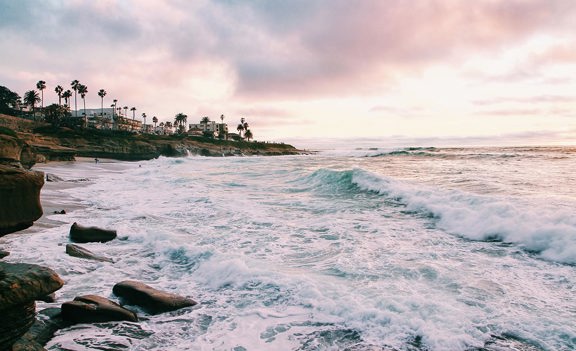
Activity: Route 66 End Sign on Santa Monica Pier
Celebrate your epic journey at the official end of Route 66!
Standing at the sign on the Santa Monica Pier is a defining moment. The bustling Santa Monica Pier hums with energy — street performers, laughter, and the steady crash of waves. What began near Lake Michigan now ends at the Pacific Ocean, completing a journey across landscapes, cultures, and time.
Dinner: The Albright
Seafood and California cuisine right on the pier — perfect for your final night!
Dining on the pier feels celebratory, offering front-row views of the ocean and the lively street promenade below. It’s a moment to slow down, reflect, and toast to the miles traveled.
Activity: Santa Monica Beach
Relax on the sand and dip your toes in the Pacific to celebrate your adventure!
With the sand beneath your feet and the ocean stretching westward, the journey reaches its natural conclusion. Route 66 may officially end here, but the memories, stories, and sense of freedom linger long after the road disappears behind you.
This final day isn’t just an ending — it’s a reminder of why Route 66 remains one of the most iconic road trips in the world. From the Windy City to the California coast, you’ve followed America’s Main Street across the country, experiencing its past, present, and enduring spirit one mile at a time.
Ready to Make Plans?
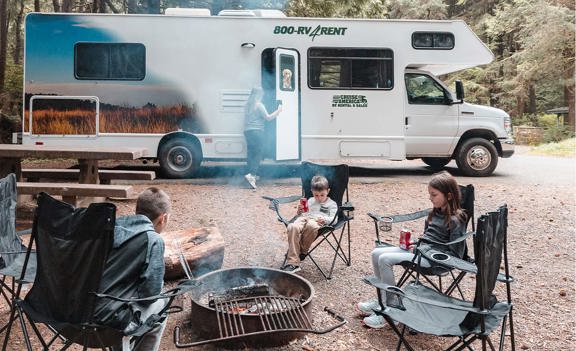
Route 66 isn't meant to be hurried, but instead, enjoyed under the speed limit. With a Cruise America RV, you can follow the historic route, linger in small towns, and sleep steps from the places you came to see. Start planning your adventure with us!