Why is Route 66 Famous?
- RV Lifestyle
- Road Trip

So, why is Route 66 more recognized than any other American highway?
Route 66 is famous because it was one of the first highways to connect the eastern United States to the West Coast, shaping American travel, migration, and culture for nearly half a century. Known as the Mother Road, it carried families west during the Great Depression, supported military transport during World War II, and later became a symbol of freedom, road trips, and small-town America. More than just a road, Route 66 represents a defining chapter in American history — one where mobility, opportunity, and the open highway changed the nation forever. U.S. Route 66 (US 66) was established on November 11, 1926, as one of the original highways in the United States Numbered Highway System.
The highway spans 2,448 miles from Chicago to Santa Monica on the Pacific Coast. At a time when travel meant navigating rutted country roads, wagon tracks, and loosely connected routes, Route 66 provided a continuous, navigable path through rural areas, deserts, and growing cities. It wasn’t simply a way to get from point A to point B — it became the backbone of westward movement and a catalyst for economic growth in numerous small towns.
What makes Route 66 especially significant is how it functioned. Unlike today’s interstate highway system, Route 66 passed directly through communities rather than around them. Gas stations, diners, motels, and roadside attractions flourished along the route, turning it into the “Main Street of America.” For decades, travelers experienced the country at ground level — stopping to eat, sleep, refuel, and connect with local culture along the way.
Over time, Route 66 became embedded in American culture through music, literature, television, and film. From John Steinbeck’s writing to Nat King Cole’s hit song, the road evolved from a practical highway into a cultural icon. Even after it was officially decommissioned in 1985, Route 66 never disappeared. Instead, preservation efforts, historic designations, and renewed interest in slow travel and road trips have kept its legacy alive. About 80% of the original Route 66 remains drivable today, and it is designated as "Historic Route 66."
Today, Route 66 remains one of the most famous routes in the world — not because it is fast or direct, but because it tells the story of America itself. From Dust Bowl migrations and wartime logistics to neon-lit roadside architecture and modern-day road trips, Route 66 reflects the country’s changing relationship with travel, freedom, and exploration.
Route 66 was named one of the top places in the world to visit in 2026 by National Geographic.
Historic Route: The Birth of Route 66

To fully understand why Route 66 is famous, it helps to look at how this historic route came to be — and why it mattered so much when it first appeared on the map.
In the 1920s, Congress enacted a comprehensive version of federal highway legislation that led to the creation of the federal highway system and the planning of US highways like Route 66.
Before Route 66 existed, long-distance travel across the United States was fragmented and difficult. Early motorists often followed rutted country roads or loosely marked trails that varied by state and county. There was no unified national highway system, and traveling west meant navigating a confusing patchwork of local roads with inconsistent conditions. What we now think of as a classic road trip was, at the time, a slow and often unpredictable journey.
That changed in 1926, when the federal government introduced a numerical designation system for public highways. An even more comprehensive version of the Federal Highway Act was enacted by Congress in 1925, facilitating the planning and construction of nationwide roads. As part of this effort, Route 66 was officially established as a US highway within the federal highway system, running from Chicago, Illinois, to Santa Monica, California. The route crossed eight states — Illinois, Missouri, Kansas, Oklahoma, Texas, New Mexico, Arizona, and California — creating a continuous path from the industrial Midwest to the West Coast.
Unlike other highways of the era, Route 66 wasn’t designed to be the fastest or most direct route. Instead, it connected existing roads and tributary side roads, linking rural areas and numerous small towns along the way. This careful planning allowed communities that had previously been isolated to gain access to transportation, trade, and tourism. In many places, Route 66 became the first paved road residents had ever seen.
The timing of Route 66’s creation also played a critical role in its legacy. As automobiles became more affordable and widely owned, Americans were eager to explore beyond their hometowns. Route 66 offered a clearly marked, dependable way to head west — whether for work, opportunity, or adventure. Road signs were erected along the entire length of the route, reinforcing its identity and making long-distance travel more accessible than ever before.
The U.S. Highway 66 Association was established to promote the highway and advocate for its paving and development, with John T. Woodruff serving as its first president. The Association was instrumental in advertising and promoting Route 66 through brochures, billboards, and events. Route 66 was promoted as the shortest and best route from Chicago to Los Angeles, attracting travelers and businesses along its path.
John Steinbeck referred to Route 66 as the 'Mother Road' in his novel The Grapes of Wrath, symbolizing escape and hope for displaced families.
In the years that followed, this historic route would become far more than a line on a map. It would evolve into a symbol of mobility, resilience, and possibility — laying the foundation for its enduring place in American history and popular culture.
Mother Road: How Route 66 Fueled Westward Migration

Few highways have earned a nickname as powerful as the Mother Road, and that title says a lot about why Route 66 is so famous.
During the Great Depression and the Dust Bowl of the 1930s, severe drought, shrinking land ownership, and economic collapse devastated farming communities across the Midwest and Great Plains. Shrinking ownership of land and property along Route 66 became a symbol of the economic decline and loss experienced by local communities as families were forced to abandon their homes. Families in states like western Oklahoma, the Texas Panhandle, and parts of Kansas were forced to leave their homes in search of work and stability. Route 66 became the most direct and dependable path heading west, leading migrants toward California’s agricultural valleys and coastal cities.
Unlike earlier routes that followed wagon tracks or loosely connected local roads, Route 66 offered a relatively continuous and clearly marked corridor. Though far from perfect — many stretches were still gravel or poorly maintained — it was a lifeline compared to the twisting winds, desert conditions, and unmarked paths that came before it. Migrants also faced the environmental challenge of the desert's slow northward invasion, as desertification gradually spread into areas along the route, further impacting the landscape and making travel even more difficult. For families traveling with everything they owned packed into cars and trucks, Route 66 represented hope and survival.
Small towns along the route quickly adapted to the steady stream of travelers. Gas stations, motor courts, roadside diners, and repair shops sprang up to serve migrants and job seekers alike. These businesses didn’t just support travelers — they reshaped local economies and turned Route 66 into the Main Street of America, where everyday life unfolded alongside long-distance travel.
Famous Route: Route 66 and America’s Love Affair With the Open Road
As the U.S. economy rebounded after the Great Depression and World War II, Route 66 transformed from a survival corridor into a symbol of freedom, optimism, and adventure. This shift is a major reason why Route 66 is so famous today. What was once a necessity for migration became a celebrated road trip experience — one that captured the imagination of travelers across generations.
By the 1940s and 1950s, car ownership expanded rapidly, gas stations became more reliable, and families had more disposable income and leisure time. Route 66 connected numerous small towns to major cities like Chicago, Oklahoma City, Flagstaff, and Los Angeles, making it the perfect scenic route for everyday Americans eager to explore the country.
What truly set Route 66 apart was how deeply it embedded itself into American culture and daily life.
Why Route 66 captured America’s imagination:
-
The ultimate road trip highway: Route 66 offered a continuous, clearly signed path from the Midwest to the West Coast, making long-distance travel feel achievable for average families.
-
Diverse landscapes along one route: Travelers passed through prairies, deserts, mountains, and coastal terrain — all along a single historic route spanning eight states.
-
Main Street access through rural America: Unlike modern interstates, Route 66 ran directly through town centers, turning local streets into bustling hubs of commerce and culture.
-
Rise of roadside businesses: Independent motels, diners, gas stations, and repair shops flourished, creating the iconic roadside architecture still associated with the route today.
-
Golden age of automobile tourism: Route 66 fueled the "golden age" of automobile tourism, leading to the rise of family road trips and fast-food chains like McDonald's.
-
Unique roadside landmarks: The highway is famous for its neon-lit diners, classic motels, and quirky attractions that define "classic America" for travelers from around the world.
-
Immortalized in music and media: Songs like “(Get Your Kicks on) Route 66,” famously performed by Nat King Cole, helped cement the highway’s place in popular culture and introduced it to audiences worldwide. The television series 'Route 66' (1960–1964) also played a major role in shaping the nostalgic image of the highway. Starring George Maharis, the show followed two young men as they traveled the route, and its popularity further contributed to Route 66's fame in American pop culture.
As Americans fell in love with the idea of spontaneous travel and open highways, Route 66 became more than infrastructure — it became a feeling. The promise of discovery, independence, and possibility along the open road turned this famous route into a lasting symbol of American freedom and adventure.
Main Street of America: How Route 66 Built Small-Town Economies

One of the most enduring reasons why Route 66 is famous is its role as the original Main Street of America. Unlike today’s interstate highways that bypass communities entirely, Route 66 ran directly through the hearts of numerous small towns, turning local streets into vital arteries of commerce, culture, and connection.
For towns across the Midwest, Southwest, and West Coast, Route 66 wasn’t just a road — it was the economic lifeline. From western Oklahoma and the Texas Panhandle to New Mexico and southern California, businesses sprang up to serve travelers heading west, especially during the Dust Bowl and later during postwar prosperity.
These towns adapted quickly to the needs of motorists, creating an ecosystem that defined American roadside travel for decades.
How Route 66 functioned as “Main Street”:
-
Motels and motor courts: Family-owned lodging provided affordable overnight stays, often with neon signs designed to grab attention from the road.
-
Diners and cafés: Roadside restaurants offered regional flavors, quick meals, and a welcoming stop for weary travelers on long drives.
-
Gas stations and service garages: As automobiles became central to American life, petroleum companies and independent mechanics ensured travelers could keep moving.
-
Local shops and attractions: Souvenir stores, trading posts, and quirky roadside stops turned small towns into memorable destinations rather than pass-through points.
-
Community identity and pride: Being “on Route 66” became a badge of honor, shaping town identities and local economies for generations.
The decline of Route 66 began with the construction of the Interstate Highway System, which was built close to existing US Highways but rarely on them. As travelers shifted to the new interstates, which often bypassed these towns, many businesses along Route 66 closed, and small towns faced significant economic challenges due to the loss of tourism and commerce. The reduction in travelers using Route 66 had a lasting impact on local economies.
Because Route 66 followed existing wagon tracks and earlier public highways, including the original highways established in the 1920s as part of the early U.S. Highway System, it naturally aligned with towns that already existed, reinforcing their importance rather than replacing them. This direct connection between road and community is why Route 66 still feels personal, nostalgic, and human — even decades after its official decommissioning.
Today, many of these towns continue to preserve their Route 66 heritage, restoring neon signs, classic diners, and historic buildings to keep the spirit of American history alive for modern road trippers. Preservation groups have worked to save, and landmark old motels and neon signs along Route 66, and portions of the route have been designated a National Scenic Byway by the name Historic Route 66. Additionally, numerous sites and buildings along Route 66 have been listed on the National Register of Historic Places, highlighting their cultural and historical significance.
The Role of the National Park Service in Preserving Route 66

The National Park Service plays a key role in protecting Route 66 through its Route 66 Corridor Preservation Program. This initiative supports:
-
Restoration of historic buildings
-
Preservation grants for small towns
-
Educational exhibits and signage
-
Documentation of Route 66’s cultural significance
The National Park Service also developed the Route 66 Discover Our Shared Heritage Travel Itinerary, which describes over one hundred individual historic sites along the route. In 2008, the World Monuments Fund added US 66 to the World Monuments Watch to address threats of development and decay to sites along the route. In 1999, President Bill Clinton signed a National Route 66 Preservation Bill, providing $10 million in matching fund grants for preserving and restoring the historic features along US 66.
This effort ensures that Route 66 remains more than a memory — it remains a living, drivable piece of American history.
Route 66 Through the American Landscape
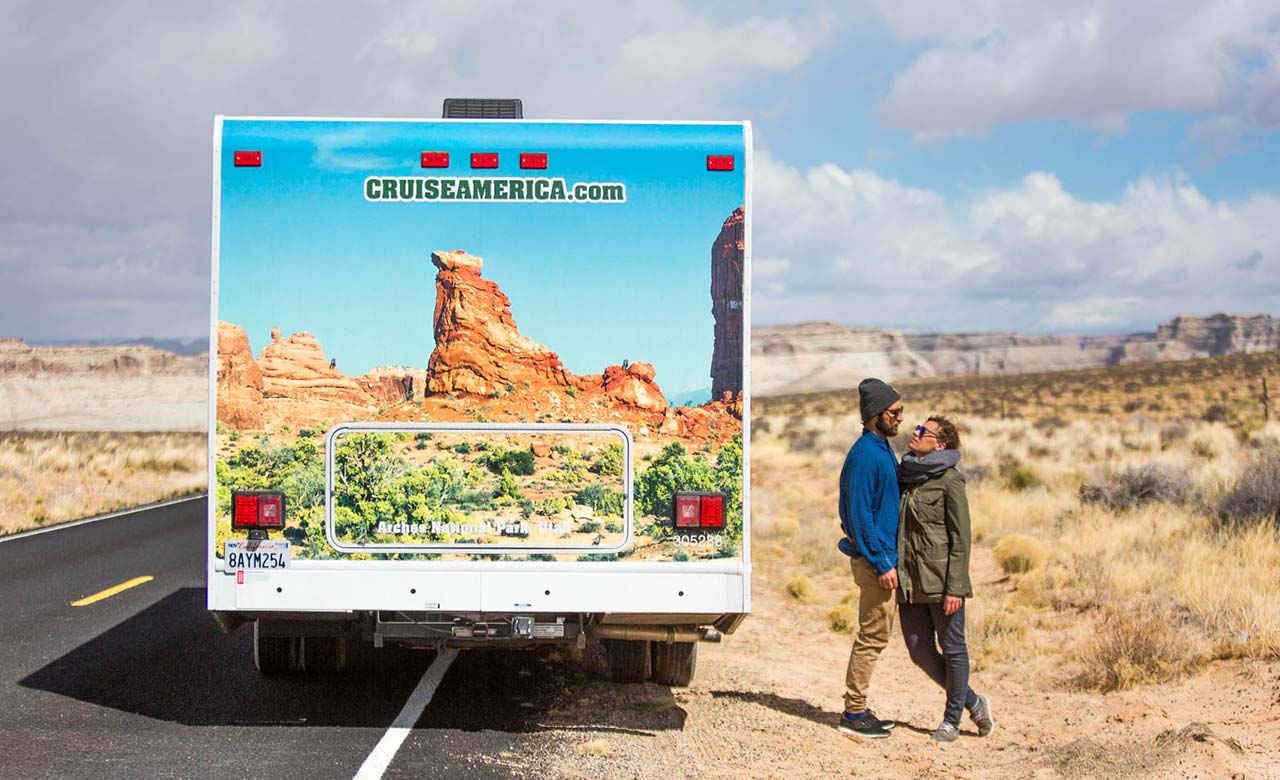
One of the most compelling reasons Route 66 continues to captivate travelers is the variety of landscapes it crosses.
Along the route, you’ll experience:
-
Midwestern farmland
-
Southwestern deserts
-
Red rock mesas
-
Mountain passes
-
Coastal California scenery
Few road trips offer such dramatic geographic diversity in a single journey.
Events and Festivals Along Route 66
Throughout the year, the famous route comes alive with a variety of events and festivals that draw visitors from across the country and around the world.
One of the most iconic events is the Route 66 Fun Run, a three-day journey along the scenic route from Seligman to Topock, Arizona. Participants cruise the old route in classic cars, motorcycles, and even RVs, soaking in the nostalgia and camaraderie that define the Will Rogers Highway. The event is a rolling tribute to the days when the highway system connected small towns and big dreams, and the open road was a gateway to the American West.
Another highlight is the Route 66 Festival in Springfield, Missouri—the birthplace of the route’s numerical designation. This annual celebration features live music, food vendors, and a dazzling car show filled with vintage vehicles that once traveled the Rogers Highway. The festival brings together enthusiasts of all ages to share stories, admire classic cars, and enjoy the vibrant atmosphere of this historic route.
In New Mexico, the Mother Road Marathon offers runners a unique chance to race along stretches of the old Route 66, passing through communities that have preserved the spirit of the federal highway. The marathon’s scenic route showcases the diverse landscapes and cultural history that make Route 66 a legendary part of the national highway system.
These events and festivals do more than just celebrate the past—they help sustain the local economies of towns along the route and keep the legacy of Route 66 alive for new generations. Whether you’re a history buff, a car enthusiast, or simply a lover of the open road, the Mother Road’s calendar of events offers countless ways to experience the enduring magic of America’s most famous route.
Why Route 66 Still Captures the American Spirit
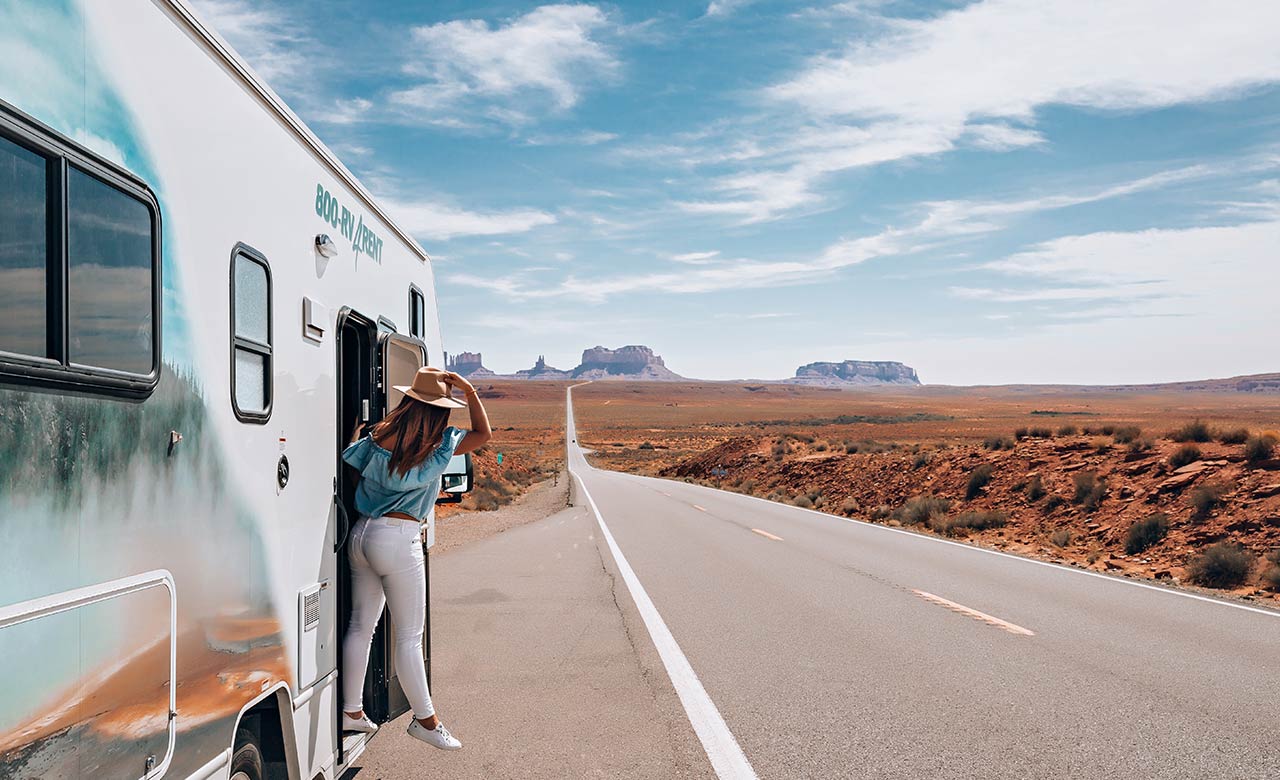
Route 66 remains famous because it reflects something deeply rooted in American identity:
-
Independence
-
Curiosity
-
Mobility
-
Reinvention
It tells stories of people on the move — whether chasing opportunity, escaping hardship, or simply exploring what lies beyond the horizon.
Tips for Planning a Route 66 RV Trip
For travelers considering Route 66 today, a few practical tips can make the journey smoother:
-
Plan flexible stops — many highlights aren’t marked on maps
-
Allow extra time — Route 66 is about discovery, not speed
-
Research seasonal weather — desert heat and mountain snow can impact travel
-
Choose an RV that fits your pace — comfort matters on a long route
Route 66 rewards curiosity. The more time you give it, the richer the experience becomes.
Experience Route 66 the Way It Was Meant to Be Traveled
Route 66 has always been about freedom — the freedom to stop when something catches your eye, to linger in small towns, and to make the journey just as meaningful as the destination.
That’s exactly why exploring Route 66 by RV makes so much sense.
With Cruise America, you can travel Historic Route 66 at your own pace, with the comfort and flexibility to turn iconic roadside stops into overnight stays. Whether you’re following the route for a few days or tackling a longer stretch of the Mother Road, an RV gives you the space, convenience, and freedom that Route 66 was built for.
Instead of rushing past history on the interstate, you can:
-
Wake up closer to Route 66 landmarks
-
Stop spontaneously at classic diners, museums, and roadside attractions
-
Stay near national parks, historic towns, and scenic overlooks
-
Travel comfortably with everything you need along the way
Cruise America’s nationwide locations make it easy to pick up an RV near your starting point and begin your Route 66 adventure with confidence.
When you’re ready to see why Route 66 is still famous today, start planning your road trip with Cruise America — and experience America’s most iconic highway the way it was meant to be explored.